
Cost & Insurance
What Drives Mold Remediation Costs Up (or Down) in an Orange County Home
Cost tracks the size of the containment and how much material comes out — not how alarming the mold looks. Here are the seven variables and the policy cap to check.
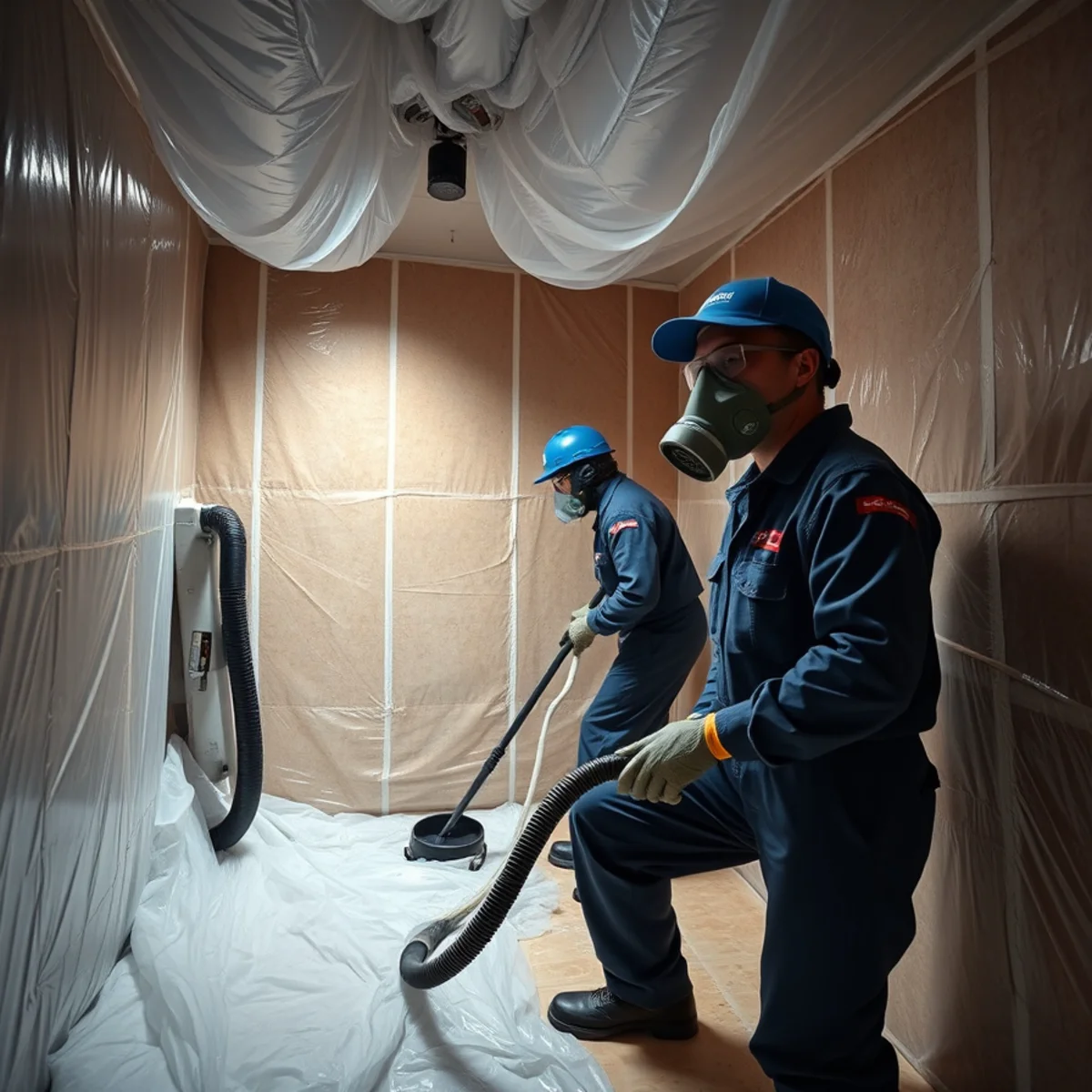
The short answer
A small contained area runs roughly $500 to $1,500. A single room with containment, air filtration and material removal runs $2,000 to $6,000. Multi-room work runs $6,000 to $20,000 or more. Most California policies cap mold at a sub-limit of $5,000 to $10,000 even when the underlying water loss is fully covered.
Mold pricing confuses people because the quotes vary so widely for what looks like the same problem. The reason is that cost tracks containment size and material removal, not the species on the wall or how bad the photograph looks.
Understanding the variables lets you read two very different quotes and work out whether one is cheaper or just smaller.
Dealing with this right now?
Crews dispatched within 60 minutes — on-site in 60–90 minutes, anywhere in Fullerton. Call and we will talk you through the first two minutes while a crew is dispatched.
- 60-minute dispatch, anywhere in Fullerton
- IICRC-aligned · licensed & insured
- Direct insurance documentation
The Ranges
Typical industry ranges for residential remediation, as a guide to scale rather than a quote:
- Small contained area — one bathroom wall, under a sink, a single closet: roughly $500–$1,500.
- Single room with containment, air filtration and material removal: roughly $2,000–$6,000.
- Multi-room or whole-floor: $6,000–$20,000+.
- Crawl space or sub-area remediation: $5,000–$15,000+, driven heavily by access clearance.
- HVAC and duct decontamination: a separate scope on top, because the system distributes spores through the whole house.
- Independent clearance testing: a separate third-party cost, and worth paying on anything sizeable.
The Seven Variables
In rough order of impact on the invoice:
1. Affected square footage
Not the visible growth — the area that has to be contained and worked in. Visible mold is usually the smallest part of the footprint.
2. Location and access
A wall in a bedroom is straightforward. A crawl space with eighteen inches of clearance, or an attic in August, is slow work — and slow is expensive.
3. Materials involved
Drywall, insulation, carpet and ceiling tile are removed and replaced. Framing, concrete and tile are cleaned in place. A job that is mostly framing costs far less than one that is mostly drywall.
4. Containment and equipment days
Barriers, negative air machines and HEPA scrubbers are billed per unit per day. A longer job is a more expensive job at a fixed daily rate.
5. Whether the moisture source is fixed
Remediation without correcting the water source is money spent twice. A slab leak repair, a roof repair or a drainage correction is a separate scope — and it is not optional.
6. Clearance testing
Third-party post-remediation verification. We recommend it on anything beyond a small area and we do not test our own work, because that is a conflict of interest.
7. Reconstruction
Putting back insulation, drywall, texture, paint and flooring. On a large job this is frequently the bigger half.
What Makes Orange County Jobs Different
The climate helps in summer and hurts in specific situations.
Dry summer air makes drying easier than in a humid climate, which means fewer post-water-loss mold jobs overall than a Gulf Coast city would see.
Where it bites is crawl spaces and coastal humidity. Vented sub-areas under the older raised-foundation homes in Downtown Fullerton, Lemon Park and North Fullerton pull humid air in, condense it on cool surfaces, and grow mold on the underside of the subfloor with no leak involved at all. Toward the coast — Seal Beach, Huntington Beach — the marine layer keeps ambient humidity high and slows drying, which raises risk after any loss.
The other local driver is hidden slab leaks. A pinhole weeping under a slab in a Sunny Hills or Parks tract home feeds moisture into a bottom plate for months. By the time anything is visible, the cavity has been colonised, and that is a remediation job rather than a drying job.
The Insurance Sub-Limit To Check Today
Most California homeowners policies cap mold coverage at a sub-limit — commonly $5,000 to $10,000 — even when the underlying water loss is fully covered.
That cap applies to mold resulting from a covered sudden event, reported promptly. Mold from humidity, a long-running leak or deferred maintenance is typically excluded outright, with no cap because there is no coverage.
Two practical consequences. First, look up your sub-limit now rather than during a claim; increasing it is usually inexpensive. Second, the single biggest factor in whether mold is covered at all is how quickly the original water loss was reported — a same-day report is very hard to characterise as gradual.
Where People Waste Money
Testing before remediation when the mold is visible and the source is known. At that point testing largely confirms what you can already see. Testing earns its cost in two situations: a musty smell with no visible growth, and independent clearance after the work.
Paying for a scary species identification. Stachybotrys is real, but the remediation procedure — contain, filter, remove, clean, dry, fix the source — is essentially the same regardless of species. Be cautious of any company leading with a species name before they have found the water.
Surface treatment without removal. Spraying a biocide on colonised drywall kills surface growth and leaves the material and the allergens in place. Dead mold still triggers allergic response.
And bleach on porous materials. Bleach is mostly water; on drywall or wood the water soaks in and feeds the colony while the chlorine stays on the surface.
Reading a Remediation Estimate Without Being an Expert
Two estimates for the same job can differ by a factor of three, and the higher one is not automatically padded. The difference is almost always scope, and scope is readable if you know the four or five line items that matter.
Ask for a written protocol before the price. A company that cannot describe containment, negative air and clearance in writing is quoting a cleaning job, not remediation.
- Containment: is a sealed barrier with a zipper entry actually listed? Without it, spores move through the rest of the house during demolition.
- Negative air: HEPA-filtered negative air machines with exterior exhaust, listed with a count and a number of days. This is what keeps containment working.
- Demolition scope in square feet, and how far past the visible growth it extends. A protocol that stops at the visible edge is under-scoped.
- Whether an independent third party is doing the clearance testing. The remediator testing its own work is a conflict of interest, and most insurers prefer independent clearance.
- HVAC treatment, if the system ran while growth was active. This is frequently omitted and frequently necessary.
- Whether reconstruction is included or quoted separately. Comparing a remediation-only price against a remediation-plus-rebuild price is where most confusion comes from.
All 7 steps, in pictures
Each image matches the numbered item above it in the same order.
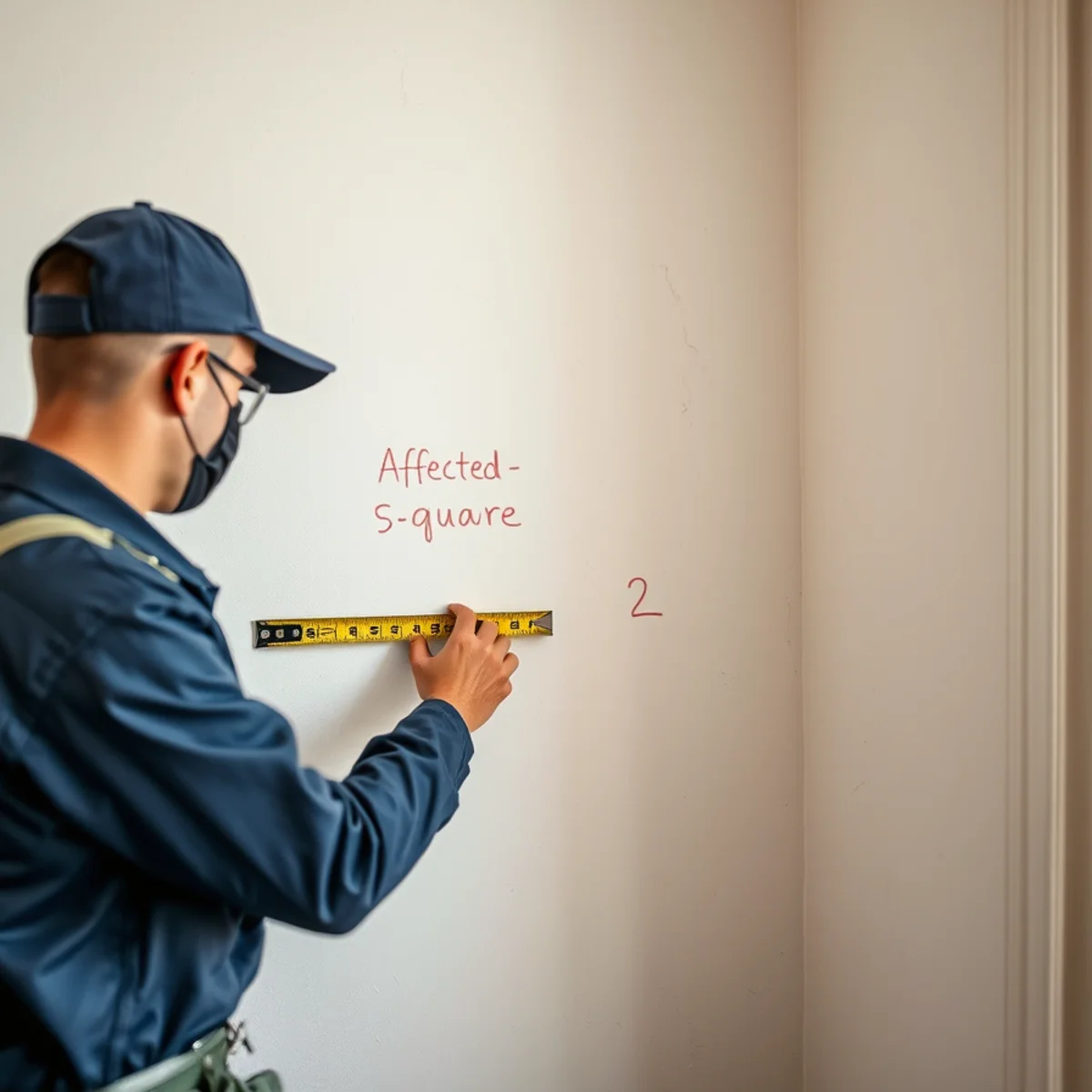
Sizing the contained work area for mold remediation
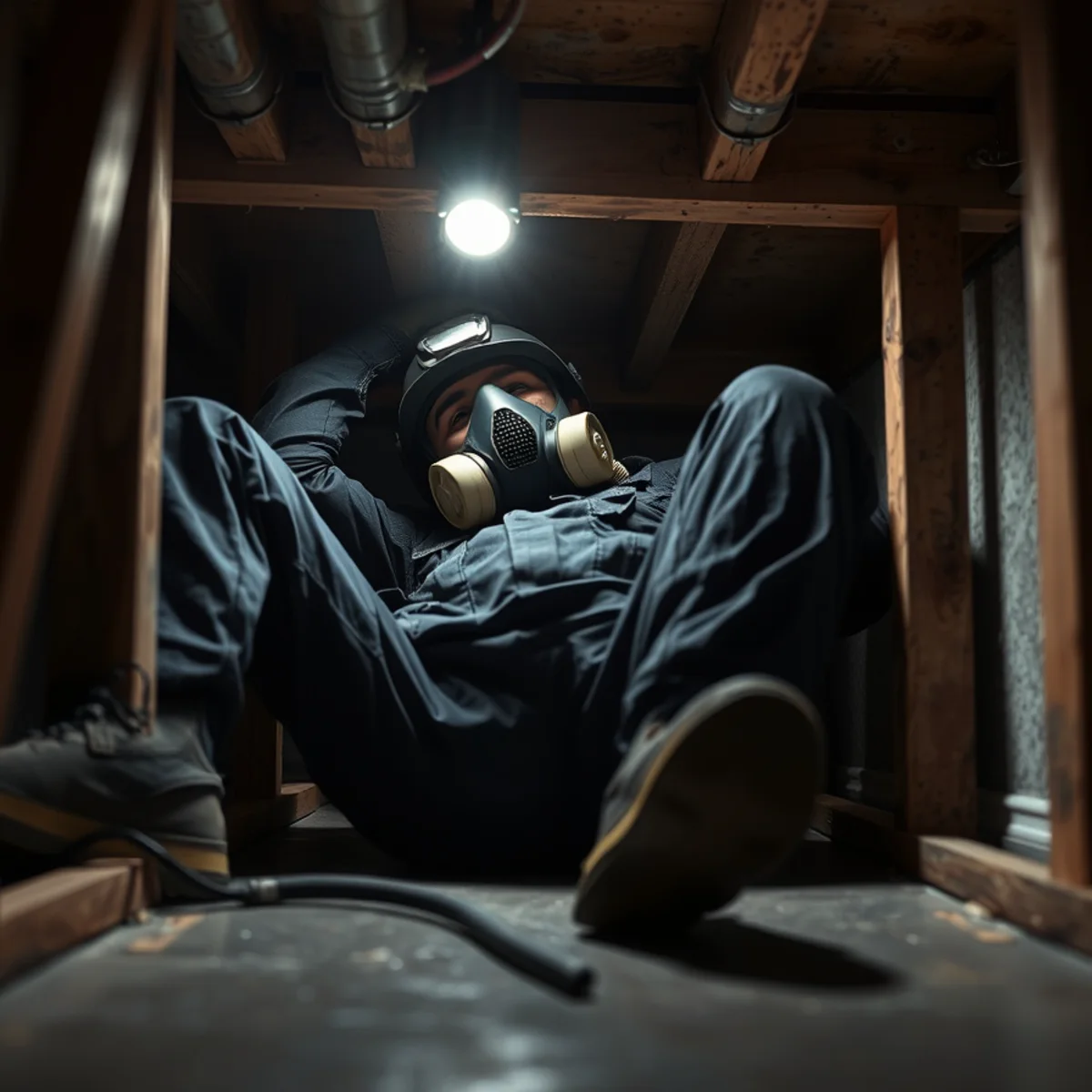
Tight crawl space access raising mold remediation labour cost

Removing colonised drywall and insulation during mold remediation
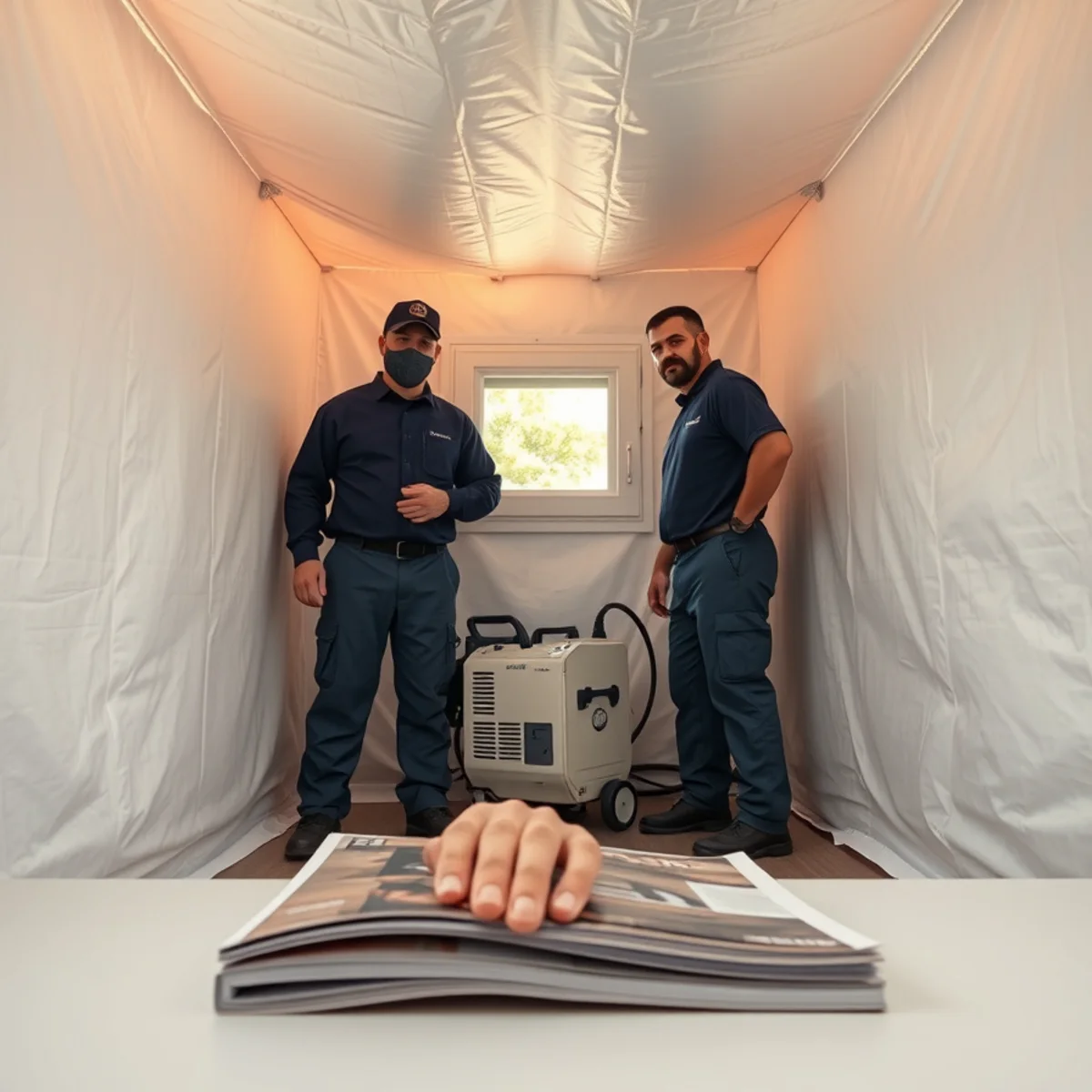
Containment barriers and air scrubbers billed per day during remediation
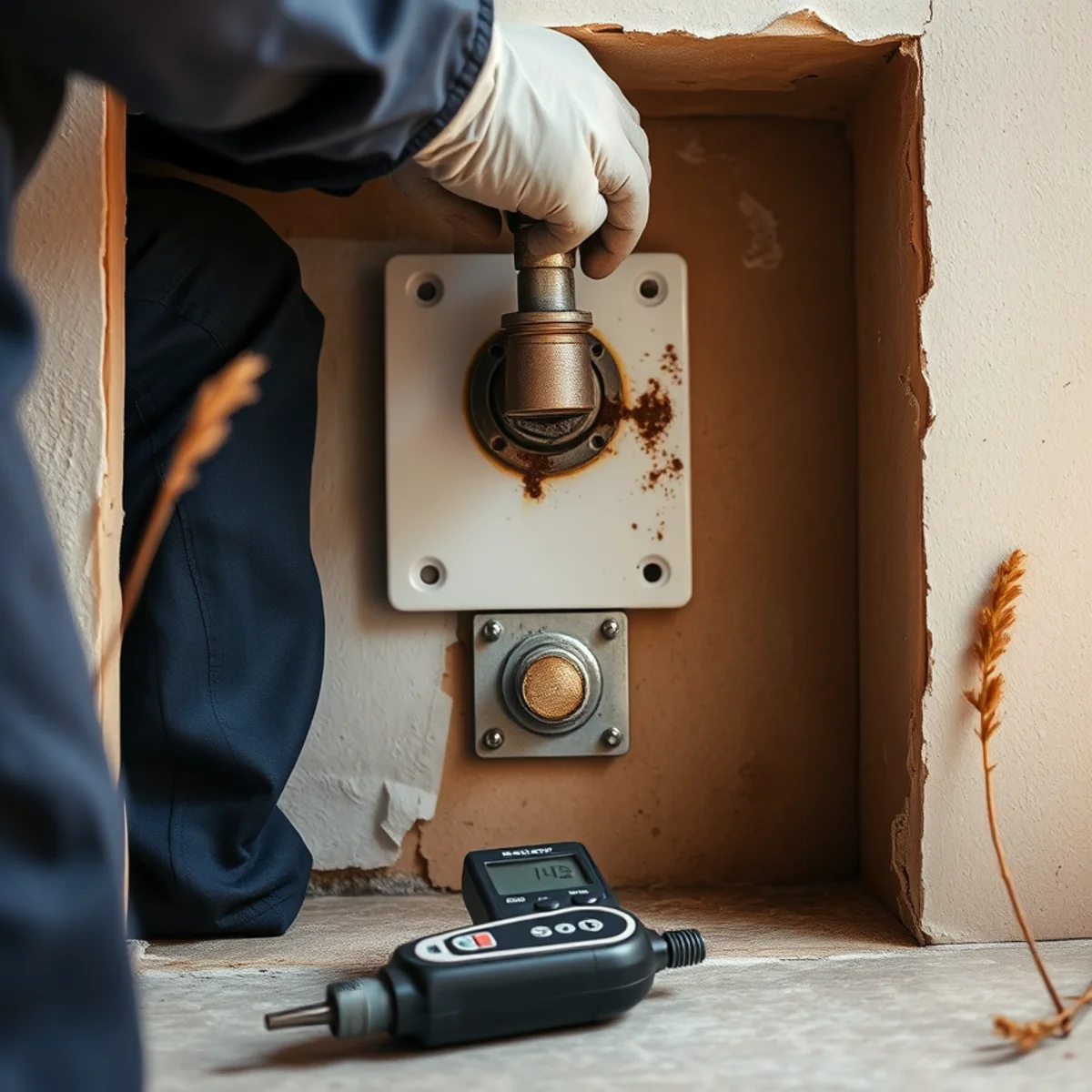
Repairing the moisture source that caused mold growth
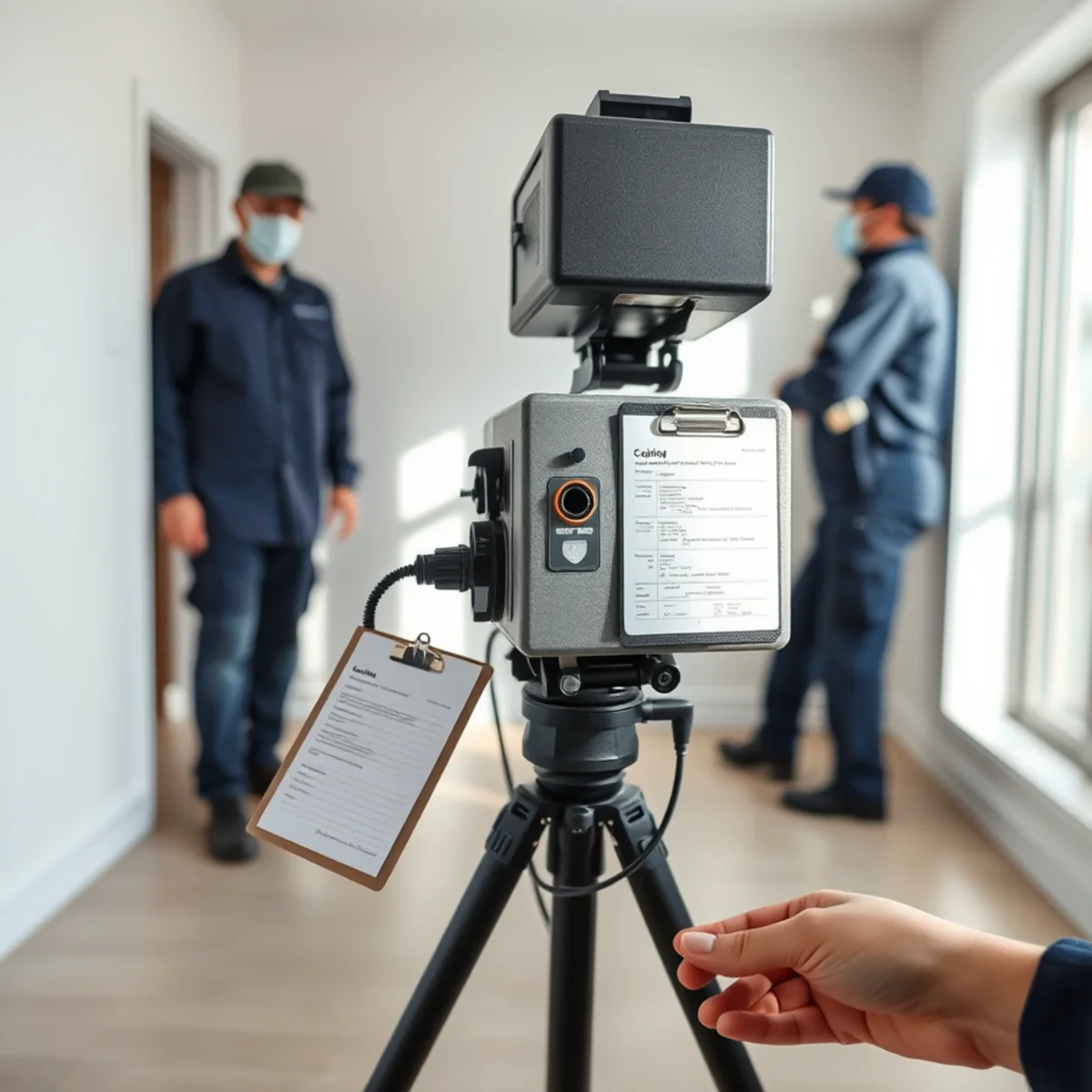
Independent clearance air sampling after mold remediation
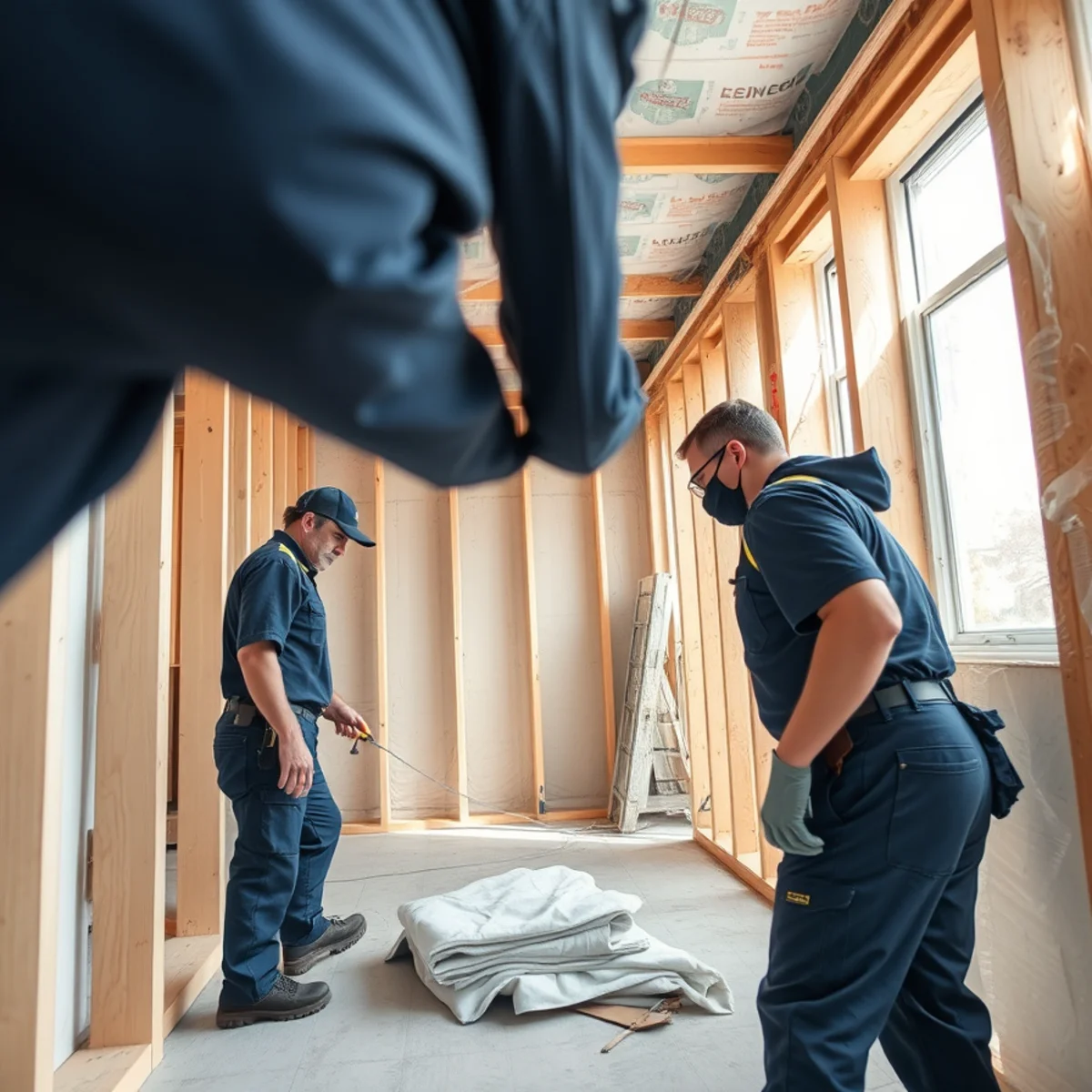
Rebuilding walls and finishes after mold remediation
Frequently asked
Mold resulting from a covered sudden water loss, reported promptly, is often covered — but most California policies cap it at a sub-limit of $5,000 to $10,000. Mold from humidity, gradual leaks or deferred maintenance is generally excluded outright. Check your sub-limit now; raising it is usually inexpensive.
It is a separate line item and a modest one against the remediation itself, usually quoted per sample plus a lab fee. Pre-testing is worth paying for when there is a musty smell with no visible source, because it tells the remediator where to scope. Post-remediation clearance testing is worth paying for always — and it should be done by an independent third party rather than by the company that did the work.
Access. Working on your back in eighteen inches of clearance is slow, hauling material out through a small hatch is slow, and everything takes longer than it would in a room. The materials cost is modest; the labour hours are not.
The bottom line
Read a mold quote by looking at the containment area, the material removal list and the drying days — not the total.
And check your policy's mold sub-limit this week. It takes five minutes and it is the number that will matter.