How Much Does Water Damage Restoration Cost in Fullerton? (2026 Price Guide)
Honest ranges, the seven variables that actually move the number, and why an on-site moisture reading is the difference between an estimate and a guess.
Read the guide24/7 emergency line — crews dispatched within 60 minutes
1500 S Raymond Ave, Fullerton, CA 92831

Fullerton, CA
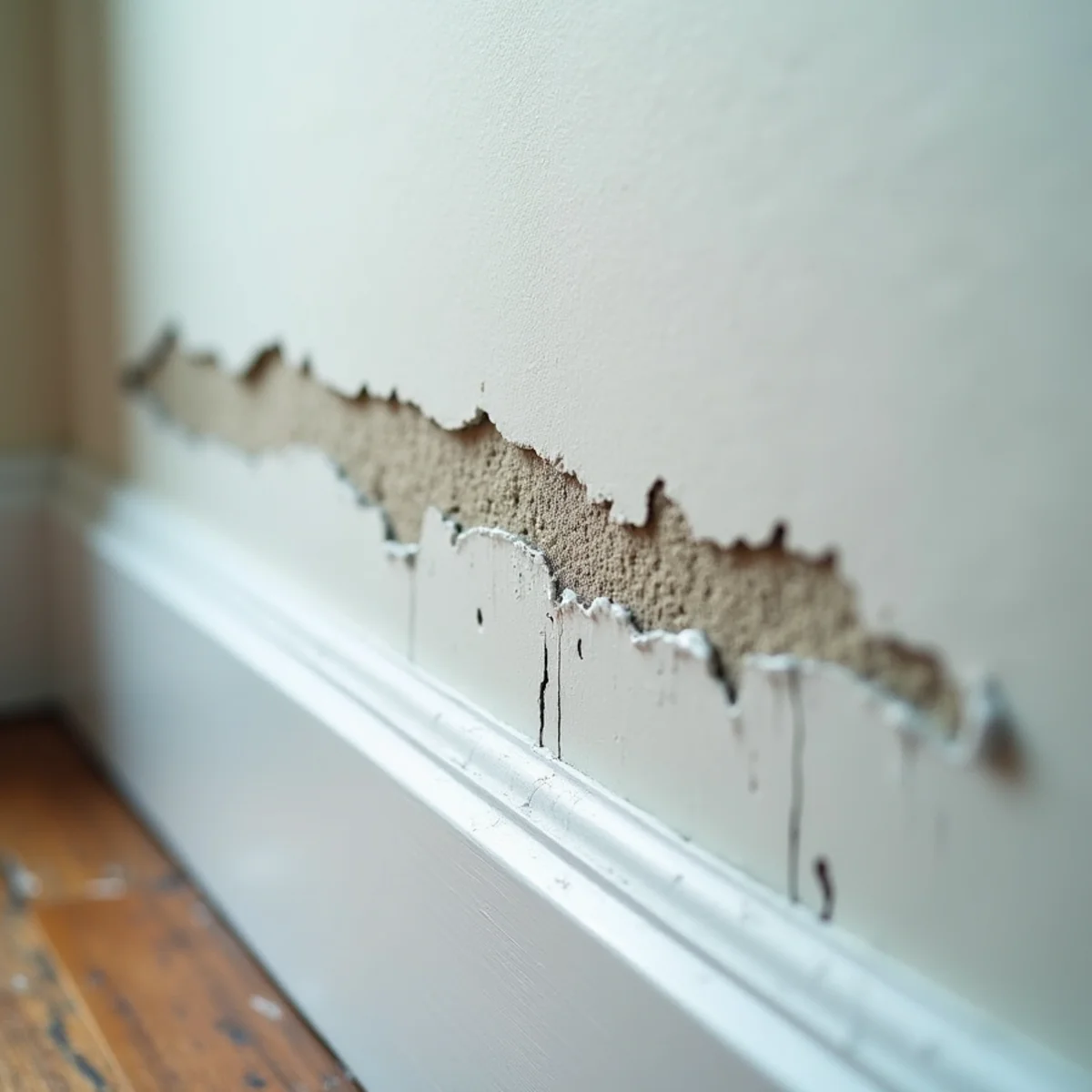
Water is moving through your house right now. It is going under the baseboards, into the subfloor, and up the back of the drywall where you cannot see it. That is the part that costs money.
Call us and we start the clock on the other side. Our crews dispatch within 60 minutes and are on-site in 60 to 90 minutes anywhere in Fullerton — from the 1920s bungalows off Harbor Boulevard to the hillside homes above Bastanchury Road. We extract, we dry to a documented standard, and we hand your insurance adjuster a file they cannot argue with.
We are a Fullerton company. Our trucks stage on S Raymond Ave, not in a regional hub two counties away, and the person who answers your call is the person who dispatches the crew.
Crews dispatched within 60 minutes — on-site in 60–90 minutes
+1 (201) 277-9344Standing water is obvious. These are the signals homeowners miss until the drywall is already gone:

Not a call-out fee and a fan. This is the complete scope you get on a residential or commercial water loss in Fullerton, and every item is documented as it happens:
The first hour decides whether this is a cleanup or a reconstruction. Work in this order.
Shut the main valve. In most Fullerton homes it is at the front of the house near the meter box at the curb, in the garage, or on the exterior wall closest to the street. If the source is one fixture — a toilet, a water heater, a washing machine — close its individual angle stop instead.
If water has reached outlets, appliances or the panel, shut the breakers off. Only do this if you can reach the panel without standing in water. If you cannot, leave the house and tell us when you call.
A real person answers, asks where the water came from and how far it has spread, and dispatches a crew. No phone tree, no national call centre.
Wide shots of each room, close-ups of the source, and the water line on the wall. Those wall lines prove saturation height, and adjusters use them to set the scope. Do this before any cleanup.
Get electronics, documents and photo albums somewhere dry. Put foil or wood blocks under furniture legs so finish does not bleed into wet carpet. Do not start pulling up flooring.
After enough jobs in one city you stop seeing random accidents and start seeing patterns. Fullerton has four.
The first is age. Downtown, Lemon Park and the streets around the Fullerton Heritage district are full of 1920s to 1940s houses still running original or first-replacement galvanized supply lines. Galvanized corrodes from the inside out. It does not warn you — it weeps, then it splits.
The second is slab-on-grade construction. The 1950s through 1970s tracts across Sunny Hills, Valencia, Commonwealth and West Fullerton were poured directly on expansive clay. Clay swells and shrinks with every wet and dry season, the slab moves, and copper lines cast into that slab abrade and fail. Add Orange County's hard water — 14 to 25 grains per gallon — and you get pinhole leaks in copper that was fine for forty years.
The third is water outside the building. Fullerton averages roughly 14 inches of rain a year, nearly all of it between November and March, and it arrives in a handful of hard storms rather than steady drizzle. Coyote Creek follows the county line along the north and west of the city, and Brea Creek drains through it. Properties near the creek corridor and in the low flats south of Commonwealth take on water when a storm outruns the drainage.
The fourth is the city's own infrastructure. Fullerton maintains roughly 420 miles of water main and estimates about half of it is more than fifty years old. Main breaks happen, and when one lets go on a residential street the water goes wherever the grade takes it.

Every job runs the same sequence. We do not skip steps to close a ticket faster, because the step people skip is the drying verification, and that is the one that turns into a mold claim in six weeks.
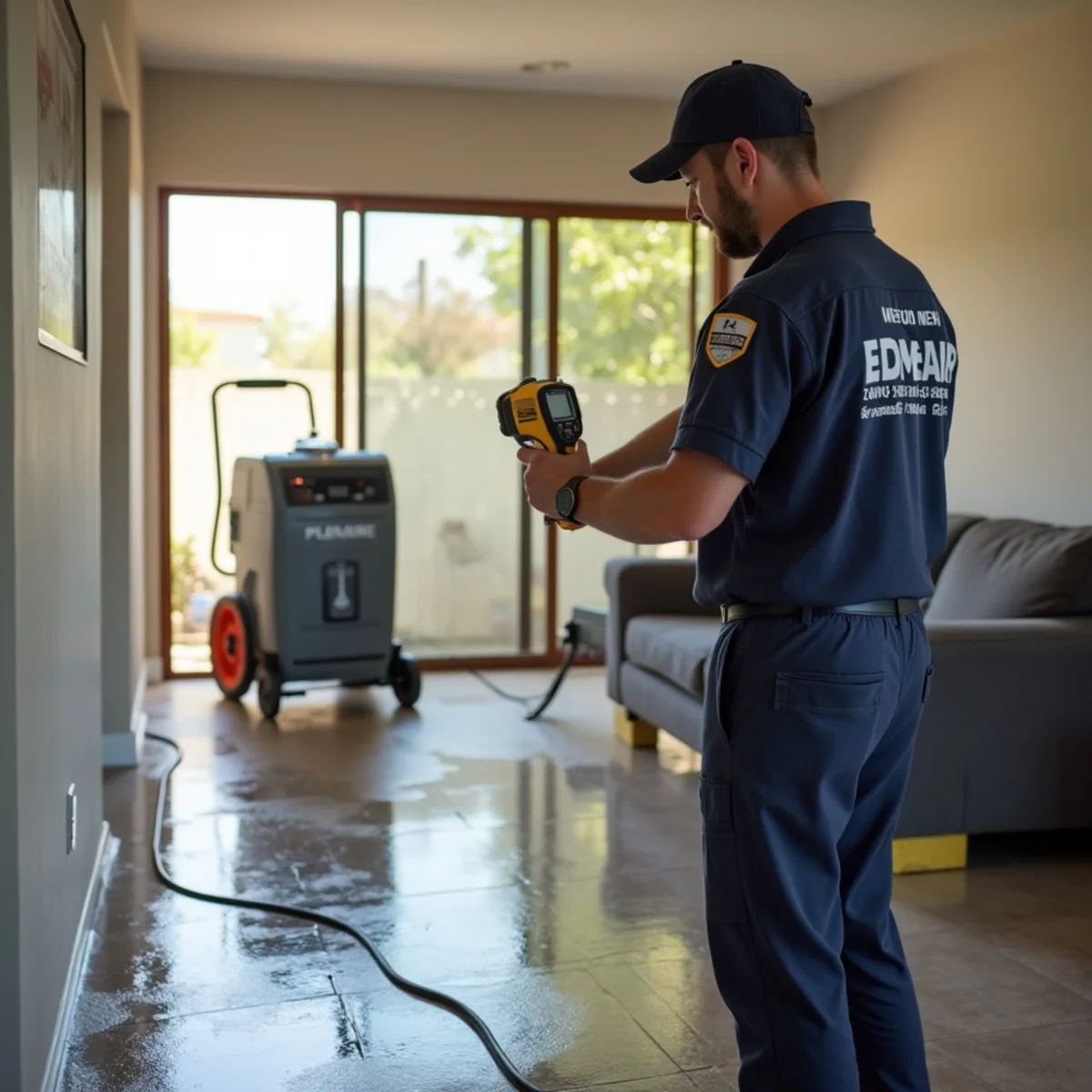
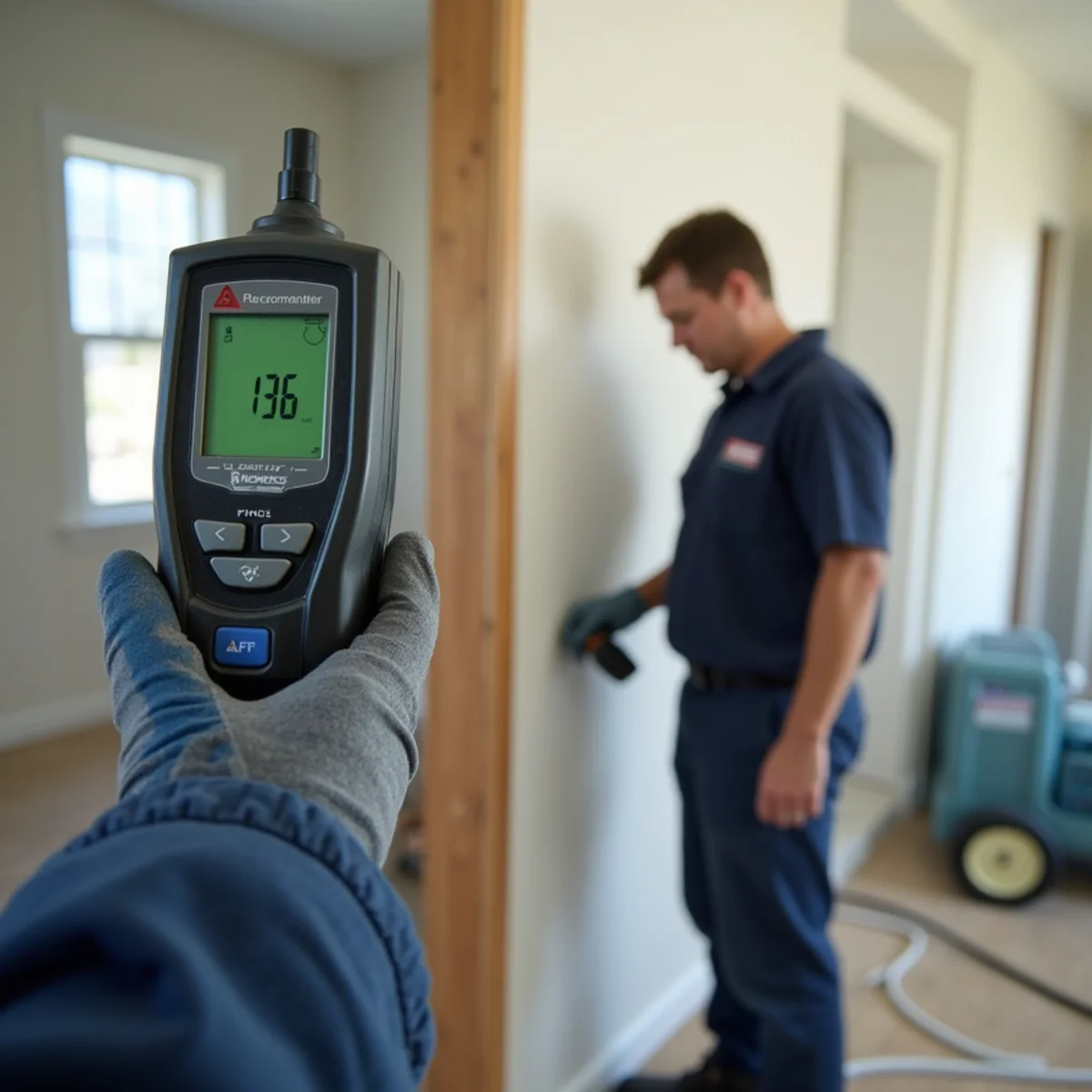
Before a single piece of equipment comes off the truck we read the building. Thermal imaging finds temperature differentials behind drywall; pin and pinless meters confirm actual moisture content in wood, drywall and subfloor. We map every affected material and record baseline readings. That map becomes your written scope of work.
We classify the water — Category 1 clean supply, Category 2 grey, Category 3 black — because the category dictates what can be dried and what must be removed. Category 3 gets containment barriers and negative air before anything else happens.
Truck-mounted and portable extractors pull free water first. On carpet we use weighted extraction heads that press water out of the pad rather than skating over it. Getting bulk water out early is the single biggest lever on total drying time.
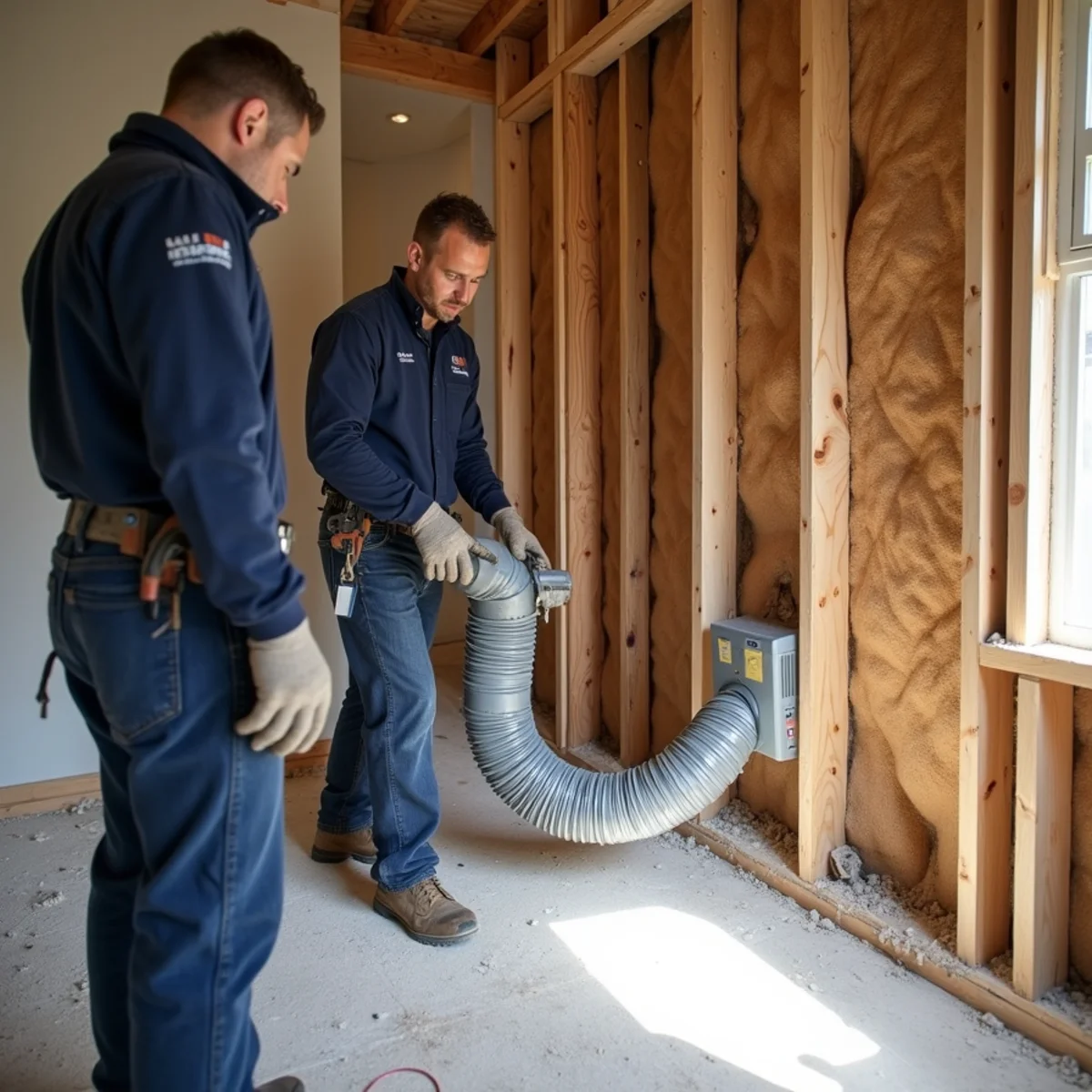
Wet insulation never dries in place and comes out. Drywall gets a flood cut above the water line where the cavity is saturated. Where a material can be dried in place, we dry it in place — a smaller invoice and a shorter job are better for both of us.
Air movers create the surface evaporation, dehumidifiers remove that vapour from the air, and the two have to be balanced or you just move moisture around. We set equipment to the affected volume and the class of loss, then log temperature, relative humidity and material moisture daily.
Materials are dry when they read at or below the dry standard from an unaffected area of the same house — not when the surface feels dry. Then we apply antimicrobial where warranted and run HEPA air scrubbers to clear particulate.
Drywall, texture, paint, baseboard, flooring, cabinetry. Same company, same file, so nothing gets lost in a handoff between a mitigation crew and a rebuild contractor.
Most Fullerton water losses are covered. The ones that get denied usually fail on documentation or on cause, not on policy language.
Sudden and accidental damage — a burst supply line, a failed water heater, a dishwasher hose that lets go — is what a standard California homeowners policy is built to cover. Gradual damage from a leak that ran for months is generally excluded as maintenance. Water that enters from outside, including storm runoff and creek overflow, is a flood loss and needs separate NFIP or private flood coverage.
Water damage is not a rare claim. Water and freezing account for roughly a quarter of home insurance claims nationally, about 1 in 60 insured homes files one in a given year, and the average payout runs near $13,954. Your adjuster has seen a thousand of these. What moves your file is evidence.

Flood cut in drywall with wall cavity drying in a Fullerton home

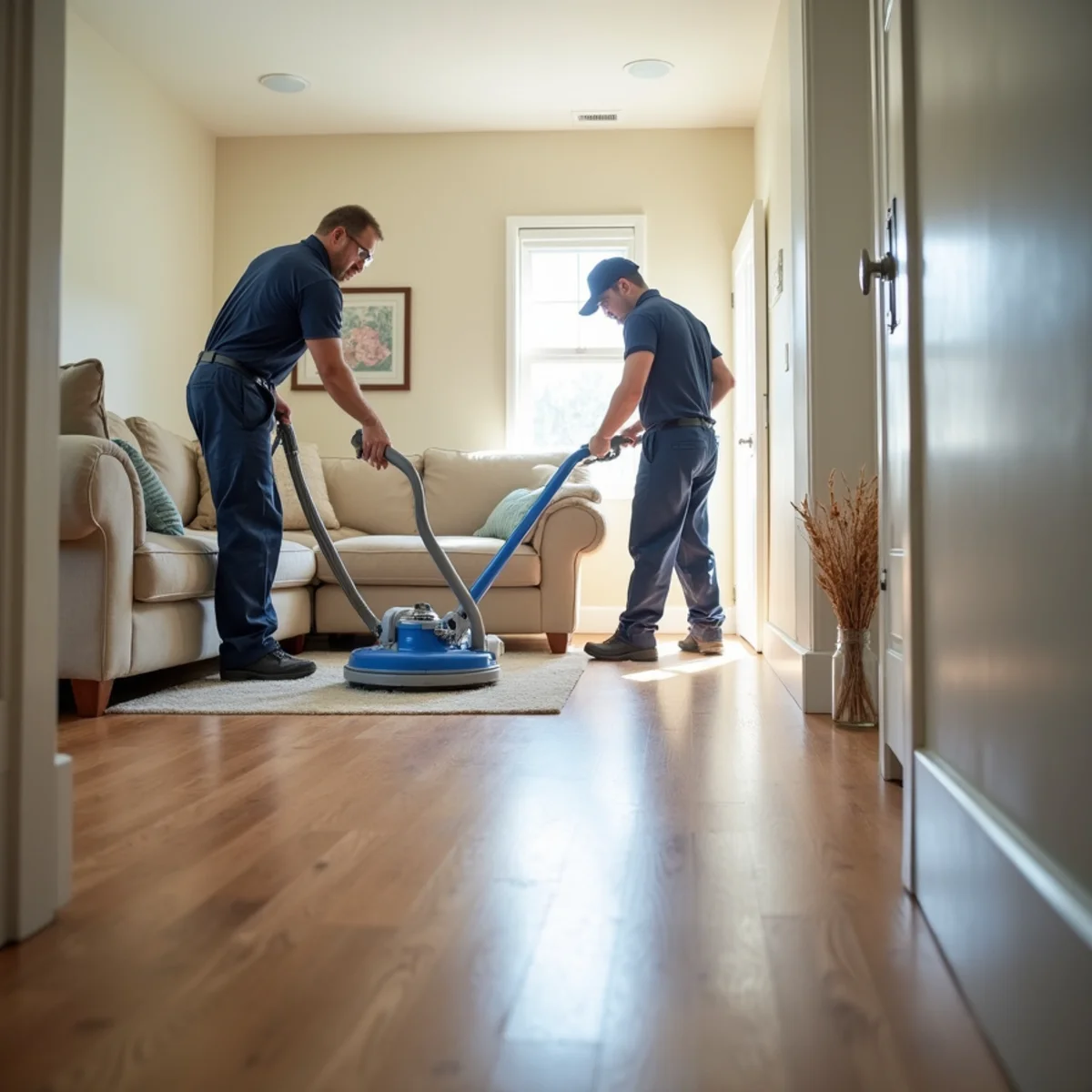
Fullerton living room fully restored after water damage repairs

Reviewing a line-item water damage restoration scope with a homeowner

Final moisture reading verified against an unaffected control area
There is no shortage of restoration companies that will put fans in your house. These are the things worth actually comparing:
Crews leave within 60 minutes and are on-site in 60 to 90, because we stage on S Raymond Ave rather than driving in from another county. Competitors in this market quote anything from 45 minutes to two hours, or nothing at all.
IICRC-aligned standards mean the water is classified before decisions are made and materials are dried to a documented standard taken from an unaffected part of your own building.
Mitigation, drying, demolition and the rebuild sit on one file with one project manager. No gap where a drying company hands you a dry house and a phone book.
A licensed and insured California contractor, with a written scope of work before anything starts. We will not quote a restoration over the phone, because a real estimate needs moisture readings.
We will not quote a number over the phone, and you should be sceptical of anyone who does — a real estimate needs on-site moisture readings. These are the variables that actually move the invoice:
We dispatch a crew within 60 minutes of your call and are typically on-site in 60 to 90 minutes anywhere in Fullerton. We stage from S Raymond Ave, so most of the city is a 10 to 15 minute drive rather than a trip down the 57 from another county.
A plumber stops the source and repairs the pipe. Everything after that is a different trade: extraction, moisture mapping across every affected material, calculated drying to a documented standard, controlled demolition where water is trapped, and the daily logs your carrier settles the claim from. Call us first or at the same time — extraction can begin while the plumbing repair is still being scheduled, and those hours are the ones that decide what gets saved.
Sudden and accidental water damage — a burst pipe, a failed water heater, an appliance line — is typically covered by a standard California homeowners policy. Gradual leaks are usually excluded as maintenance, and water entering from outside is a flood loss requiring separate flood coverage. We document the loss to carrier standards and work directly with your adjuster.
Structural drying on a typical residential loss runs three to five days, and we verify with meter readings rather than guessing. Repairs and reconstruction depend on scope — a drywall-and-paint restoration is days, a floor and cabinet replacement is weeks. You get a written timeline after the initial inspection.
Usually no. Most losses are contained to part of the house and drying equipment runs while you live around it. You will hear it — air movers are loud. If the loss is Category 3, involves the only bathroom or kitchen, or affects the electrical service, we will tell you plainly that you should relocate, and that is often a covered expense under loss-of-use.
Crews dispatch within 60 minutes across Fullerton and north Orange County.
Related
A real person answers at 3 a.m. Crews dispatch within 60 minutes, on-site in 60–90, with extraction gear on the first truck.
Emergency Water Removal in FullertonTruck-mounted and portable extractors pull free water out of carpet, pad, tile and subfloor before it wicks into the structure.
Water Extraction in FullertonBalanced air movers and dehumidifiers, daily moisture logs, and a documented dry standard — so nothing is left wet behind the wall.
Structural Drying in FullertonFurther Reading
Honest ranges, the seven variables that actually move the number, and why an on-site moisture reading is the difference between an estimate and a guess.
Read the guideSudden and accidental is covered. Gradual and outside-in generally is not. Here is where the line falls, and the three endorsements most Fullerton homes should carry.
Read the guideCrews dispatched within 60 minutes — on-site in 60–90 minutes. We extract, dry to a documented standard, and hand your adjuster a file they cannot argue with.