24/7 emergency line — crews dispatched within 60 minutes

Flood cleanup crew removing water from a flooded Fullerton, CA home after a winter storm

Fullerton, CA

Flood Cleanup Services in Fullerton, CA

Flood water is not the same as a burst pipe. Water that comes in from outside has crossed streets, lawns, driveways and storm drains before it reached your door, and it carries everything it touched on the way.

  • On-site in 60–90 minutes
  • IICRC-aligned · licensed & insured
  • Staged on 1500 S Raymond Ave

That changes the job. Flood cleanup is a decontamination job that also happens to involve drying, and treating it like a clean-water loss is how families end up with contaminated carpet pad still under their feet.

In Fullerton this usually happens in a narrow window — a hard November through March storm, an atmospheric river running over saturated ground, or a drainage channel that fills faster than it can carry.

Crews dispatched within 60 minutes — on-site in 60–90 minutes

+1 (201) 277-9344

When You Are Dealing With A Flood, Not A Leak

Treat the water as contaminated if any of these are true:

  • Water entered through a door, a garage, a window well, a vent or under a wall
  • The water is discoloured, has visible sediment, or smells of soil or fuel
  • It came from a yard, a street, a driveway or a slope above the house
  • The property is near the Coyote Creek corridor or in a low flat area where runoff collects
  • Water rose through a floor drain or came up through the slab
  • A hillside above the property was scoured, or you can see mud and debris in the water
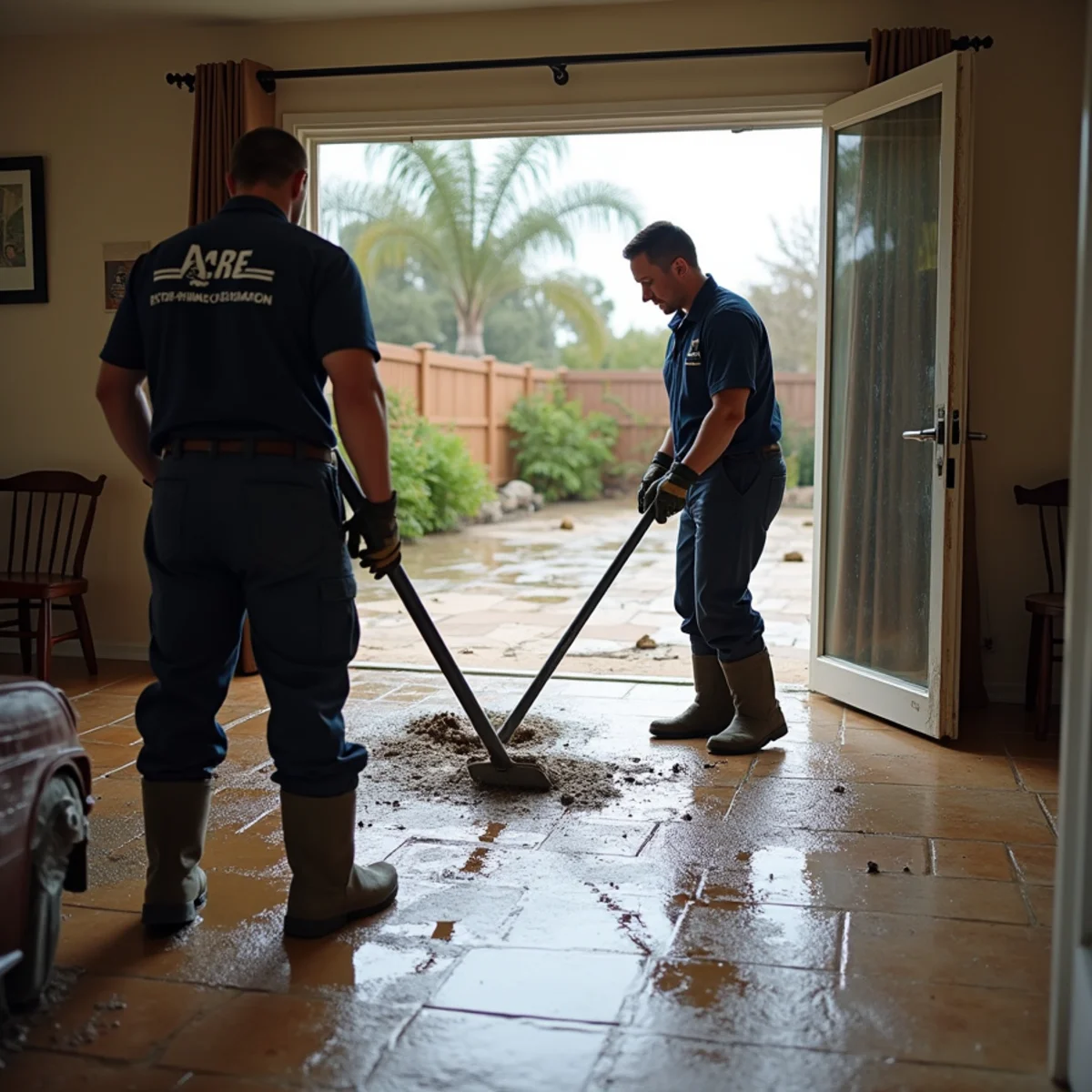
Removing silt and storm debris after flooding in a Fullerton, CA home

What Flood Cleanup Includes

Storm water is a decontamination job that also involves drying. The scope reflects that:

Electrical make-safe
Affected circuits de-energised before crews enter. Standing water and live outlets are the actual danger, ahead of any structural concern.
Pump-out and solids removal
Pumps and extractors for the water, then mechanical removal of silt, mud and debris — leaving sediment means leaving the contamination.
Removal of unsalvageable materials
Carpet and pad, insulation, drywall above the flood line and particleboard cabinetry, bagged and disposed of appropriately.
Clean, then disinfect
Every surface that stays is physically cleaned first, then treated with an EPA-registered antimicrobial. Disinfectant over soil accomplishes nothing.
Contents triage
Non-porous items cleaned and retained, porous items documented and discarded, with photographs taken before anything leaves.
Drying, verification and rebuild
Structural drying to a documented standard, then insulation, drywall, base, flooring and paint put back.

Fullerton's Actual Flood Exposure

Fullerton gets about 14 inches of rain a year. That number makes people relax, and it should not, because almost all of it falls between November and March and it tends to arrive in a small number of intense storms.

Fullerton sits in the Coyote Creek watershed. Brea Creek drains south through the city below Brea Dam and joins Coyote Creek, which runs along the county line north and west of Fullerton. The system works, but properties near the creek corridor — the Coyote Hills area, parts of West Fullerton and streets backing onto a channel — are the ones that feel it first when a storm outruns the design.

The second pattern is grade. South Fullerton below Commonwealth is flat, and flat means water sits. Streets with old kerb-line drainage back up, and once water is standing at the door threshold it takes very little to get inside.

The third is slope. Homes below hillsides in Rolling Hills, Bastanchury and along the Coyote Hills ridge take sheet flow off the slope during heavy rain, especially where landscaping or hardscape has redirected it toward the house.

How We Handle A Flood Loss

The sequence differs from a clean-water job in two important ways: containment comes earlier, and more material leaves the building.

  1. Safety and power

    Electrical first. Standing water and energised circuits are the actual danger, ahead of any structural concern. We de-energise affected areas before crews go in.

  2. Extraction and solids removal

    Pumps and extractors take the water. Silt, mud and debris come out mechanically — leaving sediment behind means you are leaving the contamination behind.

  3. Controlled removal of unsalvageable materials

    Carpet and pad that took flood water leave. Insulation leaves. Drywall gets cut above the flood line. Particleboard cabinetry and MDF base are almost always a loss. Solid wood, tile, concrete and framing usually stay and are cleaned in place.

  4. Cleaning and disinfection

    Every surface that stayed gets cleaned then treated with an appropriate antimicrobial. Cleaning first is the part that matters — disinfectant applied over soil does very little.

  5. Drying and verification

    Then the normal drying process, with daily readings and a documented dry standard before anything is rebuilt.

  6. Repairs

    Drywall, insulation, base, flooring and paint, done by the same crew that dried the building.

The Insurance Problem With Floods — Read This Part

This catches Fullerton homeowners every single winter, so it is worth being blunt.

A standard homeowners policy covers sudden and accidental water damage originating inside the building. It generally excludes flood — meaning surface water entering from outside, rising water and storm runoff. That coverage comes from a separate NFIP or private flood policy.

There are grey areas that work in your favour. Wind-driven rain entering through storm damage — a roof opened by Santa Ana winds, a broken window — is often treated as a wind loss rather than a flood loss and may be covered. Water backing up through a drain or sewer may be covered if you carry a water backup endorsement.

We document the point of entry, the direction of flow and the mechanism carefully for exactly this reason. Whether your loss is called wind, backup or flood is often decided by the evidence, and that evidence has to be gathered before cleanup starts.

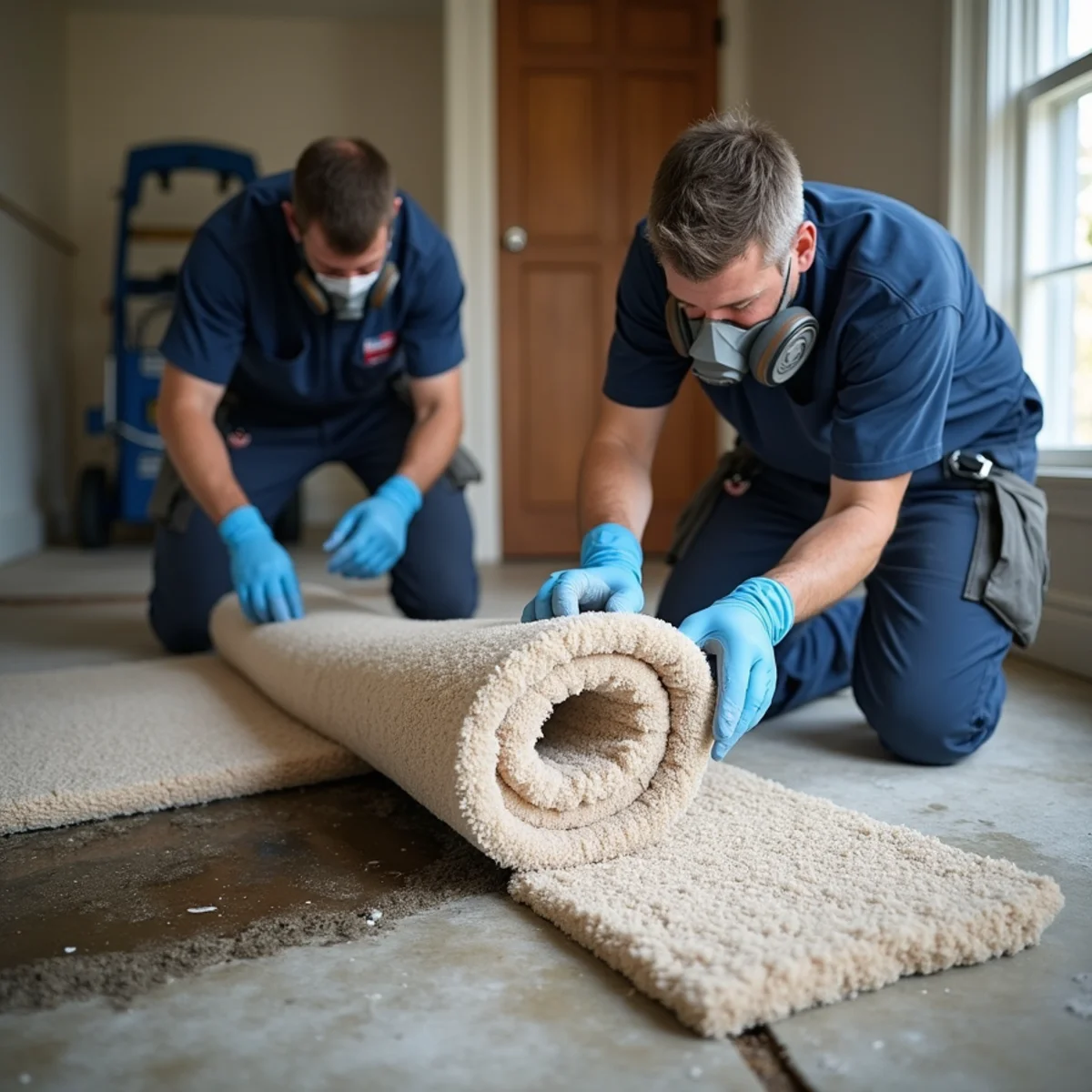
  • Removing flood-contaminated carpet and pad from a Fullerton home

    Removing flood-contaminated carpet and pad from a Fullerton home

  • Sanitising hard surfaces after storm flood water in a Fullerton property

    Sanitising hard surfaces after storm flood water in a Fullerton property

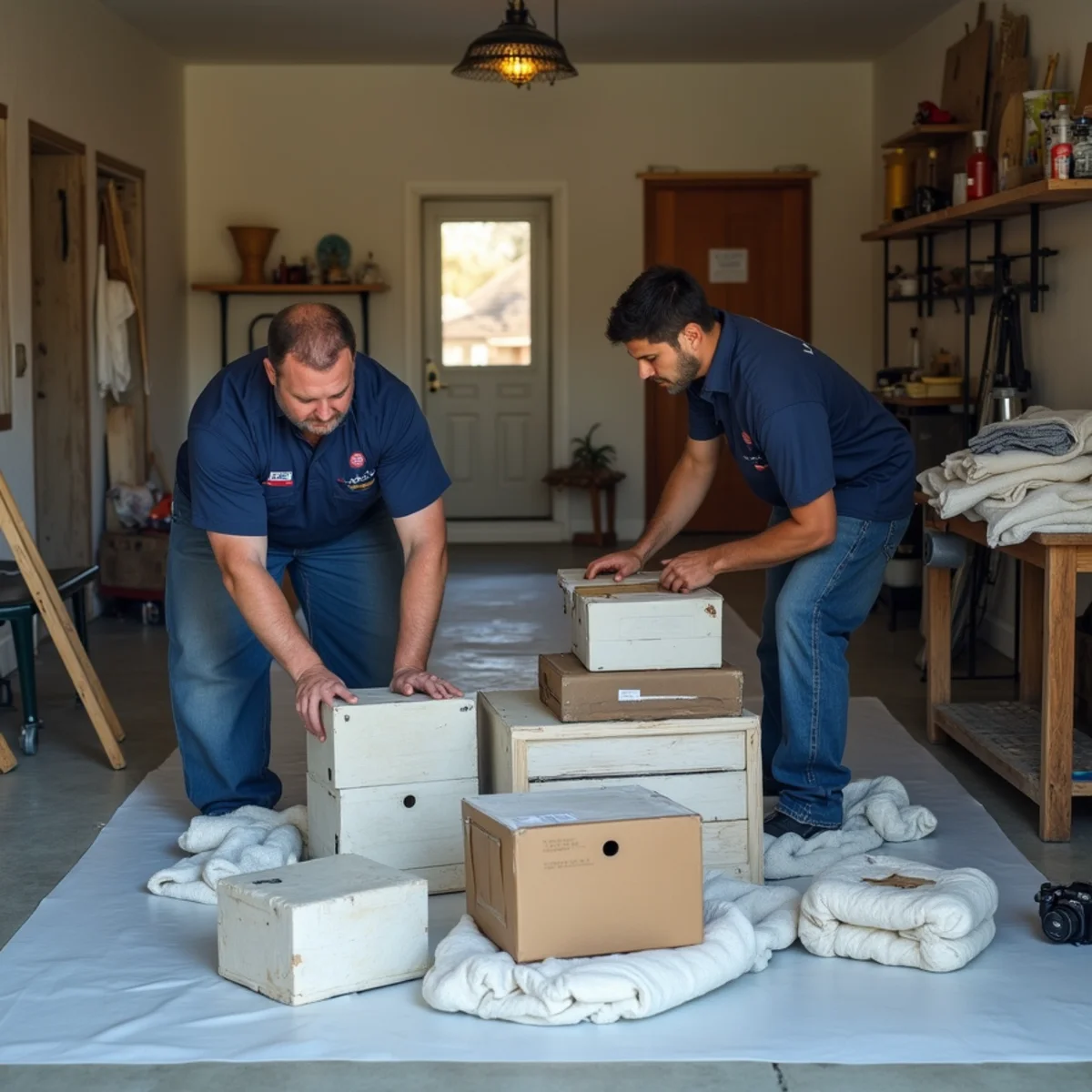
  • Contents triaged onto a dry staging area after a flood

    Contents triaged onto a dry staging area after a flood

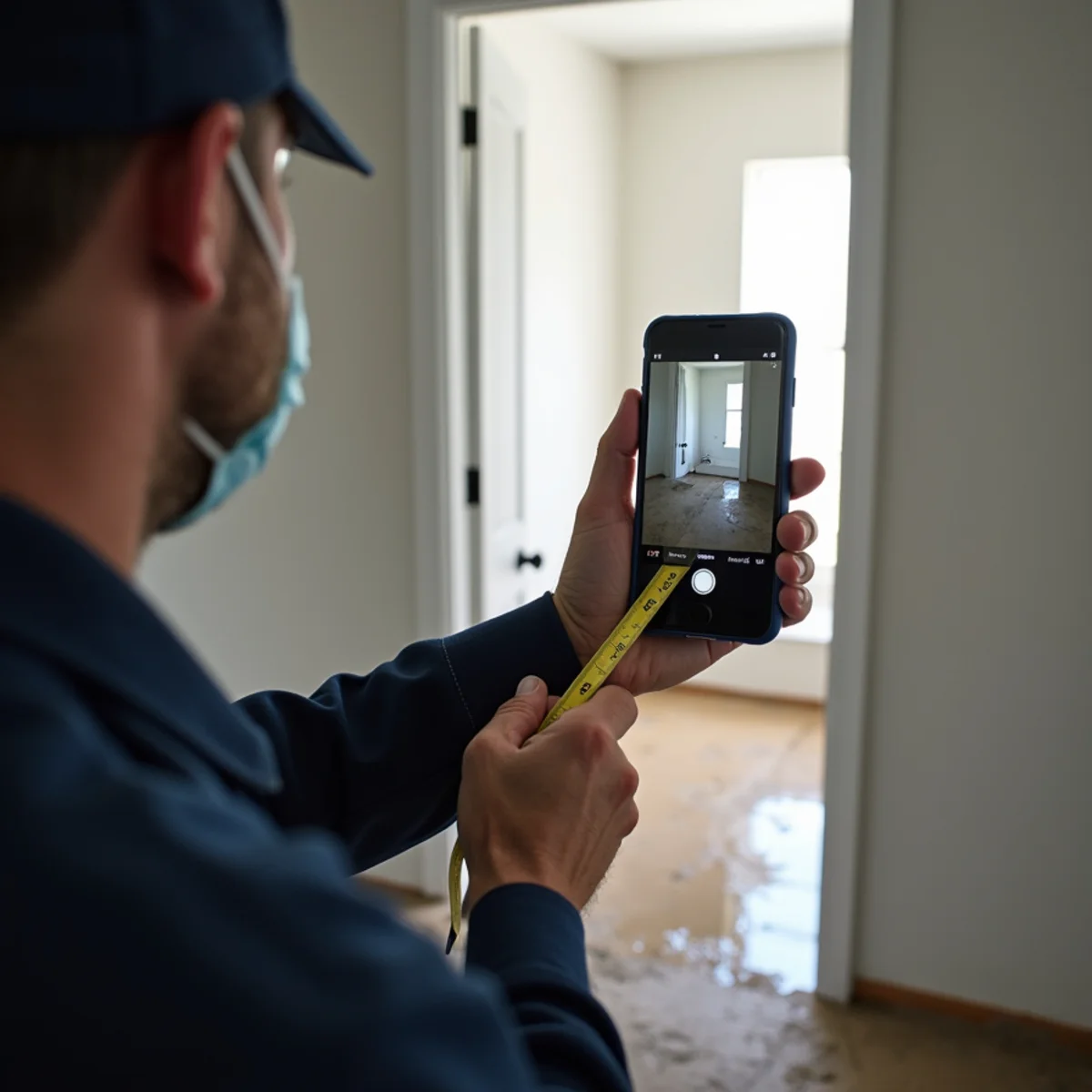
  • Photographing the silt line before flood cleanup begins

    Photographing the silt line before flood cleanup begins

Why Fullerton Homeowners Call Us After a Storm

Storm season here is short, sharp and concentrated between November and March. That shapes how we work:

  • We stage ahead of forecast storms

    During the rainy season we position equipment for the Coyote Creek corridor, East Fullerton and the low flats south of Commonwealth before the system arrives rather than after.

  • Category 3 handled as Category 3

    Water that crossed a street or a yard is contaminated by definition. Porous materials come out, and we will tell you that on day one rather than dry them and hope.

  • Documentation that protects your claim

    We record the entry point, direction of flow and water line height before anything is cleaned up — because whether your loss is recorded as wind or flood decides whether you are paid.

  • Honest about drainage

    If the real fix is a blocked area drain or a downspout discharging at the foundation, we say so. Drying the same room every winter is a service you should not have to buy twice.

What Drives Flood Cleanup Cost

Flood work generally costs more per square foot than clean-water work because more material is removed and disposal is regulated. The main variables:

Depth and area of intrusion
How high the water reached decides how much drywall, insulation and base come out.
Contamination level
Runoff carrying fuel, fertiliser or sewage raises PPE, containment and disposal requirements.
Sediment volume
Mud and silt are removed mechanically before anything can be cleaned.
Material losses
Carpet, pad, insulation and pressed-wood cabinetry usually cannot be saved after flood water.
Contents handling
Whether furniture and belongings need cleaning, packing out or disposal documentation.
Reconstruction
Flood cuts mean drywall, insulation, base and often flooring go back in.

Flood Cleanup in Fullerton — Common Questions

Usually not. Standard California homeowners policies exclude flood — surface water entering from outside — and that requires separate NFIP or private flood insurance. Water backing up through a drain may be covered if you carry a backup endorsement, and wind-driven rain through storm damage is often handled as a wind claim. We document the entry point and mechanism precisely because that distinction decides your coverage.

Where we provide flood cleanup

Crews dispatch within 60 minutes across Fullerton and north Orange County.

Fullerton neighbourhoods

Nearby cities

All 60 service areas

Further Reading

Guides on this topic

Written for Fullerton property owners, with the local risk factors that actually apply here.

Need flood cleanup in Fullerton right now?

Crews dispatched within 60 minutes — on-site in 60–90 minutes. We extract, dry to a documented standard, and hand your adjuster a file they cannot argue with.

  • 60-minute dispatch, anywhere in Fullerton
  • IICRC-aligned · licensed & insured
  • Direct insurance documentation
Call 24/7Free Estimate