24/7 emergency line — crews dispatched within 60 minutes

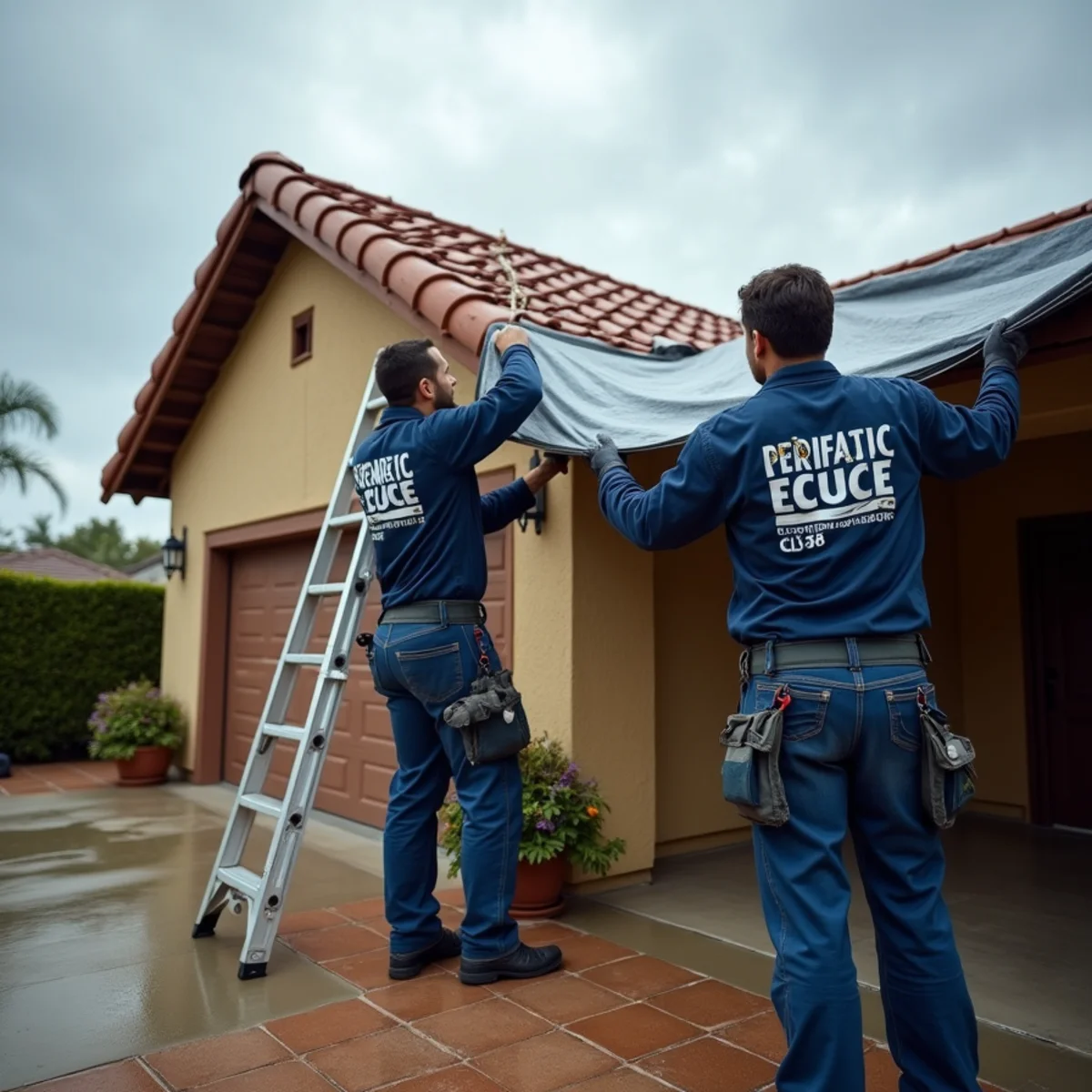
Emergency roof tarping after storm damage on a Fullerton, CA home

24/7 Emergency Service

Storm Damage Cleanup & Restoration in Fullerton, CA

Storm losses have a clock that other water losses do not: the weather is still happening. Stopping further intrusion comes before anything else, because the second night of an open roof costs more than the first.

  • On-site in 60–90 minutes
  • IICRC-aligned · licensed & insured
  • Staged on 1500 S Raymond Ave

We tarp, board up and secure the envelope first. Then we extract, dry and repair.

Fullerton gets two distinct storm threats and they need different responses. October through March brings Santa Ana winds — dry, fast, and hard on roofs. November through March brings the rain, mostly in a handful of intense atmospheric river events. When those two seasons overlap, a roof opened by wind in the morning takes on water that night.

Crews dispatched within 60 minutes — on-site in 60–90 minutes

+1 (201) 277-9344

After A Storm, Check For This

Some storm damage announces itself. Most does not, and finds you at the next rain:

  • Missing, lifted, cracked or slipped roof tiles and shingles
  • A new water stain on a ceiling or at the top of an interior wall
  • Debris, granules or tile fragments in gutters, on the driveway or in planters
  • A window, skylight, vent or fascia that is cracked, loose or displaced
  • Water in an attic, or daylight visible through the roof deck
  • Fence, tree or branch damage that has struck the roof, wall or service lines
  • Standing water against the foundation, or evidence water reached a threshold
  • Gutters pulled loose, or downspouts discharging directly against the wall
Emergency roof tarping after storm damage in Fullerton, CA

What Storm Damage Restoration Includes

Storm work has an extra stage the others do not: stopping the weather getting in while it is still happening.

Emergency tarping and board-up
Roof sections covered, broken openings secured, and shrink-wrap where a tarp will not hold in continuing wind. Normally covered as reasonable mitigation.
Wind-versus-flood documentation
Entry point, direction of flow and water line photographed before any temporary repair covers the evidence. This is what decides whether you are paid.
Extraction and material removal
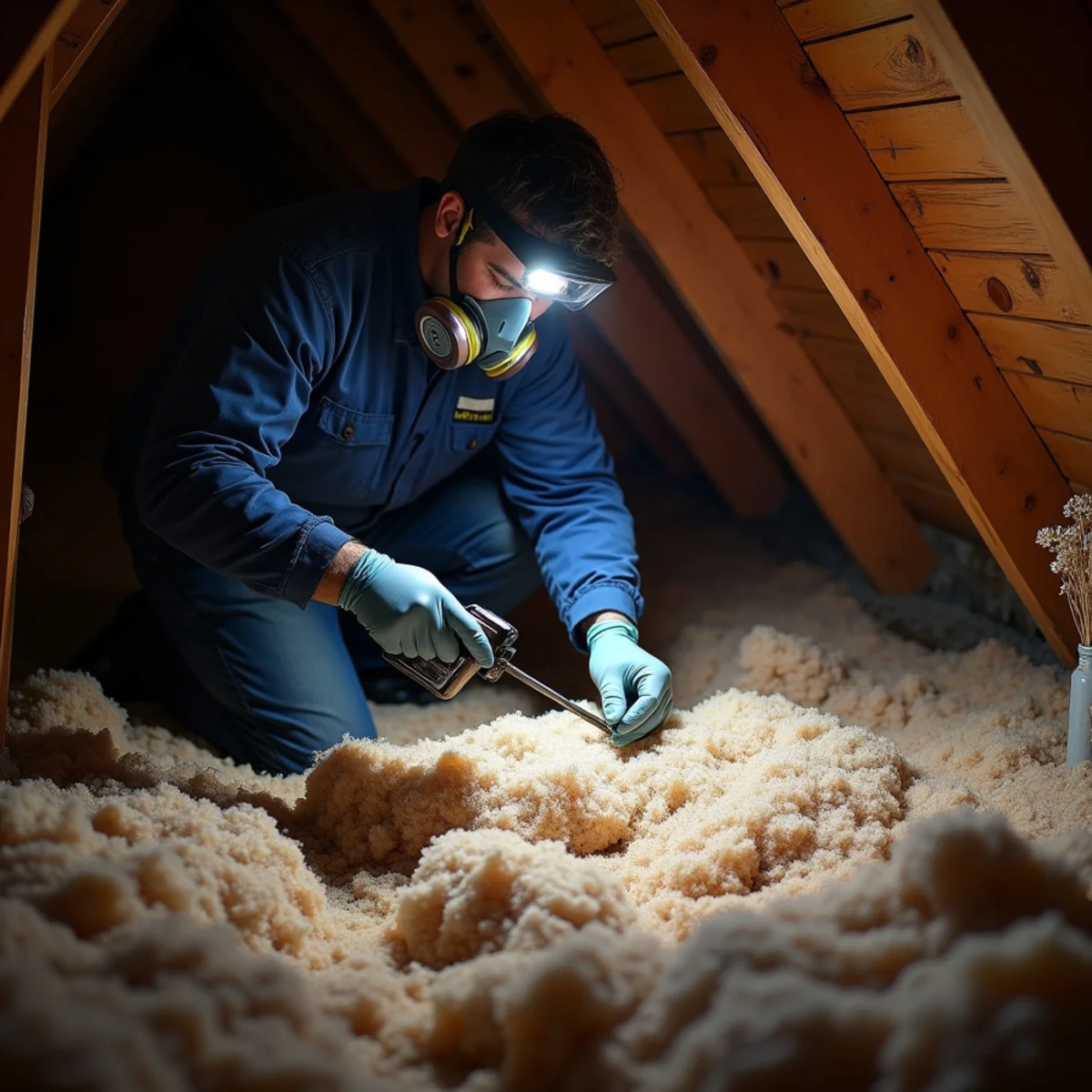
Standing water out, and saturated attic insulation removed — the part most commonly overlooked on a storm loss.
Attic and roof deck drying
Airflow above and below the ceiling assembly with daily readings, because attics dry slowly and are where a storm loss quietly becomes a mold job.
Mold treatment on the deck
Roof decks that stayed wet grow quickly in a warm attic. Contained cleaning and treatment where it is found.
Coordinated permanent repairs
Roofing by a licensed roofing contractor, then interior drywall, insulation, texture, paint and flooring on one file.

Santa Ana Winds And Fullerton Roofs

Santa Ana events run from roughly October through March, when high pressure over the Great Basin pushes dry air down through the passes and it accelerates on the way. The National Weather Service issues wind advisories and high wind warnings through the season, and gusts in north Orange County regularly reach damaging levels.

The damage pattern is specific. Wind lifts at the roof edge and the ridge, works under the leading edge of tiles or shingles, and breaks the seal. Often nothing looks wrong from the street. Then the first real rain arrives and water goes straight into the deck through the compromised course.

Elevation and exposure decide who gets hit. Bastanchury, Rolling Hills, Coyote Hills and the ridge properties in Sunny Hills take the strongest gusts, and the mature eucalyptus, pine and pepper trees across the older neighbourhoods add falling-limb damage.

The practical advice: after any significant wind event, walk the perimeter and look up. Finding a lifted tile in November is a hundred-dollar repair. Finding it in February because your ceiling is stained is a restoration job.

Rain Events And Where Fullerton Takes Water

Roughly 14 inches a year sounds gentle. It is not, because it is concentrated. A single atmospheric river can deliver a meaningful share of the annual total in 24 to 48 hours, onto ground already saturated by the storm before it.

That is when the drainage system gets tested. Coyote Creek and the flood control channels carry the volume, and they generally do their job — but properties along the corridor around Coyote Hills and in West Fullerton are closest to the margin.

Elsewhere the failures are local and mundane: gutters full of eucalyptus litter overflowing against a wall, a downspout discharging at the foundation, a patio poured with fall toward the house, a yard drain nobody has cleared since the last wet winter. Most of the storm water we extract from Fullerton homes did not come from a creek. It came off the roof and had nowhere to go.

Emergency Response And Repairs

The order matters here more than on a plumbing loss.

  1. Secure the envelope

    Emergency tarping over compromised roof sections, board-up for broken windows and openings, and shrink-wrap where a tarp will not hold in continuing wind.

  2. Document before the weather changes it

    Photographs of the damage, the entry point and the interior effect, taken before any temporary repair covers the evidence. This is what decides whether your claim is treated as wind or flood.

  3. Extract and remove

    Standing water out, saturated insulation out — attic insulation that took roof water is a loss and is often overlooked entirely.

  4. Dry the structure

    Including the attic and roof deck, which dry slowly and are the most common place a storm loss quietly turns into a mold job.

  5. Permanent repairs

    Roofing, drywall, insulation, texture, paint and flooring, coordinated on one file with your carrier.

The Coverage Distinction That Decides Your Claim

This is the part worth understanding before you call your insurer.

Water that entered because wind opened the building — a lifted tile, a broken window, a displaced vent — is generally a wind loss and covered under a standard homeowners policy.

Water that entered from the ground up — runoff, rising water, an overwhelmed drain outside — is generally a flood loss, excluded, and needs separate flood coverage.

Both can happen in the same storm, in the same house, on the same night. Which one your carrier records determines whether you are paid. That is why we document the entry point, the direction of flow and the height of the water line before touching anything, and why tarping photos are taken from angles that show the failure rather than just the tarp.

  • Wind-lifted roof tiles after a Santa Ana event in Fullerton

    Wind-lifted roof tiles after a Santa Ana event in Fullerton

  • Removing storm-saturated attic insulation in a Fullerton home

    Removing storm-saturated attic insulation in a Fullerton home

  • Emergency tarp secured over storm-damaged roofing

    Emergency tarp secured over storm-damaged roofing

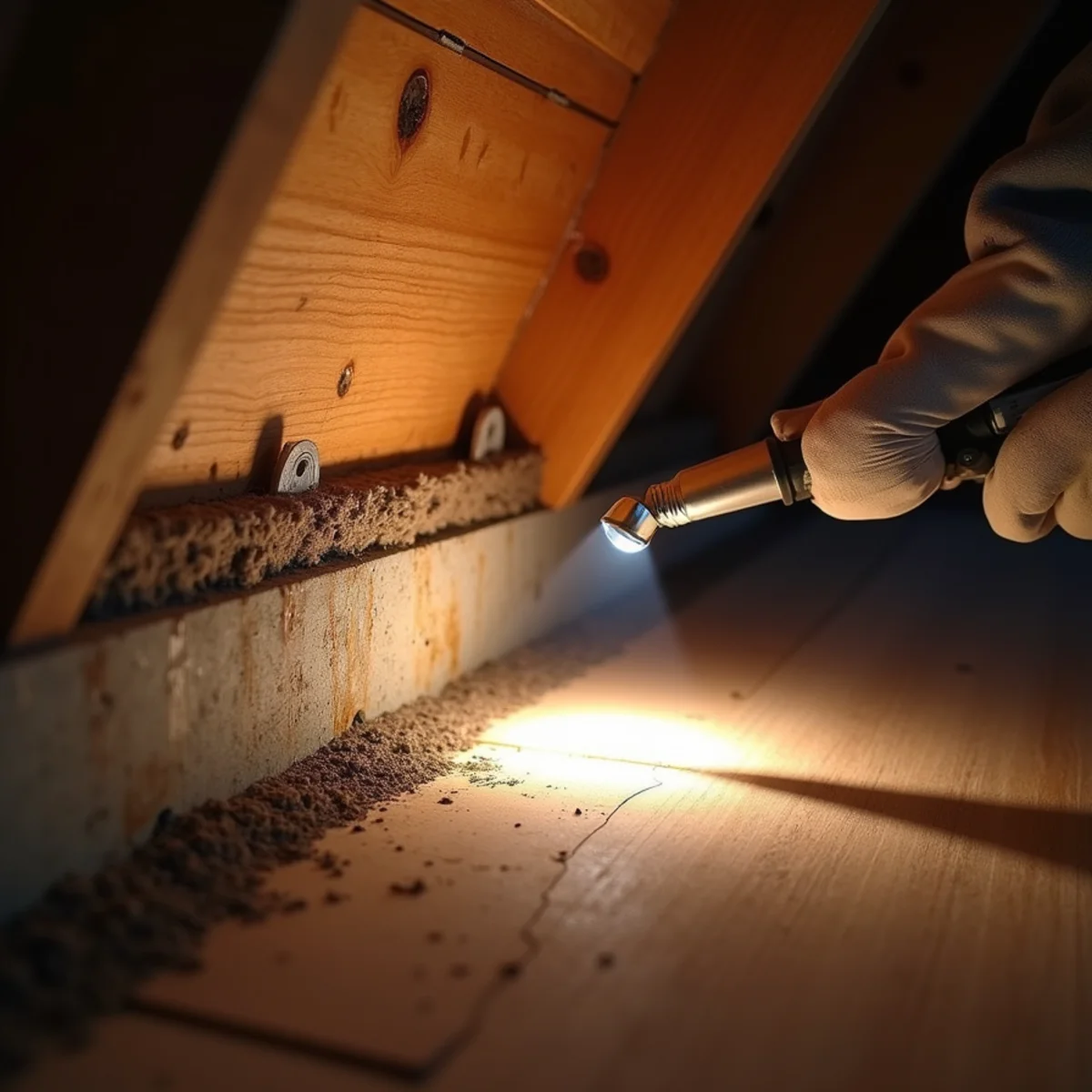
  • Inspecting attic sheathing for storm water intrusion

    Inspecting attic sheathing for storm water intrusion

Why Storm Season Here Needs a Local Crew

Fullerton gets two distinct storm threats with a gap between them, and most damage is created in the first and discovered in the second.

  • We work the wind-then-rain pattern

    Santa Ana events October to March lift tiles without leaving visible damage; the first real storm finds every broken seal at once. We look for the cause, not just the stain.

  • Equipment staged before forecast storms

    During the rainy season we position for the Coyote Creek corridor, Carbon Canyon and the hillside neighbourhoods ahead of the system rather than after it.

  • Tarping the same night

    Securing the envelope stops the loss growing while the weather continues. A second night of an open roof costs considerably more than the first.

  • We name the drainage problem

    Where the water came off a roof and had nowhere to go, we say so. Most storm water we extract never came near a creek.

What Drives Storm Damage Restoration Cost

Storm work splits into emergency stabilisation, mitigation and permanent repairs. Variables:

Emergency tarping and board-up
Priced by area covered and access — steep tile roofs and two-storey elevations take longer and need more equipment.
How long the building stayed open
One night versus a week is the whole difference between a ceiling repair and a rebuild.
Attic and insulation involvement
Saturated blown-in or batt insulation is removed and replaced, and it is frequently missed.
Interior spread
Roof water runs along framing and can appear a long way from the entry point.
Roofing repair scope
A repaired course, a section, or a full replacement — and whether the carrier treats it as repair or replacement.
Wind versus flood classification
The largest single factor in what you actually pay out of pocket.

Storm Damage in Fullerton — Common Questions

Yes — emergency tarping and board-up is 24/7 work and it is usually the first thing we do on a storm call. Securing the envelope stops the loss growing while the weather continues, and the temporary repair is normally covered by your policy as reasonable mitigation.

Where we provide storm damage

Crews dispatch within 60 minutes across Fullerton and north Orange County.

Fullerton neighbourhoods

Nearby cities

All 60 service areas

Further Reading

Guides on this topic

Written for Fullerton property owners, with the local risk factors that actually apply here.

Need storm damage in Fullerton right now?

Crews dispatched within 60 minutes — on-site in 60–90 minutes. We extract, dry to a documented standard, and hand your adjuster a file they cannot argue with.

  • 60-minute dispatch, anywhere in Fullerton
  • IICRC-aligned · licensed & insured
  • Direct insurance documentation
Call 24/7Free Estimate