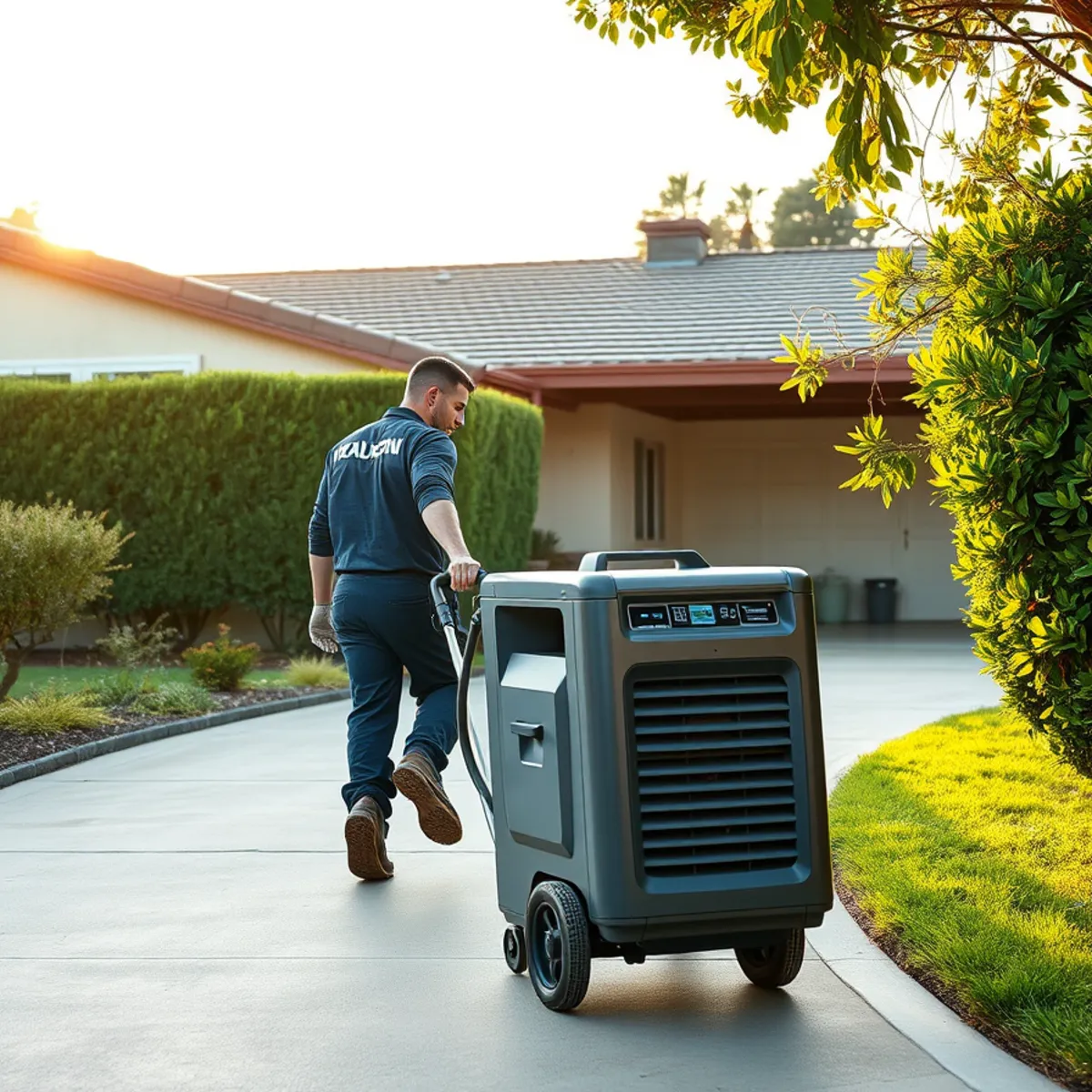
Anaheim built out fast in the two decades after the war, and that timing defines its water damage profile today. Enormous swathes of the city — west of Euclid, along Ball and Cerritos, north toward the Fullerton line — are 1950s and 1960s slab-on-grade tract housing.
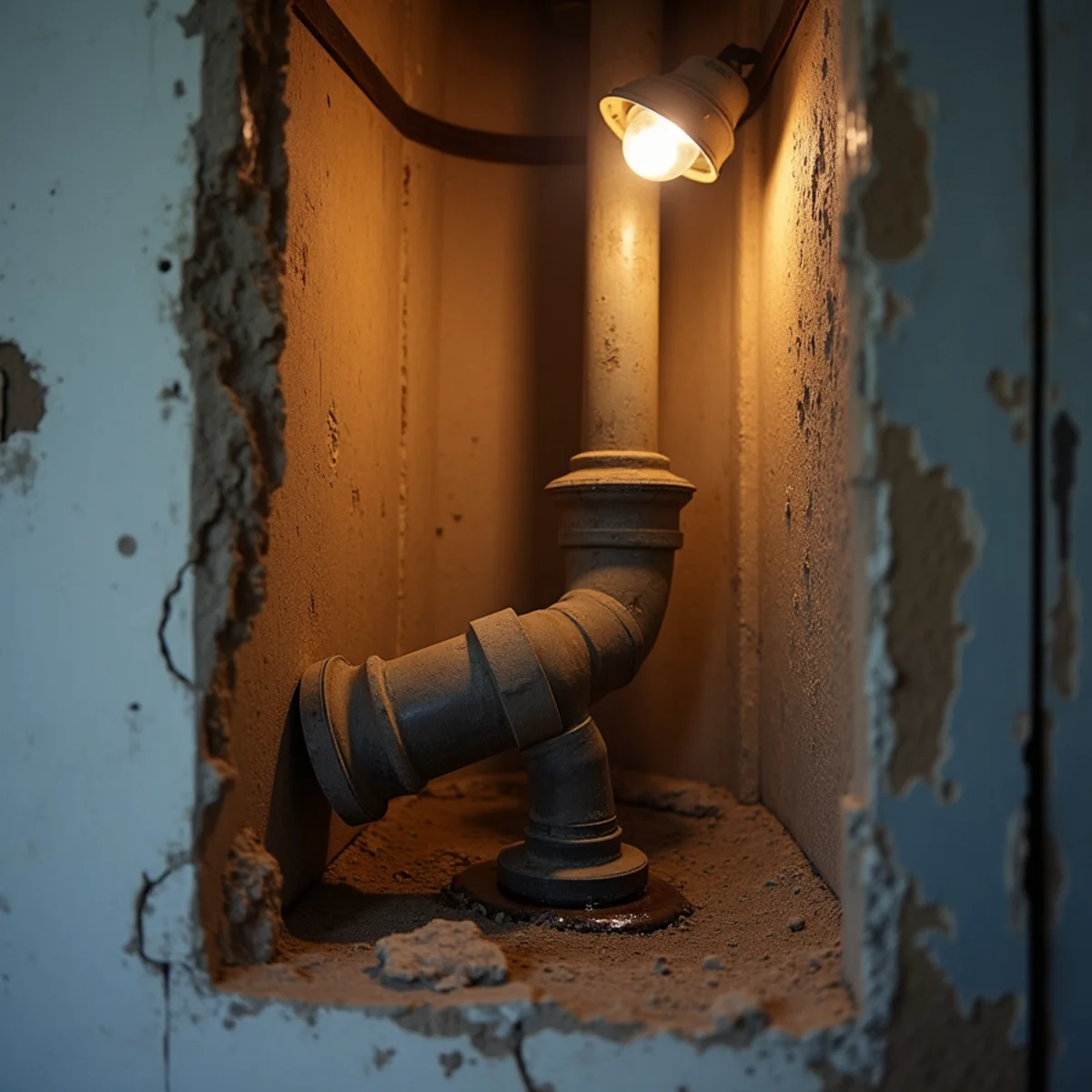
That construction is now at the exact age where original copper under and inside the slab starts failing. Add Orange County's hard water at 14 to 25 grains per gallon and you get pitting corrosion producing pinhole leaks rather than dramatic bursts. They run for weeks under flooring before anyone notices a warm spot or a jump in the water bill.
The Colony district is older still and different in kind, with pre-war housing carrying galvanized supply lines. The hillside east of the 55 is newer, larger and brings slope drainage and roof exposure instead.
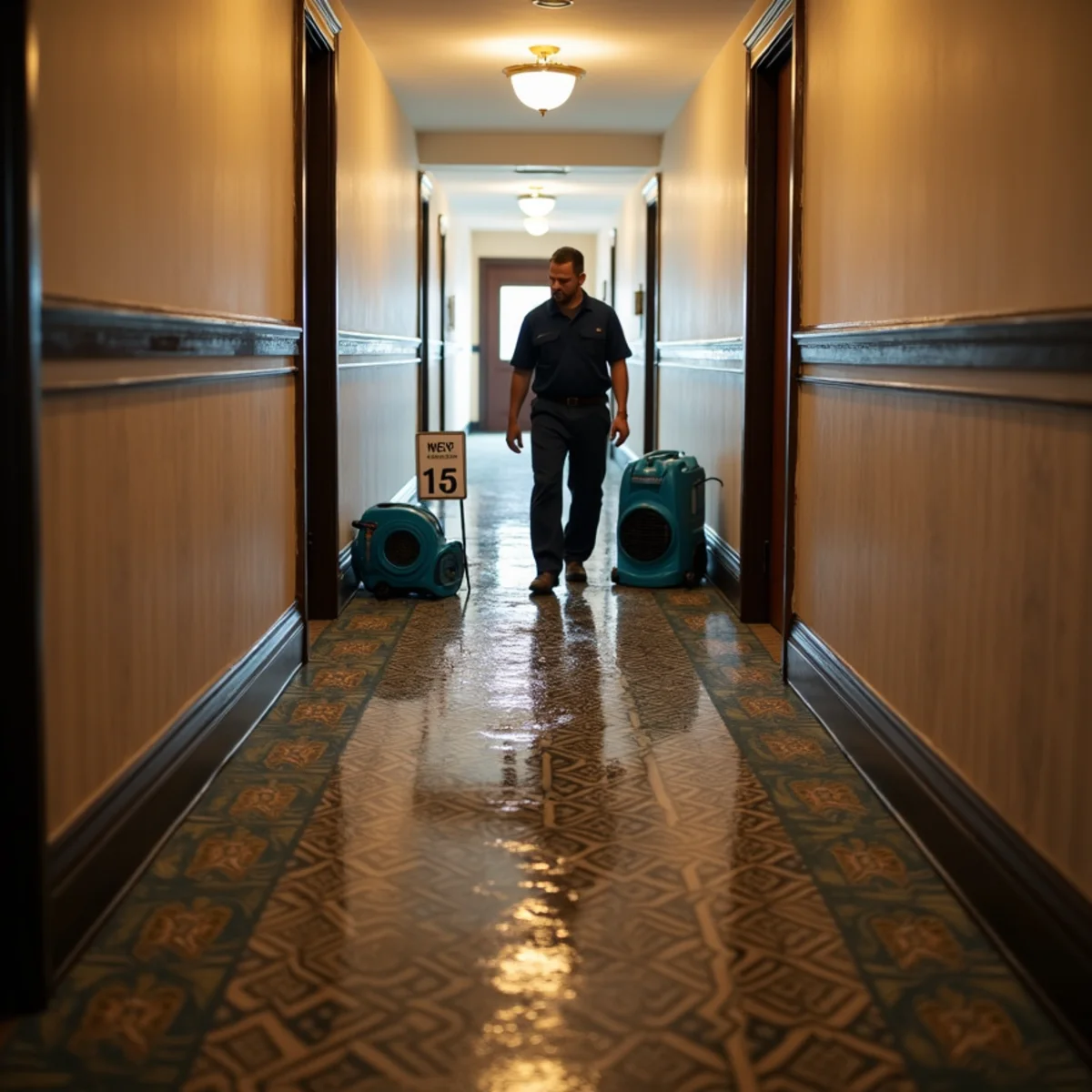
Then there is the density factor. Anaheim has a very large rental and multifamily stock, and multifamily changes everything about a water loss: one failed supply line on a second floor becomes three units and a common corridor, and the responsibility question between owner, HOA and tenant has to be documented from the first hour.