The 1920s through 1940s housing around downtown was plumbed with galvanized steel, and wherever original runs survive they are eighty to a hundred years old.
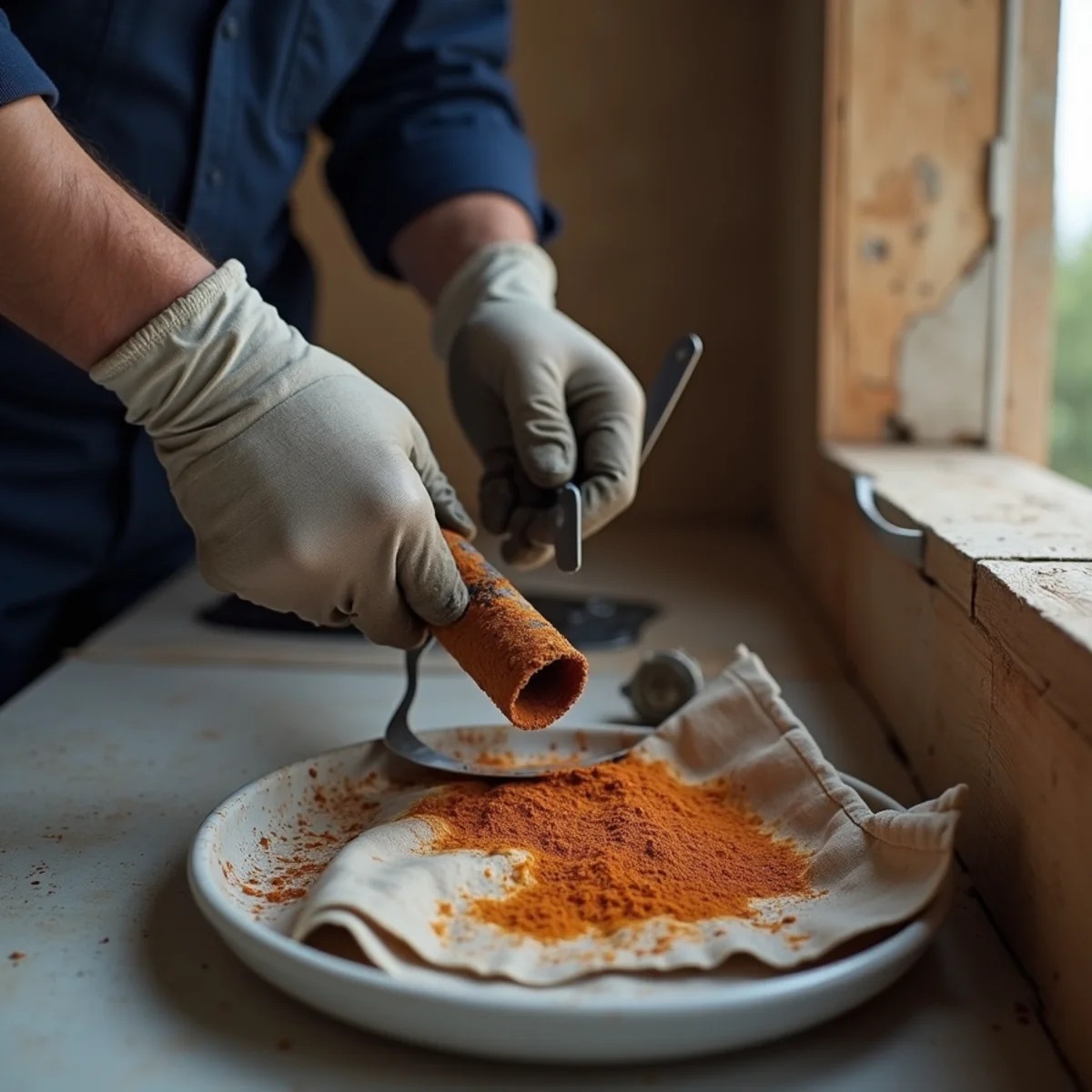
Galvanized corrodes from the inside. Rust and scale build on the pipe wall, restrict the bore, increase turbulence, and thin the wall until it weeps and then splits. Homeowners get years of warning — rust-tinted water when a tap has stood overnight, pressure that has quietly declined, corrosion crusting at threaded joints — and almost nobody connects those to a coming failure.
Most of these houses have been partially repiped at some point, which creates the second failure mode: dissimilar metal joints. Where 1930s galvanized meets 1980s copper, galvanic corrosion attacks the junction preferentially, and a large share of the bursts we attend in this area are at a coupling rather than mid-run.
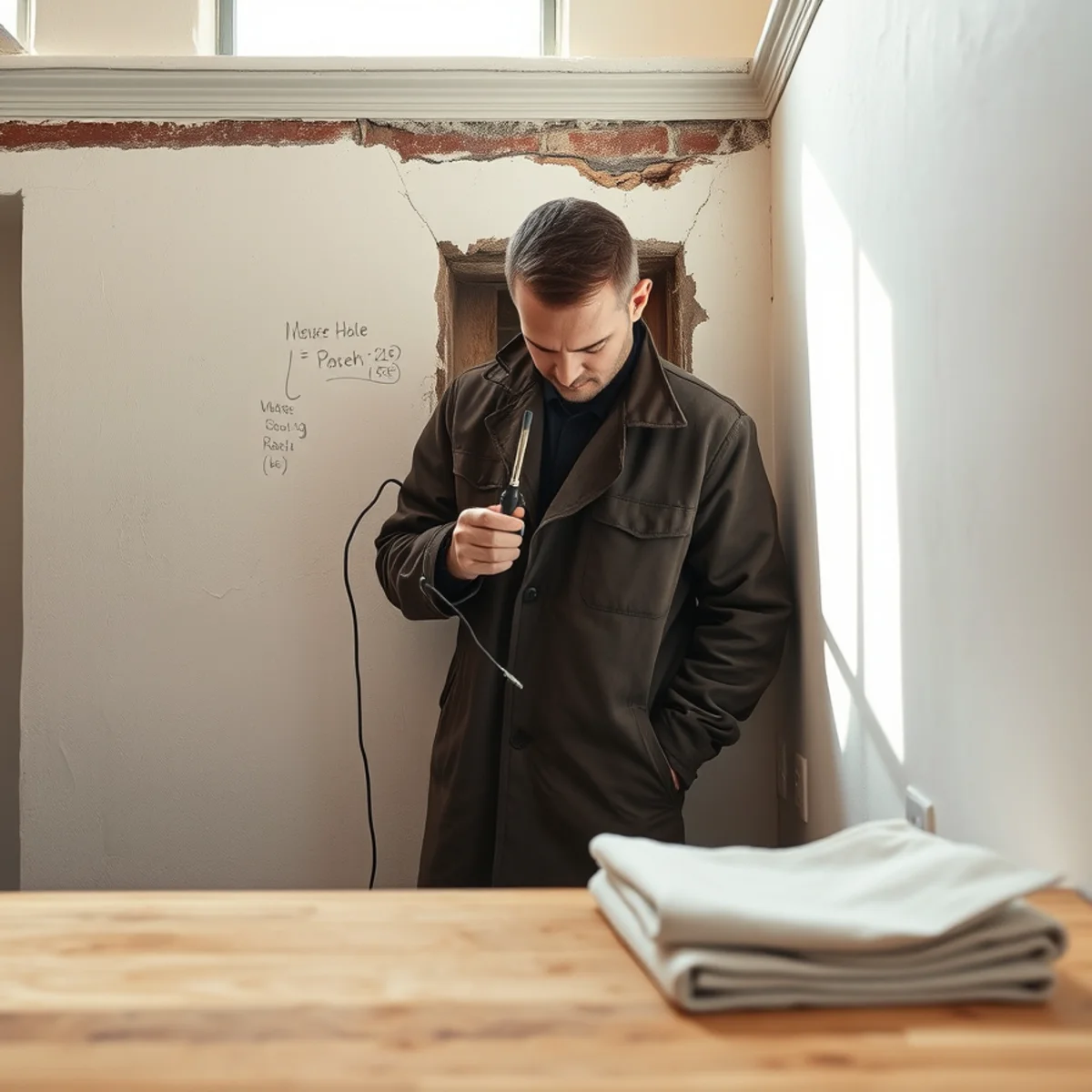
Then the walls. Lath and plaster holds water in the brown coat and behind the lath, and it gives that water up slowly. A plaster wall can read dry at the surface while the assembly behind it is still saturated. Drying downtown houses takes longer and needs readings taken inside the wall.
The commercial buildings add shared party walls and, in the bar and restaurant blocks, grease-line and floor-drain issues that are Category 3 from the moment they surface.