How Fast Does Mold Grow After a Leak? Inside the 24–48 Hour Window
Spores are already in your house. What they are waiting for is moisture — and the clock that starts when they get it is shorter than most people think.
Read the guide24/7 emergency line — crews dispatched within 60 minutes
1500 S Raymond Ave, Fullerton, CA 92831

6–11 minutes from our Fullerton base
Lemon Park takes its name from the citrus packing era that built this part of Fullerton, and the housing dates from it — 1920s and 1930s bungalows and early cottages, six to eleven minutes from our base.
Along with downtown, this is the oldest residential plumbing in the city, and restoring these houses properly is a slower, more careful job than working on a tract home.
Lemon Park: 6–11 minutes · dispatch within 60 minutes
+1 (201) 277-9344Original galvanized steel supply piping in a 1920s house has had a century to corrode from the inside out. Where it survives, it is at the far end of its service life, and the failure mode is a slow weep that becomes a split.
Almost every house here has been repiped in stages, which is where the real weakness sits. A run of 1928 galvanized joined to 1970s copper joined to 2010 PEX has a failure point at each transition, because dissimilar metals in contact corrode preferentially at the junction.
Cast iron drain lines are the other half. Ninety years of internal scaling reduces the effective bore substantially, and once a line is that restricted, backups stop being unlucky and start being routine.
The construction is what changes our approach. Lath and plaster holds water in the brown coat and behind the lath and releases it slowly, so a wall can read dry at the surface while the assembly behind it is saturated. Old-growth douglas fir framing is dense and dries slowly too.
Many of these homes have raised foundations with crawl spaces, which adds a sub-area that nobody inspects and where a leak can run for months.

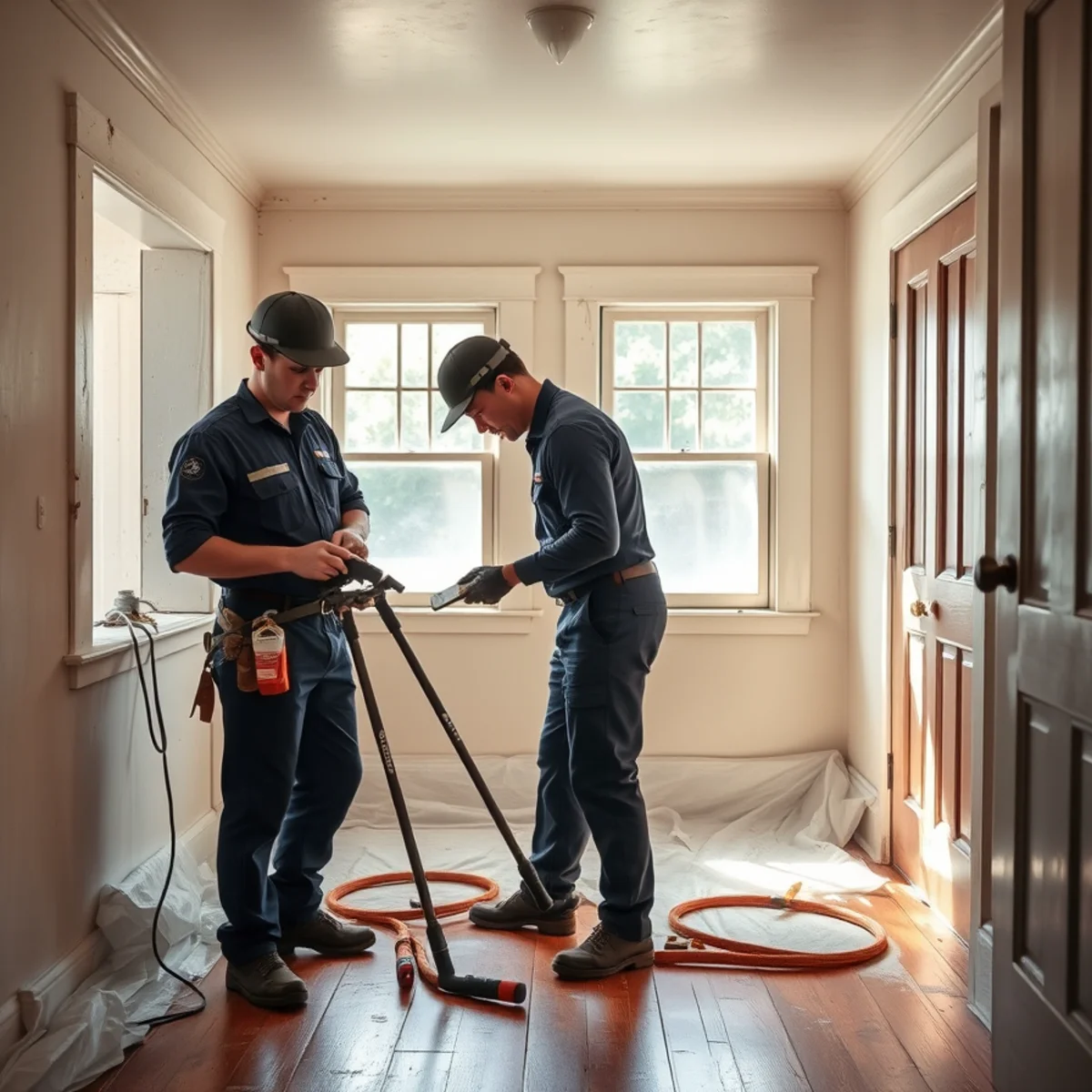
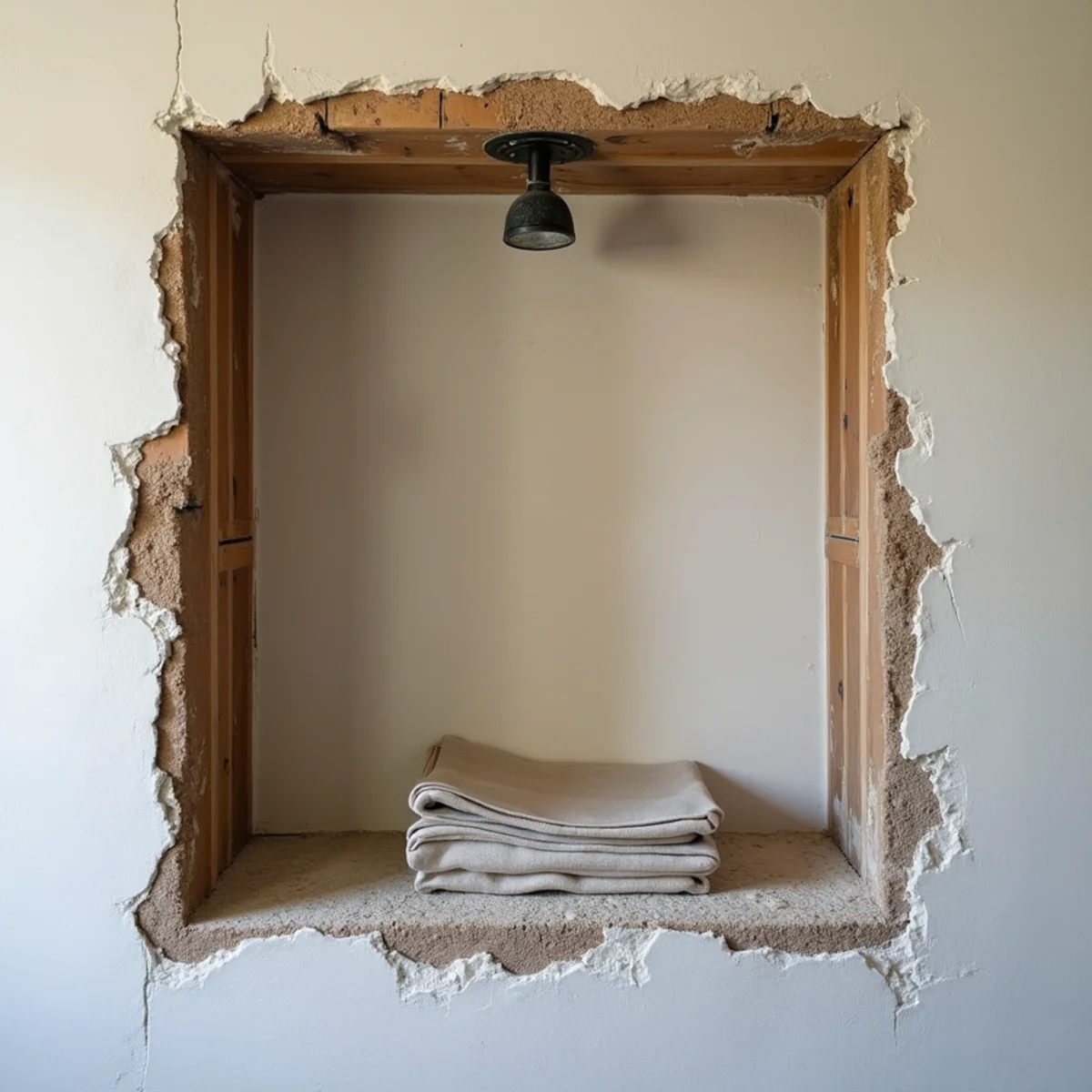
The reflex on a modern house is to cut out wet drywall immediately. On a 1926 plaster wall with original casing, base and picture rail, that is the wrong first move, because once original material is gone nothing replaces it convincingly.
So we dry the assembly, take readings behind the plaster rather than at the surface, and remove only what will genuinely not recover. It takes longer and we say so up front rather than halfway through.
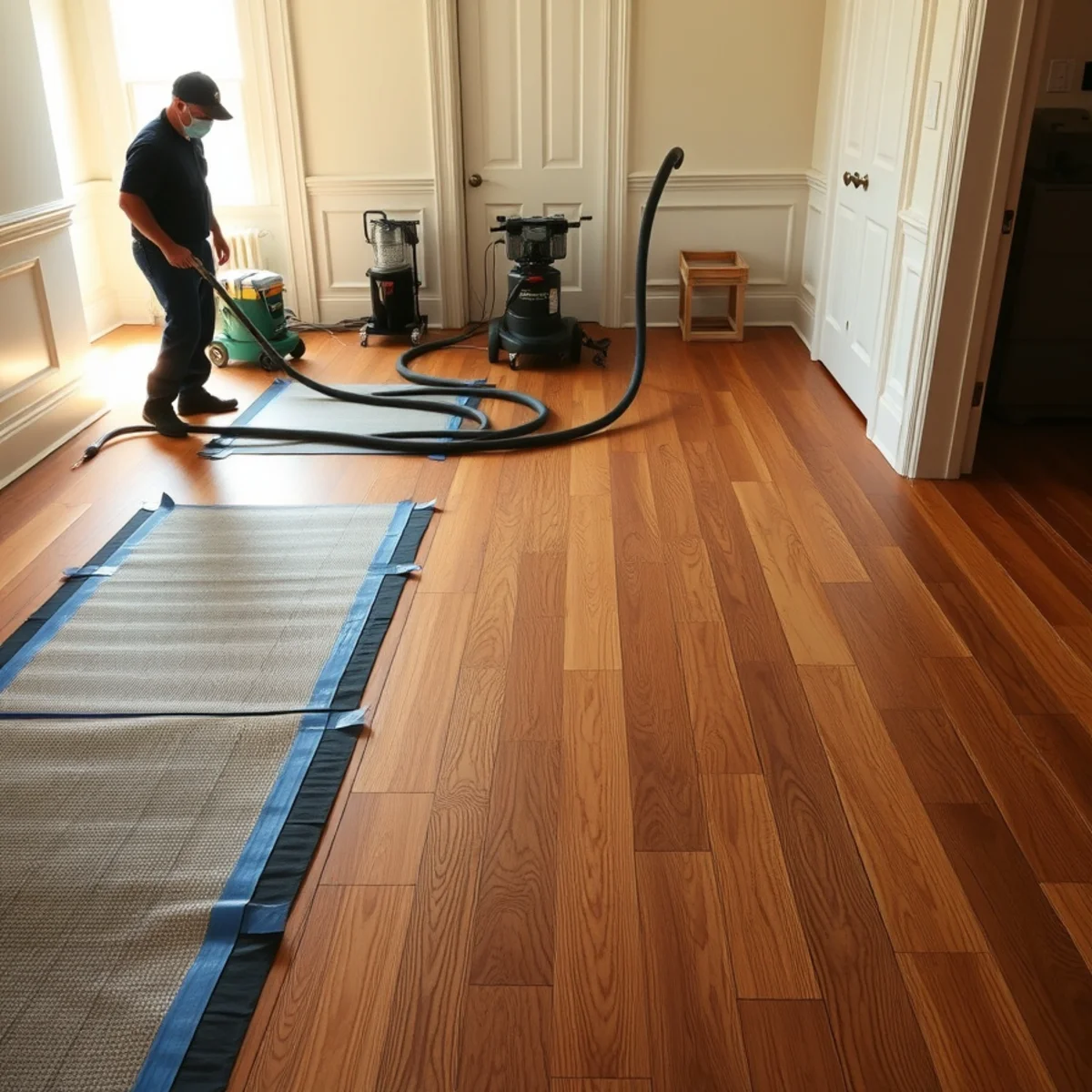
Original wood flooring gets the same treatment. Mat drying systems pull moisture up through the board seams under vacuum and can bring cupped old-growth boards back flat — but only before they have dried in a cupped shape and been sanded. On a historic floor, speed matters more than on any modern one.
One practical warning for this housing era: textured or acoustic ceilings applied before about 1980 may contain asbestos, and painted surfaces in a pre-1978 house may contain lead. Neither should be scraped, sanded or demolished without testing. Testing is cheap and quick; the alternative is a household exposure problem on top of a water loss.
The scopes we run most often at this address type. Every one is available 24/7.

From the shut-off to the finished wall: extraction, drying, plumber coordination and reconstruction on one file.
Burst Pipe Cleanup in FullertonBalanced air movers and dehumidifiers, daily moisture logs, and a documented dry standard — so nothing is left wet behind the wall.
Structural Drying in FullertonContainment, HEPA filtration, source removal and independent clearance testing — plus fixing the moisture that caused it.
Mold Remediation in FullertonCategory 3 black water is a biohazard. Containment, safe removal, disinfection to standard, and odour that actually stays gone.
Sewage Cleanup in FullertonPump-out, sub-area drying and vapour barrier work — the space nobody looks at until the whole house smells.
Basement & Crawl Space in FullertonCentury-old cottages six to eleven minutes from our base, where the wrong first move destroys something irreplaceable.
Close enough that we are usually on site before a 1920s plaster wall has wicked far.
Plaster dried in place where readings allow it; original oak floors mat-dried rather than replaced.
Pre-1980 textured ceilings and pre-1978 painted surfaces are tested before disturbance, not scraped.
Many Lemon Park homes are raised foundation, where a leak can run for months before anything shows upstairs.
Usually not, and on a historic house that should be the last resort rather than the first move. Plaster can very often be dried in place — it just takes longer and needs readings taken inside the assembly rather than at the surface. We only remove what genuinely will not recover.
Not without testing first. Acoustic and textured ceiling finishes applied before about 1980 may contain asbestos, and California is strict about disturbing them. A lab sample is inexpensive and takes a few days. If it is positive, a licensed abatement contractor handles it before restoration continues; if negative, we proceed normally.
Because it has been repiped in stages over decades, and wherever a newer metal meets an older one, galvanic corrosion attacks that junction preferentially. A house with galvanized, copper and PEX in it has a built-in weak point at every transition, regardless of how good each individual section is.
Yes. Textured or acoustic ceiling finishes applied before about 1980 may contain asbestos, and painted surfaces in pre-1978 homes may contain lead — both common in Lemon Park's housing era. A lab sample is inexpensive and takes a few days. If it is positive, a licensed abatement contractor handles it before restoration continues; if negative, we proceed normally.
We cover Lemon Park alongside the surrounding neighbourhoods and cities.
1920s–40s historic core on the Fullerton Heritage register; the oldest plumbing stock in the city plus bar and restaurant commercial losses.
A mix of 1940s–50s ranches and 1960s–70s tracts; older sewer laterals and mature landscape root intrusion across two construction eras.
1950s–60s tracts along Commonwealth Avenue; original slab-on-grade homes now at peak repipe and water-heater replacement age.
Mature tree-canopy streets near Chapman Avenue; root-invaded sewer laterals and aging irrigation systems on established lots.
Mid-century homes on elevated terrain; our 1500 S Raymond Ave base sits in this orbit, making it our single fastest response area.
Spores are already in your house. What they are waiting for is moisture — and the clock that starts when they get it is shorter than most people think.
Read the guideCentury-old steel corroding from within, sitting in soil that moves every season. Two independent failure mechanisms, one house.
Read the guideCrews dispatched within 60 minutes — on-site in 60–90 minutes. Fullerton Water Damage Pros · 1500 S Raymond Ave, Fullerton, CA 92831 · +1 (201) 277-9344.