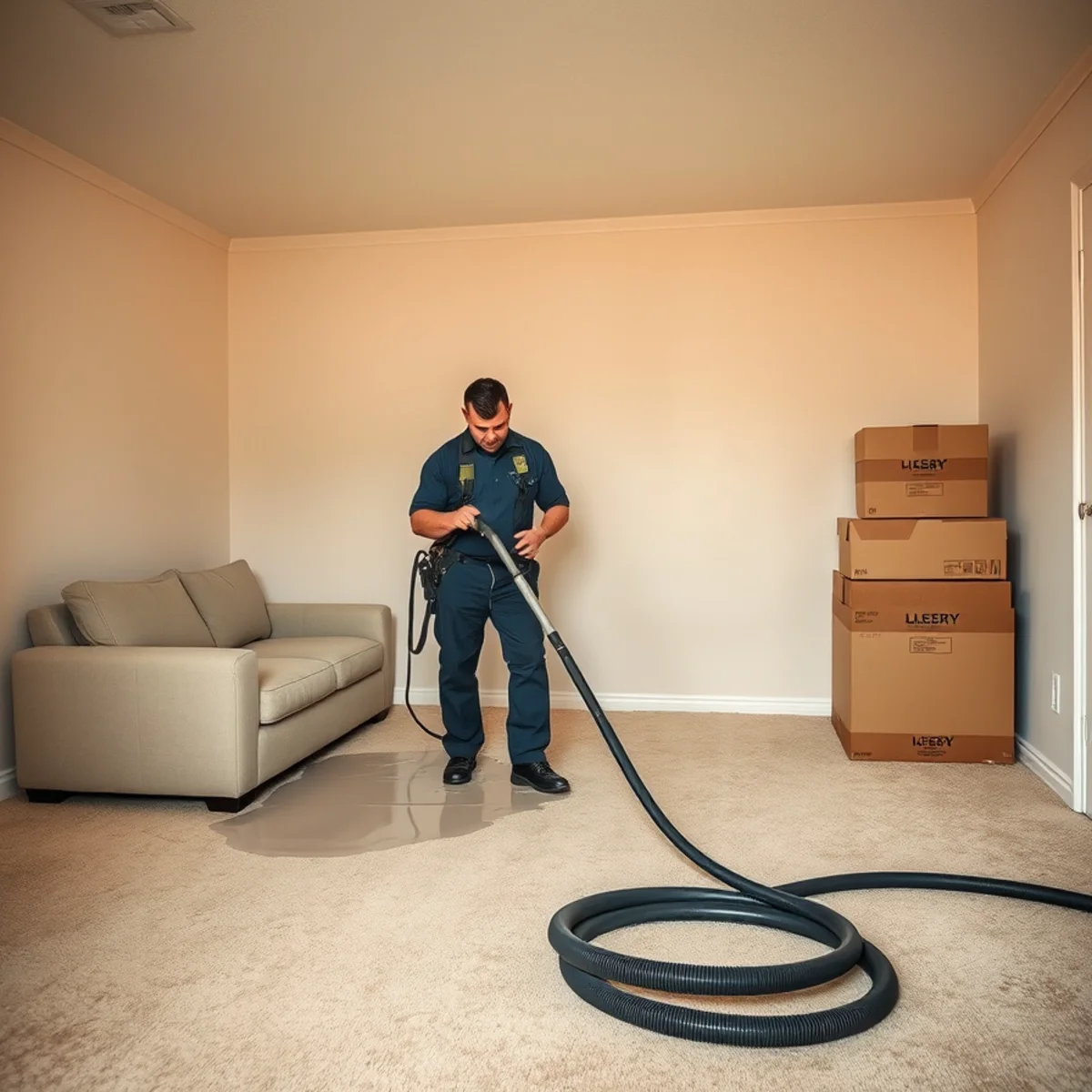
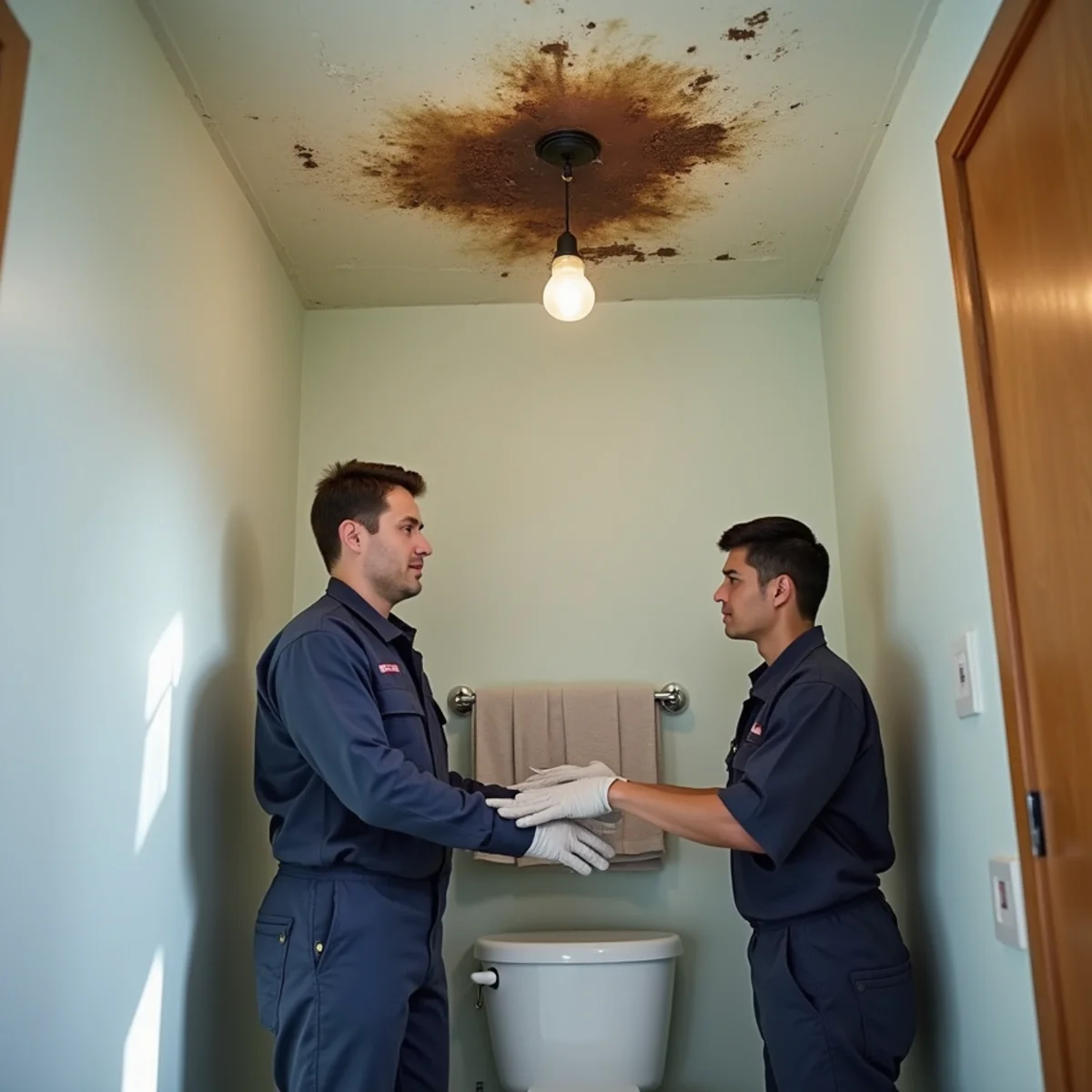
The failures here are not exotic. They are the ordinary ones — toilet overflows, washing machine hoses, dishwashers, water heaters — and what makes them expensive is time.
Shared houses and apartments are frequently empty during the day and completely empty over academic breaks. A supply connector that lets go on the Friday before a break runs until someone comes back. We have seen the difference that makes on the same failure in the same building: caught in twenty minutes it is a bathroom; caught after a week it is the unit, the unit below, and the corridor.
Deferred maintenance compounds it. Rental water heaters get run to failure rather than replaced at ten years, rubber washing machine hoses stay in place well past their service life, and toilet fill valves and flappers are replaced only when someone complains.
Occupancy density adds ordinary wear. More people, more showers, more laundry, more use of every fixture and drain in the building than the original design assumed.
The housing stock itself is mixed — older single-family homes converted to rentals alongside purpose-built apartment blocks — so the underlying plumbing ranges from 1950s original to relatively modern.