
Problem Solving6 min read
Tree Roots in Your Sewer Line: Warning Signs to Catch Before the Backup
Root intrusion announces itself months in advance. Most people hear the warning and put it down to old plumbing.
Read the guide24/7 emergency line — crews dispatched within 60 minutes
1500 S Raymond Ave, Fullerton, CA 92831
7–12 minutes from our Fullerton base
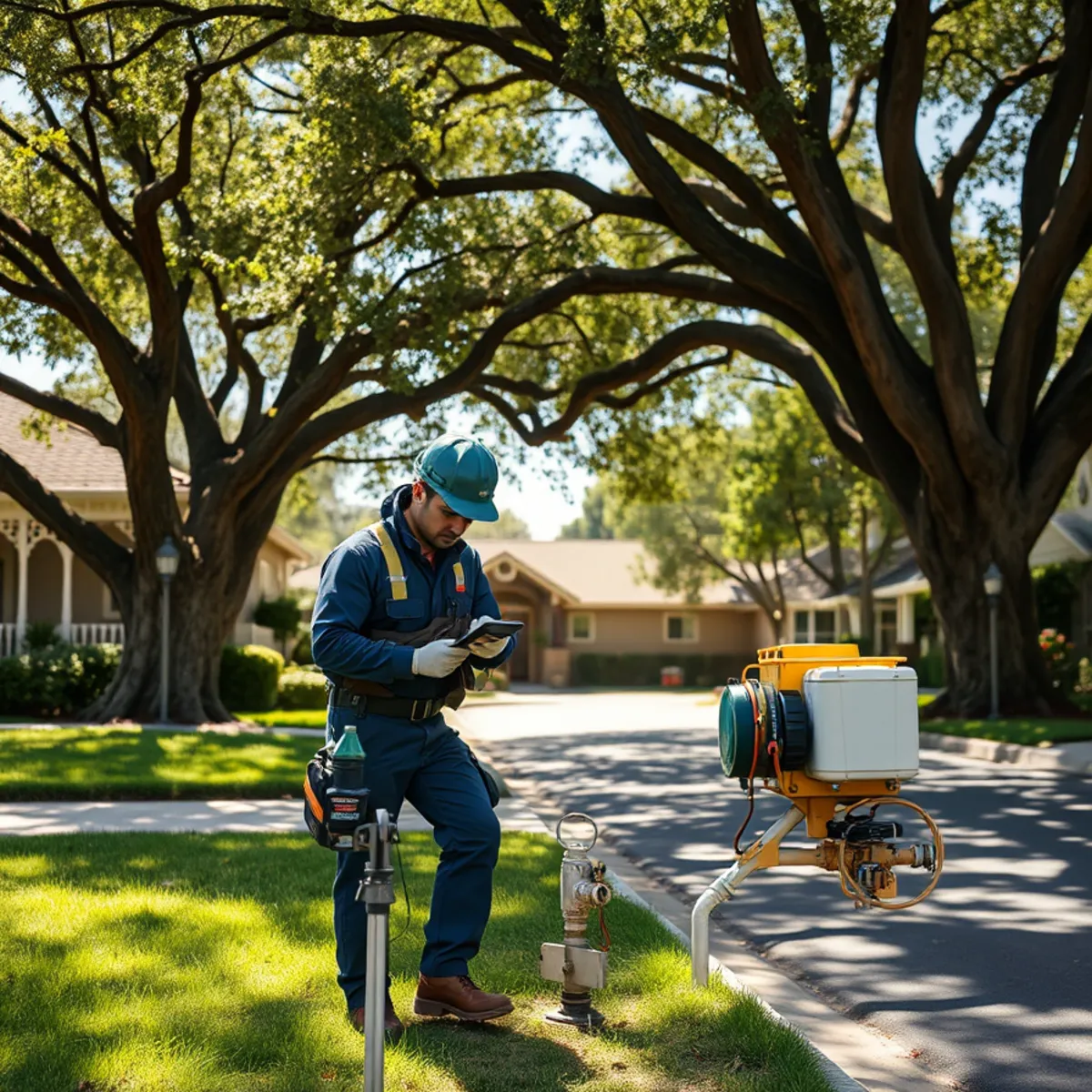
Chapman Woods sits in the established central-eastern part of the city, seven to twelve minutes from our base.
It is a mature-canopy neighbourhood, and that canopy is the defining feature of the work we do here. Big trees plus old pipes is a combination with entirely predictable consequences.
Chapman Woods: 7–12 minutes · dispatch within 60 minutes
+1 (201) 277-9344Sewer laterals of this vintage were commonly vitrified clay tile in short sections with mortared or gasketed joints. The pipe itself lasts a long time; the joints do not.
Roots find moisture and nutrients, and a sewer joint offers both. Fine roots enter through a joint gap, thrive on what passes through, and thicken into a mat that catches solids and paper until the line restricts and eventually blocks.
The early symptoms come months before the blockage: drains that are slow across the whole house, gurgling from one fixture when another runs, and a toilet that overflows when the washing machine discharges. Those are all main-line symptoms rather than fixture symptoms.
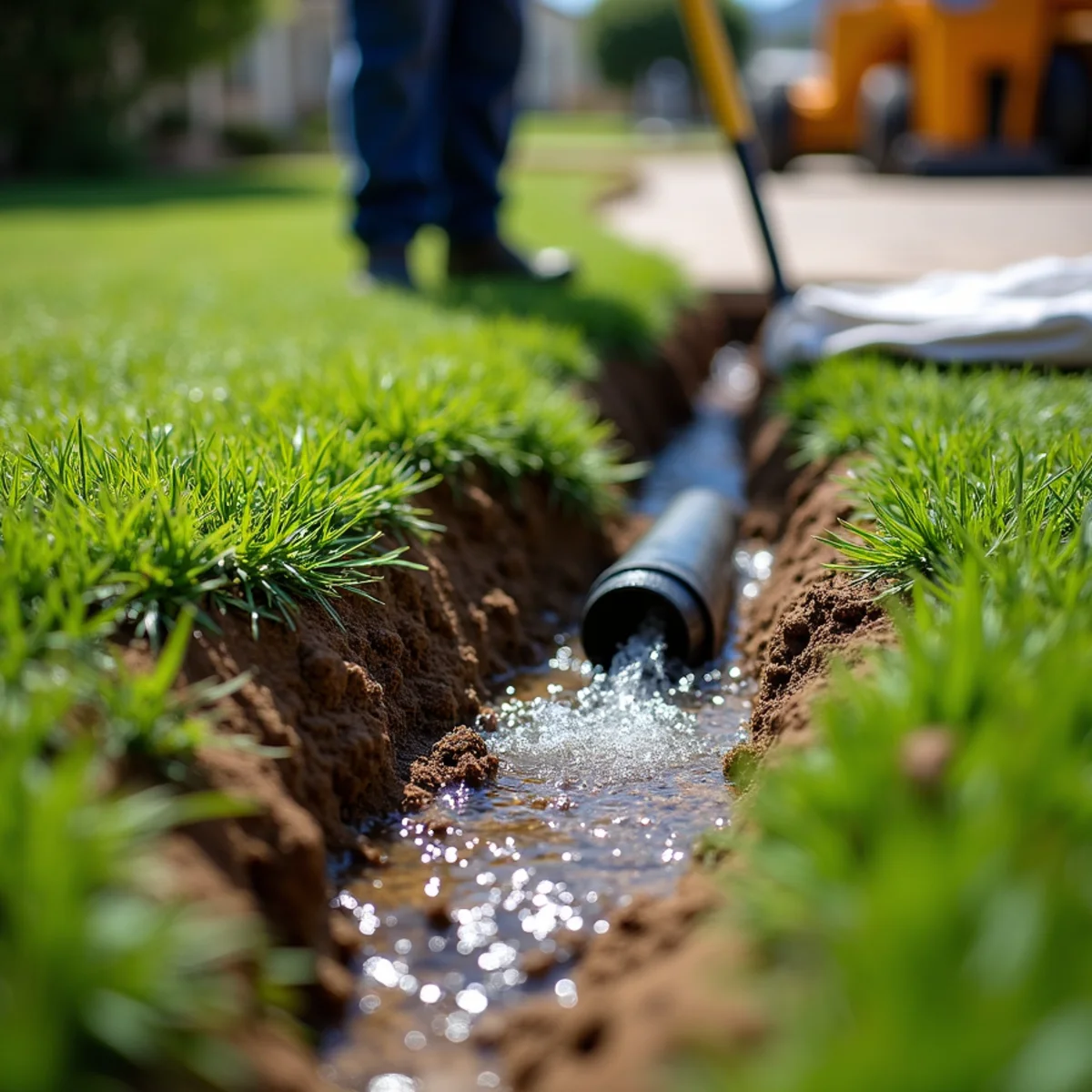
Irrigation is the second, quieter problem on established lots. Mature landscaping means substantial irrigation systems, often installed decades ago and extended piecemeal. A cracked lateral or a failed valve moves a large volume of water into the ground continuously, and because everything is planted nobody sees a soft spot for weeks. Where that saturation happens next to the foundation, it becomes a building problem.
The houses themselves are the standard mid-century Fullerton profile with slab-on-grade construction and copper at pitting age.
For sewer symptoms, the instruction is always the same first: stop using water in the house, particularly the washing machine, which discharges a large volume fast and pushes waste up through the lowest opening in the building. Once it has surfaced it is a Category 3 loss and gets handled as one — containment, extraction, removal of porous materials, cleaning before disinfection.
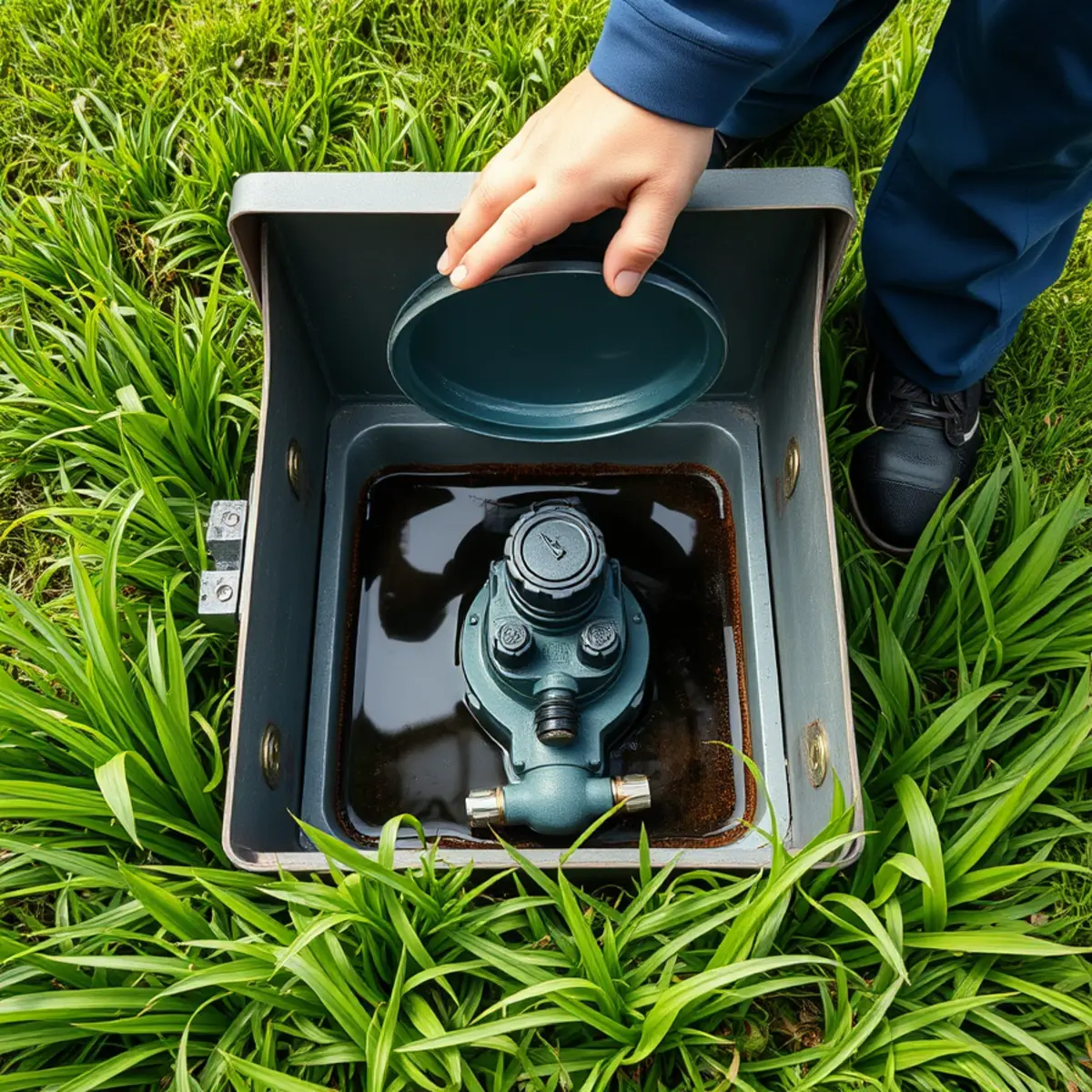
For an unexplained water bill, we start at the meter. Isolation testing with the house main closed separates a yard-line or irrigation problem from a building problem in about ten minutes, and on a lot with mature landscaping the answer is frequently outside the house. That is a much better outcome for the homeowner than opening a floor.
The preventive advice here is specific and worth repeating: if your street has large mature trees and your lateral is original, a camera inspection every few years costs a fraction of a single Category 3 cleanup. And check your irrigation controller and valves annually — a stuck valve running unnoticed is one of the highest-volume slow losses we find.
The scopes we run most often at this address type. Every one is available 24/7.
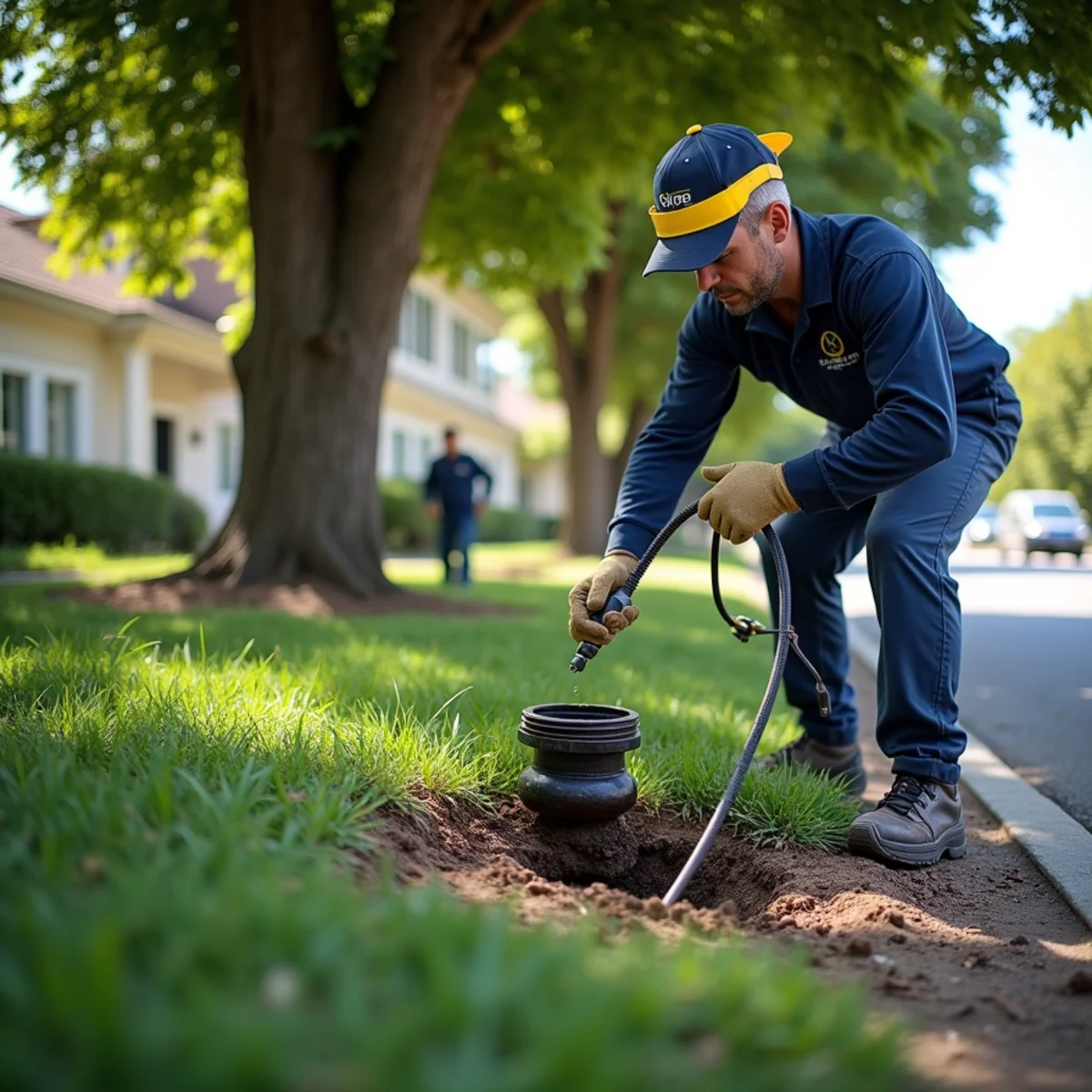
Category 3 black water is a biohazard. Containment, safe removal, disinfection to standard, and odour that actually stays gone.
Sewage Cleanup in FullertonThermal imaging, acoustic equipment and moisture mapping locate the leak before we open anything — one small repair, not an exploratory demolition.
Leak Detection in FullertonContainment, HEPA filtration, source removal and independent clearance testing — plus fixing the moisture that caused it.
Mold Remediation in FullertonFullerton's most common hidden loss. Detection, plumber coordination, slab drying and full restoration on one file.
Slab Leak Damage in FullertonBalanced air movers and dehumidifiers, daily moisture logs, and a documented dry standard — so nothing is left wet behind the wall.
Structural Drying in FullertonEstablished lots with mature canopy: root intrusion below ground and irrigation leaks that hide in planted beds.
From our S Raymond Ave base, dispatched inside the hour.
On a landscaped Chapman Woods lot the answer is frequently irrigation rather than the house, which is far better news for your floors.
Old clay laterals under sixty-year-old trees. Multiple slow drains means main line, and we act on it before it surfaces.
A camera inspection every few years costs a fraction of one Category 3 cleanup on this housing stock.
If one fixture is slow, it is usually that fixture. If several are slow, or one gurgles when another runs, or a toilet overflows when the washing machine drains, the restriction is in the main line. In a mature-canopy neighbourhood with original clay laterals, that means root intrusion until proven otherwise.
On an established lot with mature landscaping, check irrigation first. A cracked lateral or a stuck valve moves a great deal of water into planted ground where nobody sees it. A meter isolation test with the house main closed tells us in minutes whether the water is leaving before or after the house, which separates a yard problem from a building problem.
They rarely break clay pipe outright — they exploit the joints between sections. Fine roots enter a joint gap, feed on what is passing through, and thicken into a mat that catches everything. The pipe stays intact while the line becomes functionally blocked, which is why camera inspection is the only reliable way to know what you have.
We handle everything the water touched — containment, extraction, material removal, cleaning, drying and the rebuild. Clearing or relining the lateral itself is plumbing work and we coordinate a licensed plumber for it, billed by them directly. On Chapman Woods lots that repair conversation usually turns into a lining-versus-replacement decision, and the camera footage is what you should be making it on.
We cover Chapman Woods alongside the surrounding neighbourhoods and cities.
Established 1960s family tracts; mature oak and sycamore canopy over original clay-tile sewer lines.
Cal State Fullerton student-housing district; high rental turnover, shared housing, and frequent appliance-overflow jobs.
Historic 1920s–30s homes near the old Pacific Electric lemon-packing district; the oldest plumbing in central Fullerton.
A mix of 1940s–50s ranches and 1960s–70s tracts; older sewer laterals and mature landscape root intrusion across two construction eras.
Mid-century homes on elevated terrain; our 1500 S Raymond Ave base sits in this orbit, making it our single fastest response area.
Root intrusion announces itself months in advance. Most people hear the warning and put it down to old plumbing.
Read the guideCrews dispatched within 60 minutes — on-site in 60–90 minutes. Fullerton Water Damage Pros · 1500 S Raymond Ave, Fullerton, CA 92831 · +1 (201) 277-9344.