Ceiling Leaking During a Storm? What to Do in the Next 30 Minutes
A stained ceiling can wait until morning. A bulging one cannot — it is holding weight and it fails all at once. Here is how to tell the difference and what to do.
Read the guide24/7 emergency line — crews dispatched within 60 minutes
1500 S Raymond Ave, Fullerton, CA 92831

10–16 minutes from our Fullerton base
Coyote Hills sits on the northwestern side of the city around the golf course and the open space, ten to sixteen minutes from our base.
It carries the highest combined water exposure of any Fullerton neighbourhood: creek corridor proximity, slope drainage, and expansive clay soils, all in one place.
Coyote Hills: 10–16 minutes · dispatch within 60 minutes
+1 (201) 277-9344The first is the corridor. Coyote Creek is managed as a flood control channel, and the system performs well for the storms this region typically receives. It gets tested by atmospheric river events — several inches in 24 to 48 hours onto already-saturated ground. Properties nearest the corridor are the first to feel that.
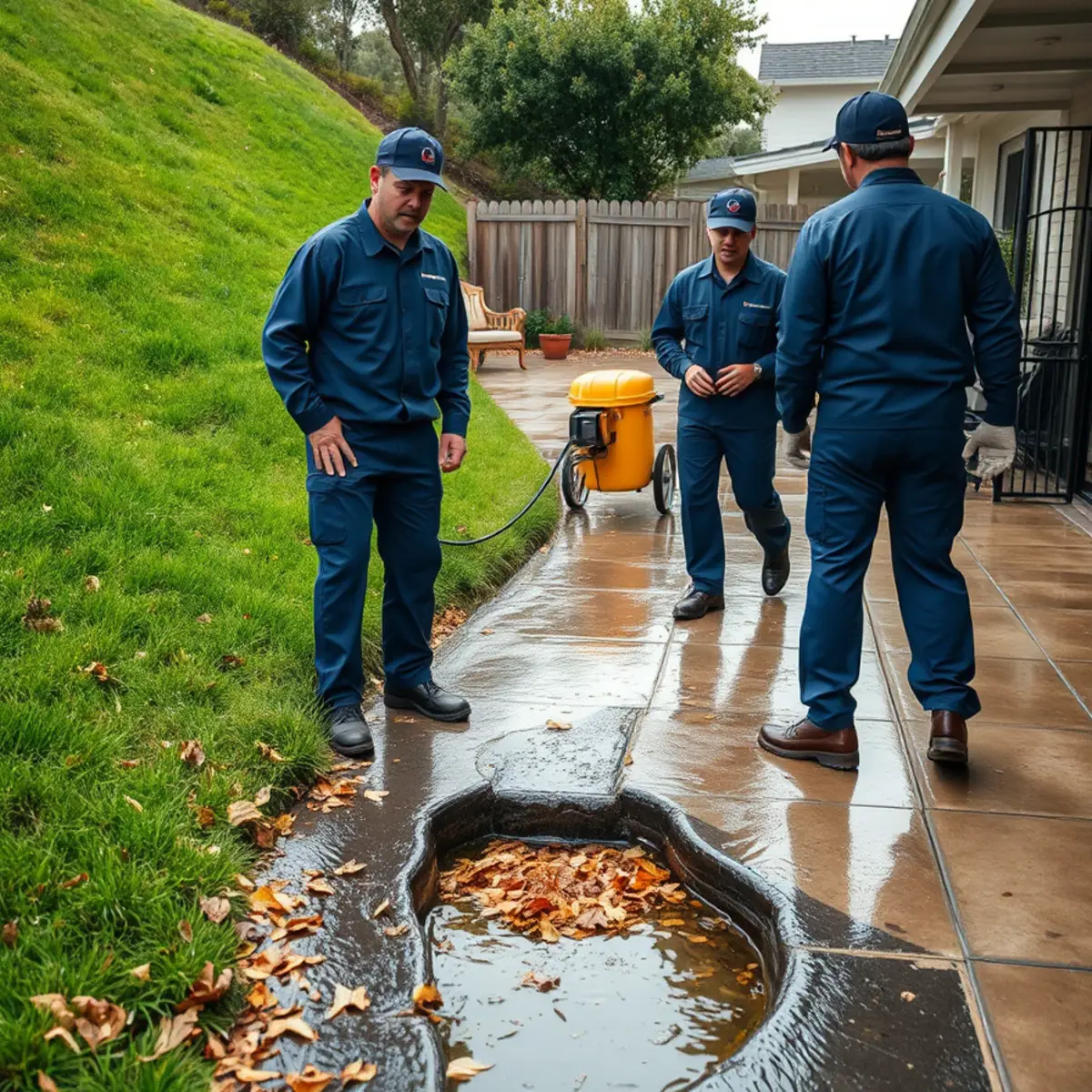
The second is topography. This is not flat ground. Homes below slopes and adjacent to open space receive sheet flow during heavy rain, and the swales, area drains and subdrains that intercept it silt up quietly over the years. Open space also means more organic debris washing into drainage during a storm, which is what blocks it at the worst moment.
The third is soil. Expansive clay swells through a wet winter and shrinks through a dry summer, and that annual cycle stresses slabs and abrades the copper supply lines running through them. Sloping ground makes the movement uneven, which is worse.
In practice that means a Coyote Hills property can be dealing with storm intrusion from outside and a slab leak from inside in the same season, from entirely unrelated causes.


Coyote Hills is one of the corridors we stage equipment for ahead of forecast storms rather than reacting to afterwards. Between November and March, when a significant system is coming, this neighbourhood is on the list.
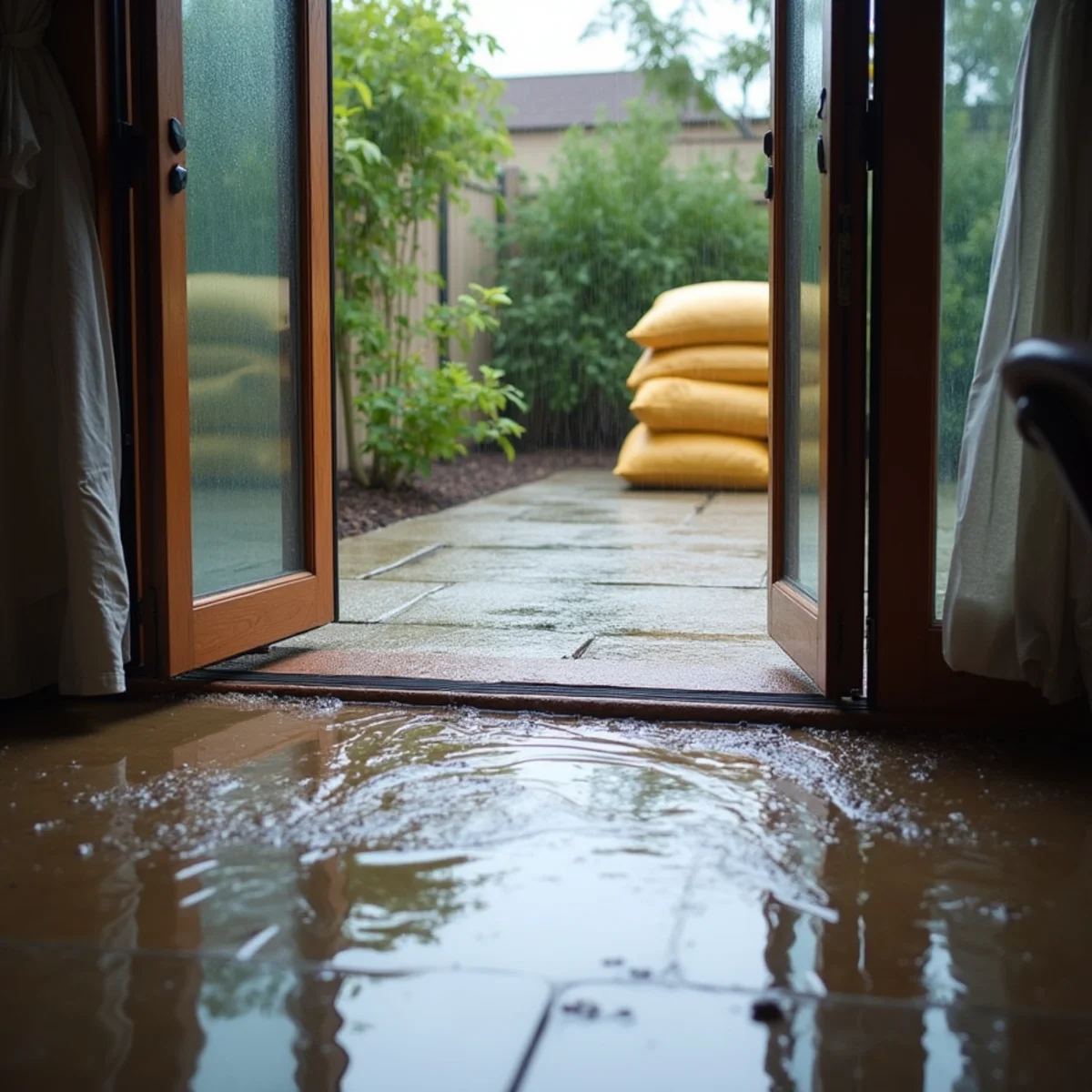
Water that arrives from outside is contaminated by definition — it has crossed streets, landscaping and open ground before it reached a threshold — so it is handled as a Category 3 loss. Containment, removal of porous materials that absorbed it, cleaning before disinfection, then drying and verification.
The coverage point matters more here than almost anywhere else in the city and it catches homeowners every winter: a standard homeowners policy covers sudden internal water damage and generally excludes flood, meaning surface water entering from outside. That needs separate coverage. If you live near the corridor, find out what you actually hold before November rather than after a storm.
The unglamorous preparation is what works: clear area drains and swales before the season, extend downspout discharge away from the structure, and keep gutters clear through the wind months so the first storm does not back water under the roof.

The scopes we run most often at this address type. Every one is available 24/7.

Storm water and overflow floods are contaminated by definition. We extract, remove what cannot be saved, disinfect and dry.
Flood Cleanup in FullertonEmergency tarping and board-up first, then extraction, drying and repairs — with the wind-versus-flood documentation your claim depends on.
Storm Damage in FullertonFullerton's most common hidden loss. Detection, plumber coordination, slab drying and full restoration on one file.
Slab Leak Damage in FullertonPump-out, sub-area drying and vapour barrier work — the space nobody looks at until the whole house smells.
Basement & Crawl Space in FullertonA real person answers at 3 a.m. Crews dispatch within 60 minutes, on-site in 60–90, with extraction gear on the first truck.
Emergency Water Removal in FullertonThree water risks stack in this one neighbourhood — creek corridor, slope runoff and expansive clay — and they need different responses.
Coyote Hills is on the list we position equipment for ahead of forecast systems between November and March.
From our S Raymond Ave base, dispatched within 60 minutes at any hour.
Water off open space and streets is Category 3. Porous materials come out rather than being dried and hoped for.
Clear area drains and swales, extend downspouts, and check your flood coverage in October rather than January.
No, in two ways that both matter. It is contaminated — it crossed streets and landscaping first — so it is treated as a Category 3 loss with material removal rather than simple drying. And it is generally excluded from a standard homeowners policy as flood, where a burst pipe would be covered.
Clear your area drains and swales, extend downspout discharge well away from the foundation, and clear gutters and valleys of debris after the wind months. On a property near open space, debris blocking drainage at the peak of a storm is the most common way water ends up at a threshold.
It is worth finding out where your specific parcel sits on the FEMA flood map, because exposure varies street by street in Coyote Hills. What is certain is that your standard homeowners policy will not cover surface water entering from outside — that requires separate NFIP or private flood coverage, and it carries a waiting period, so it is a decision to make before the season rather than during a storm.
Yes — extraction, drying, demolition and the full rebuild on one file. On Coyote Hills storm losses the rebuild usually means insulation, flood-cut drywall, base and flooring, and because the water was Category 3 the materials that came out cannot simply go back without the cavity being verified dry first. Same team, same readings, no handoff.
We cover Coyote Hills alongside the surrounding neighbourhoods and cities.
Newer construction on former oil-field land; new-build component failures plus graded-slope drainage on engineered fill.
1960s–70s slab-on-grade tracts toward the Anaheim and Placentia borders; flat terrain on expansive clay that relies entirely on street drainage.
2000s–2010s master-planned community near downtown; newer homes with builder-grade components now in their first repair window.
1960s–70s view homes on elevated terrain; wind-driven rain penetration and expansive clay-soil foundation cracks.
A mix of 1940s–50s ranches and 1960s–70s tracts; older sewer laterals and mature landscape root intrusion across two construction eras.
A stained ceiling can wait until morning. A bulging one cannot — it is holding weight and it fails all at once. Here is how to tell the difference and what to do.
Read the guideWater from inside is covered. Water from outside is not. That single line catches Fullerton homeowners every winter — here is what to do about it before November.
Read the guideCrews dispatched within 60 minutes — on-site in 60–90 minutes. Fullerton Water Damage Pros · 1500 S Raymond Ave, Fullerton, CA 92831 · +1 (201) 277-9344.