
Problem Solving6 min read
Why Your House Still Smells Musty After the Water "Dried"
That smell is microbial growth producing gas. It is not an odour problem — it is a moisture problem that has not been found yet.
Read the guide24/7 emergency line — crews dispatched within 60 minutes
1500 S Raymond Ave, Fullerton, CA 92831

9–15 minutes from our Fullerton base
North Fullerton covers a broad band across the upper half of the city, nine to fifteen minutes from our base.
It is the most mixed area we work in Fullerton, with 1940s and 1950s ranch houses on one street and 1960s and 1970s tract housing on the next. Two construction eras, two failure profiles, sometimes within a block of each other.
North Fullerton: 9–15 minutes · dispatch within 60 minutes
+1 (201) 277-9344The older ranches came from the tail of the galvanized period. Where original supply survives, it is corroding from the inside with the familiar warning signs — rusty morning water, declining pressure, corrosion at threaded joints. Most have been partially repiped, which creates dissimilar-metal joints that fail preferentially.
These houses also frequently have raised foundations with crawl spaces rather than slabs, which is a genuinely different restoration environment. A leak into a crawl space can run for months without anyone noticing, and the first sign is usually a musty smell in the house or a cold, slightly springy floor.
The newer tract streets are the standard slab-on-grade story: original copper pitting from hard water, expansive clay movement, and slab leaks announcing themselves as warm spots on the floor.
What both eras share is age of sewer laterals. Clay tile from the 1940s through the 1960s, mature street trees planted at the same time, and six decades for roots to find the joints. Root intrusion is the connective tissue between the two profiles.
The northern edge of the area also sits nearer the Coyote Creek corridor and the drainage from the higher ground above it.
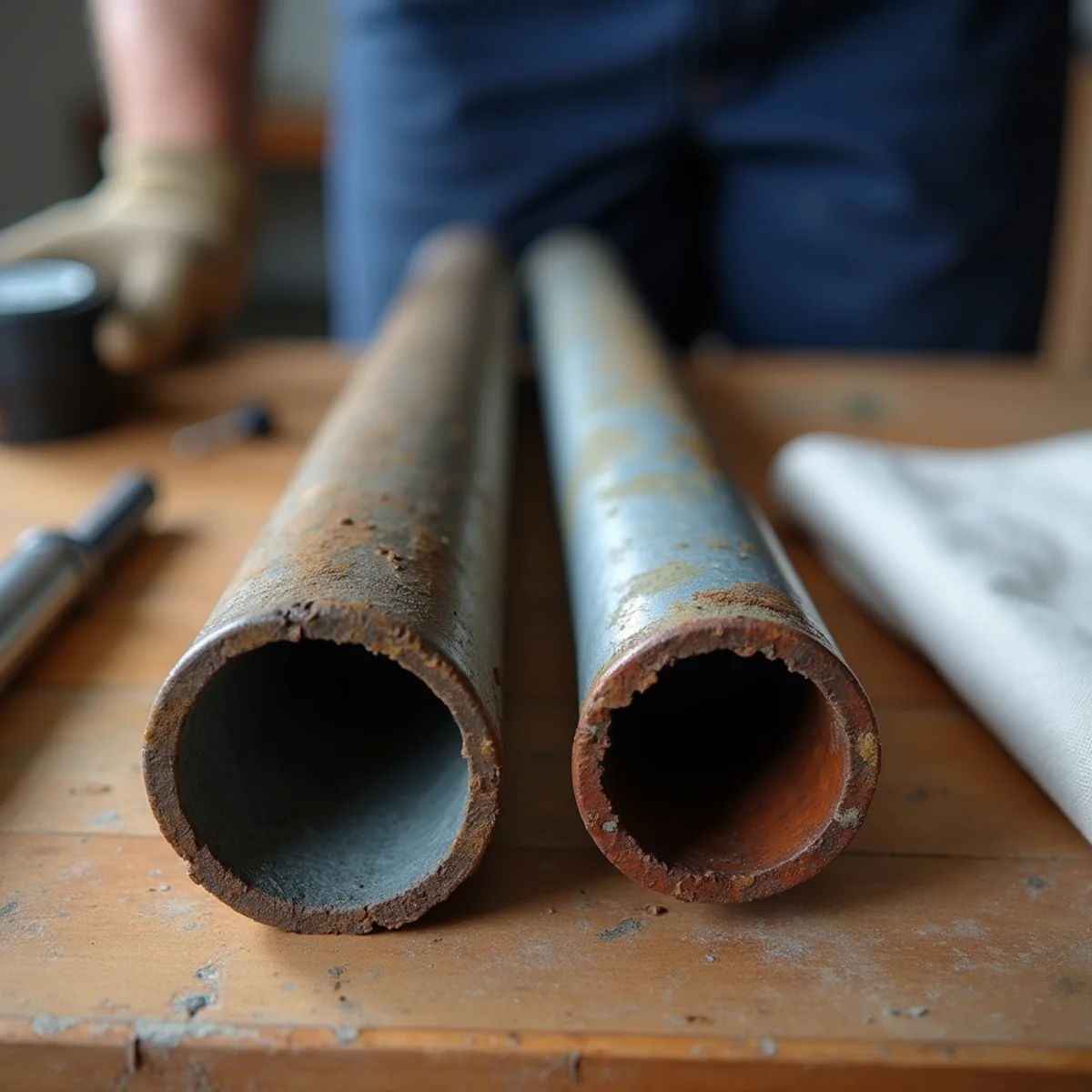
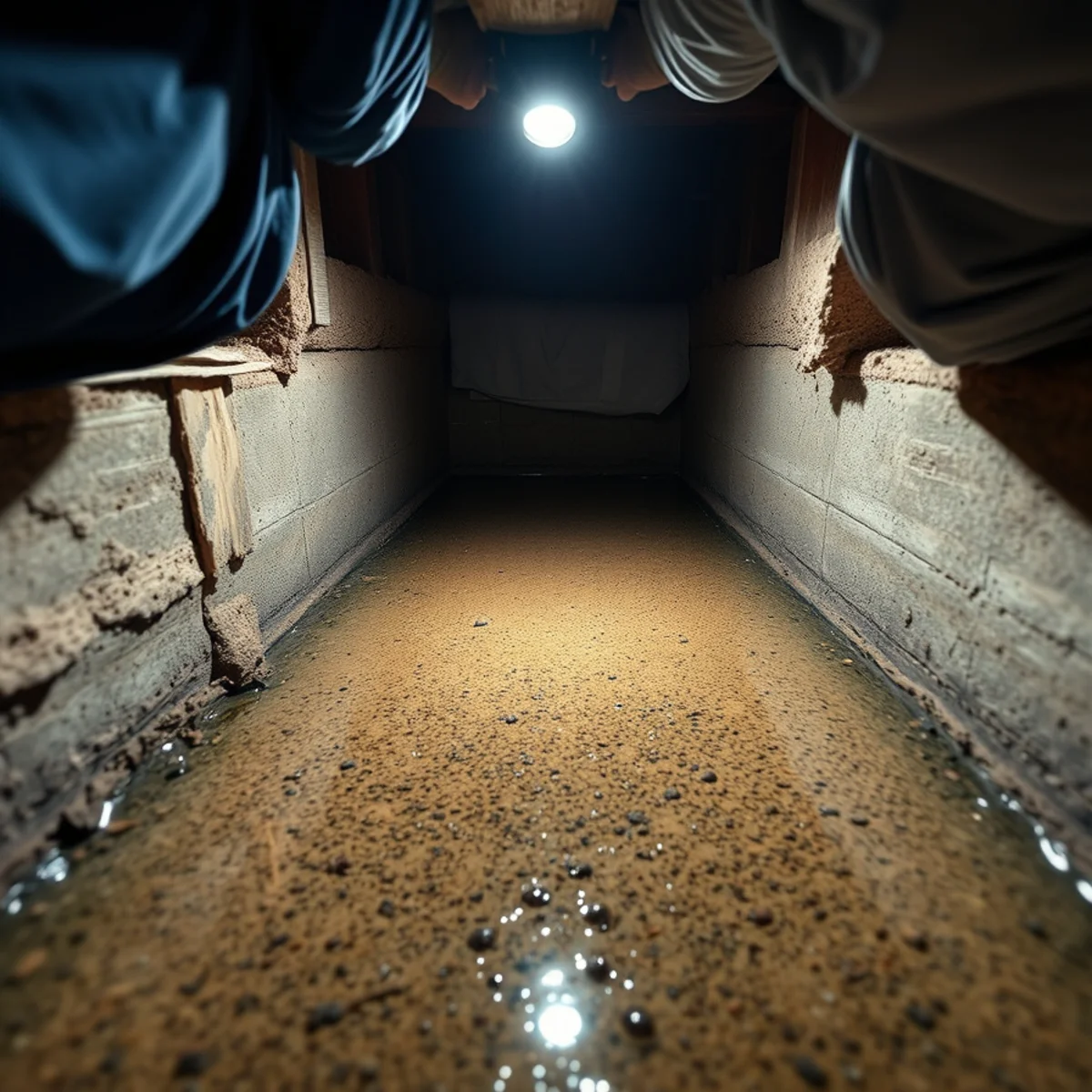
The first thing we establish on a North Fullerton call is the foundation type, because it changes everything. A slab house and a raised-foundation house with a crawl space are different jobs with different equipment, different drying strategies and different failure histories.
Crawl space losses are the ones that get missed. Nobody goes under the house, so a supply leak or a drain failure can run for a long time, saturating insulation, growing mold on the underside of the subfloor and pushing that air up into the living space through stack effect. When we get a call about a musty house with no visible source in this area, the sub-area is the first place we look.
On the slab streets it is the standard early-warning conversation: warm spot, water bill, running water heard with everything off.
And across both, if the street has big mature trees and the lateral is original, a camera inspection every few years is a small cost against a Category 3 backup.
The scopes we run most often at this address type. Every one is available 24/7.
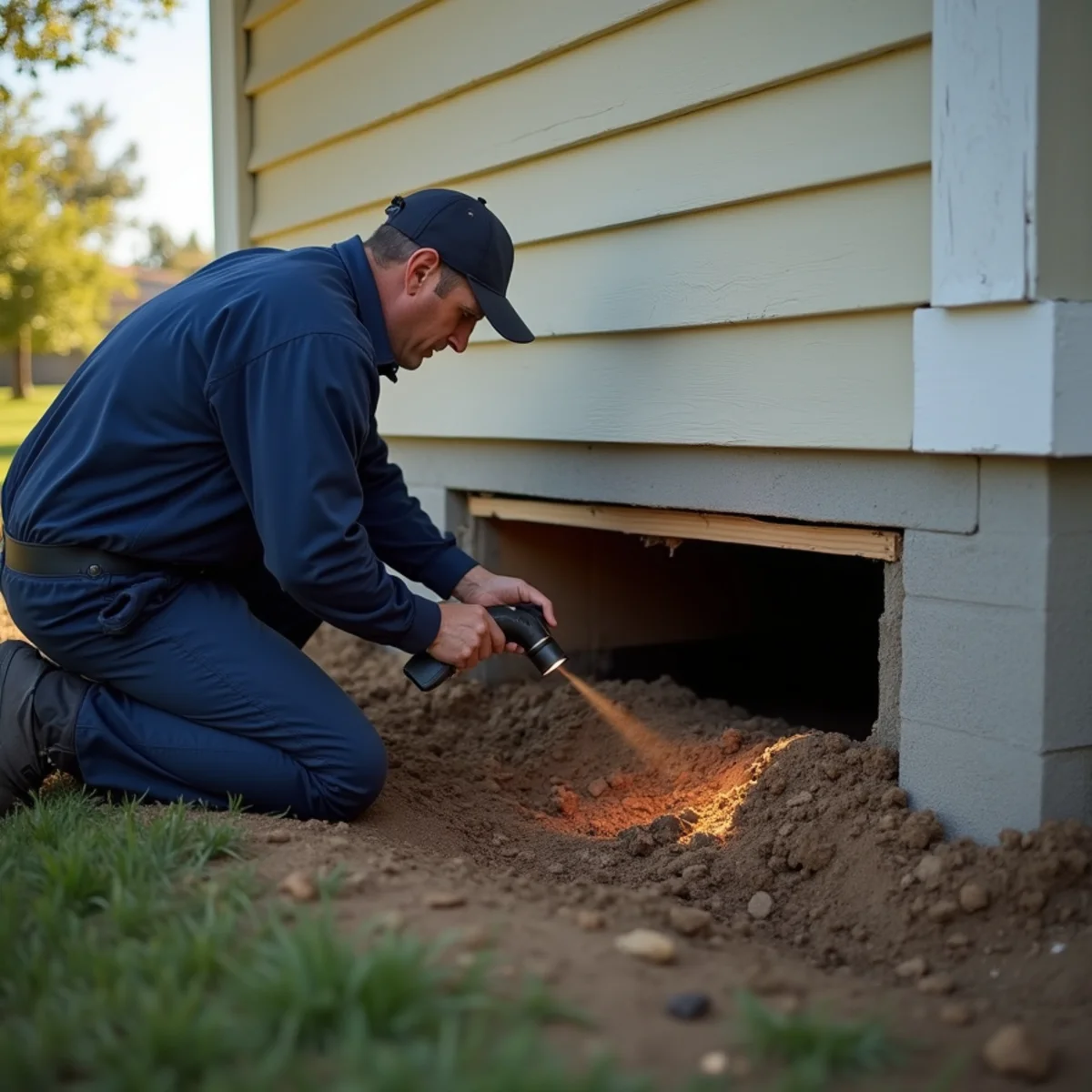
Pump-out, sub-area drying and vapour barrier work — the space nobody looks at until the whole house smells.
Basement & Crawl Space in FullertonCategory 3 black water is a biohazard. Containment, safe removal, disinfection to standard, and odour that actually stays gone.
Sewage Cleanup in FullertonFrom the shut-off to the finished wall: extraction, drying, plumber coordination and reconstruction on one file.
Burst Pipe Cleanup in FullertonFullerton's most common hidden loss. Detection, plumber coordination, slab drying and full restoration on one file.
Slab Leak Damage in FullertonContainment, HEPA filtration, source removal and independent clearance testing — plus fixing the moisture that caused it.
Mold Remediation in FullertonThe most mixed area in the city, where the first thing that matters is which foundation type you have.
A slab house and a raised-foundation house with a crawl space are different jobs with different equipment and different failure histories.
Nobody goes under the house, so a leak can run for months. A musty smell with no visible source sends us to the sub-area first.
1940s and 1950s galvanized in the ranches, 1960s and 1970s copper in the tracts, and root intrusion connecting both.
From our base, with crews dispatched inside the hour.
If you have a raised foundation, the crawl space. Air moves upward through a house, so a meaningful share of what you breathe on the ground floor came up from under it first. A leak or standing water under the house saturates insulation and grows mold on the subfloor, and a musty smell with no visible source is the classic symptom.
Different rather than worse, but it usually runs longer because nobody goes under the house. That means more saturated insulation, more mold on the joists and subfloor, and sometimes structural concerns at the mudsill and post bases. Slab leaks announce themselves sooner, usually as a warm floor spot.
Look for a crawl space access door on an exterior wall or in a hallway closet, and check whether there are foundation vents around the perimeter — both indicate a raised foundation. A slab house sits low with no vents and no access hatch. It is worth knowing before you need it, because it changes what we look for.
It turns almost entirely on access. Working on your back in eighteen inches of clearance is slow, and slow is expensive — the materials are a small part of it. We will not quote it before looking, but we will tell you on site what the clearance means for the number, and whether a vapour barrier and drainage correction would stop you paying for this again in two winters.
We cover North Fullerton alongside the surrounding neighbourhoods and cities.
Established 1960s family tracts; mature oak and sycamore canopy over original clay-tile sewer lines.
Hillside custom homes on former citrus ranch land; the highest ground in Fullerton, with slope drainage, wind exposure and genuine freeze nights.
Historic 1920s–30s homes near the old Pacific Electric lemon-packing district; the oldest plumbing in central Fullerton.
1950s–60s post-war tracts; original slab-on-grade construction now at peak slab-leak and galvanized-pipe failure age.
1920s–40s historic core on the Fullerton Heritage register; the oldest plumbing stock in the city plus bar and restaurant commercial losses.
That smell is microbial growth producing gas. It is not an odour problem — it is a moisture problem that has not been found yet.
Read the guideThe pipe under your street is on the same ageing curve as the pipe under your house. Here is what that means practically, and who pays when it fails.
Read the guideCrews dispatched within 60 minutes — on-site in 60–90 minutes. Fullerton Water Damage Pros · 1500 S Raymond Ave, Fullerton, CA 92831 · +1 (201) 277-9344.