24/7 emergency line — crews dispatched within 60 minutes

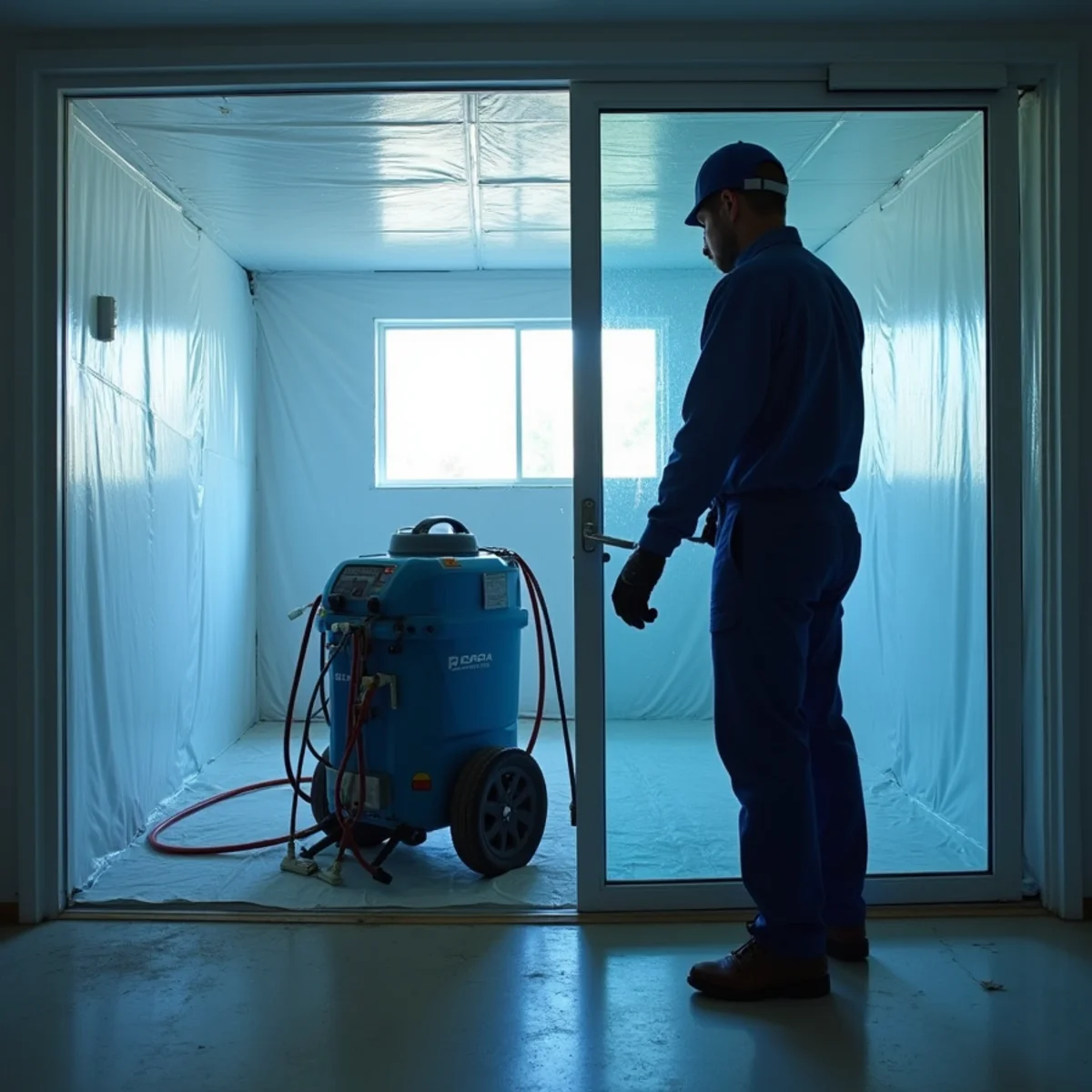
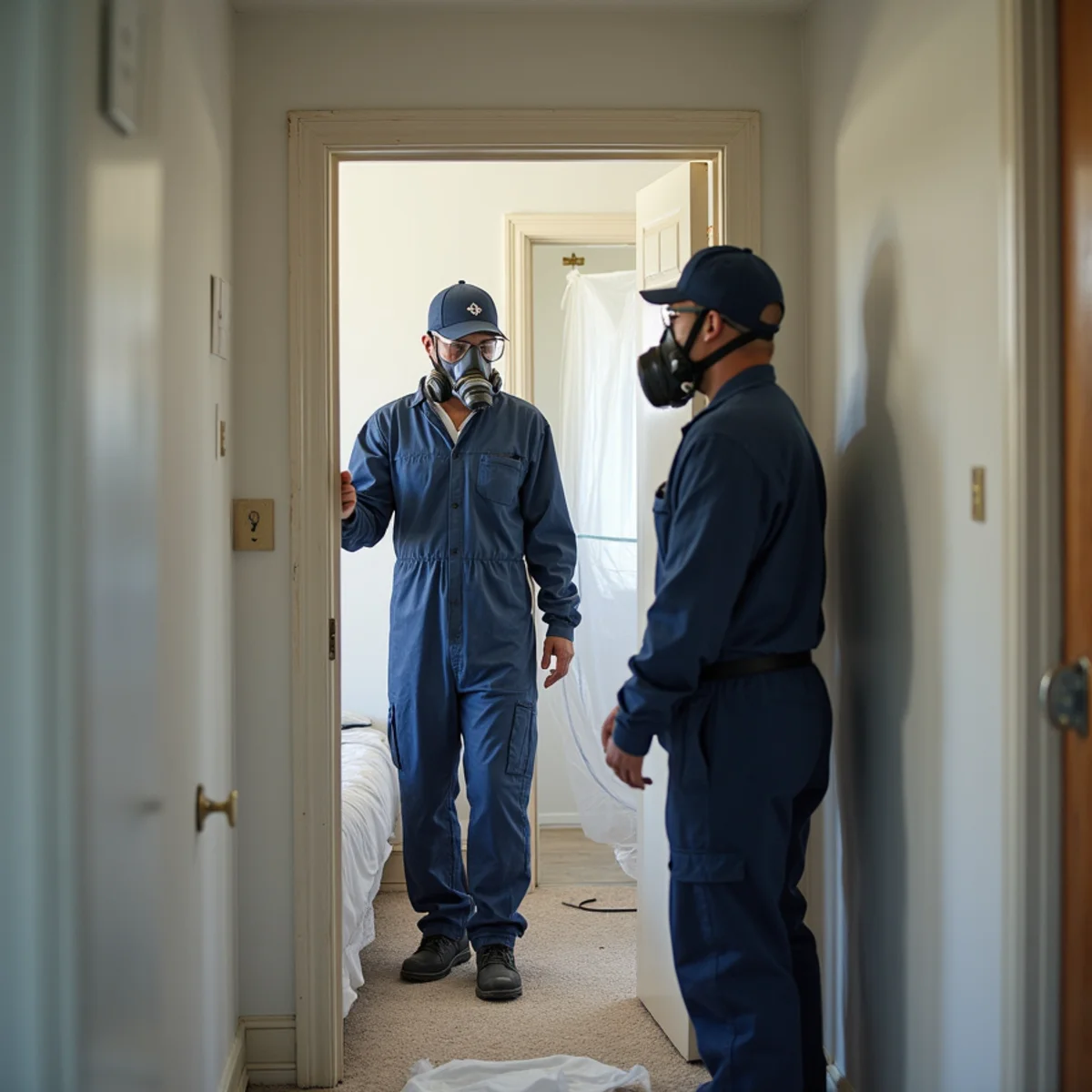
Mold remediation containment barrier and air scrubber set up in a Fullerton, CA home

Fullerton, CA

Mold Remediation in Fullerton, CA

Mold is a symptom. Something in the building is wet, or was wet and never dried, and until that is fixed the mold comes back no matter how thoroughly it is cleaned.

  • On-site in 60–90 minutes
  • IICRC-aligned · licensed & insured
  • Staged on 1500 S Raymond Ave

That is the difference between mold removal and mold remediation. Removal is scrubbing a surface. Remediation is containing the area, removing the colonised material, filtering the air, correcting the moisture source, and verifying the result.

We do the second one. We also tell you when you do not need us — a patch of mildew on bathroom grout from poor ventilation is a cleaning job, not a remediation job, and we will say so.

Crews dispatched within 60 minutes — on-site in 60–90 minutes

+1 (201) 277-9344

How To Tell You Have A Mold Problem

Mold is often behind a surface rather than on it. These are the reliable indicators:

  • A persistent musty, earthy smell — often the first and only sign of hidden growth
  • Visible growth on drywall, framing, ceiling tile, grout or the back of baseboard
  • Dark staining spreading on a ceiling or in a wall corner, especially an exterior corner
  • Anyone in the house with worsening congestion, cough, itchy eyes or asthma symptoms that improve when they leave
  • Water damage in the past that was never professionally dried and verified
  • Warping, bubbling or discolouration of drywall, paint or wallpaper
  • Condensation on windows, cold water pipes, or the inside of exterior walls
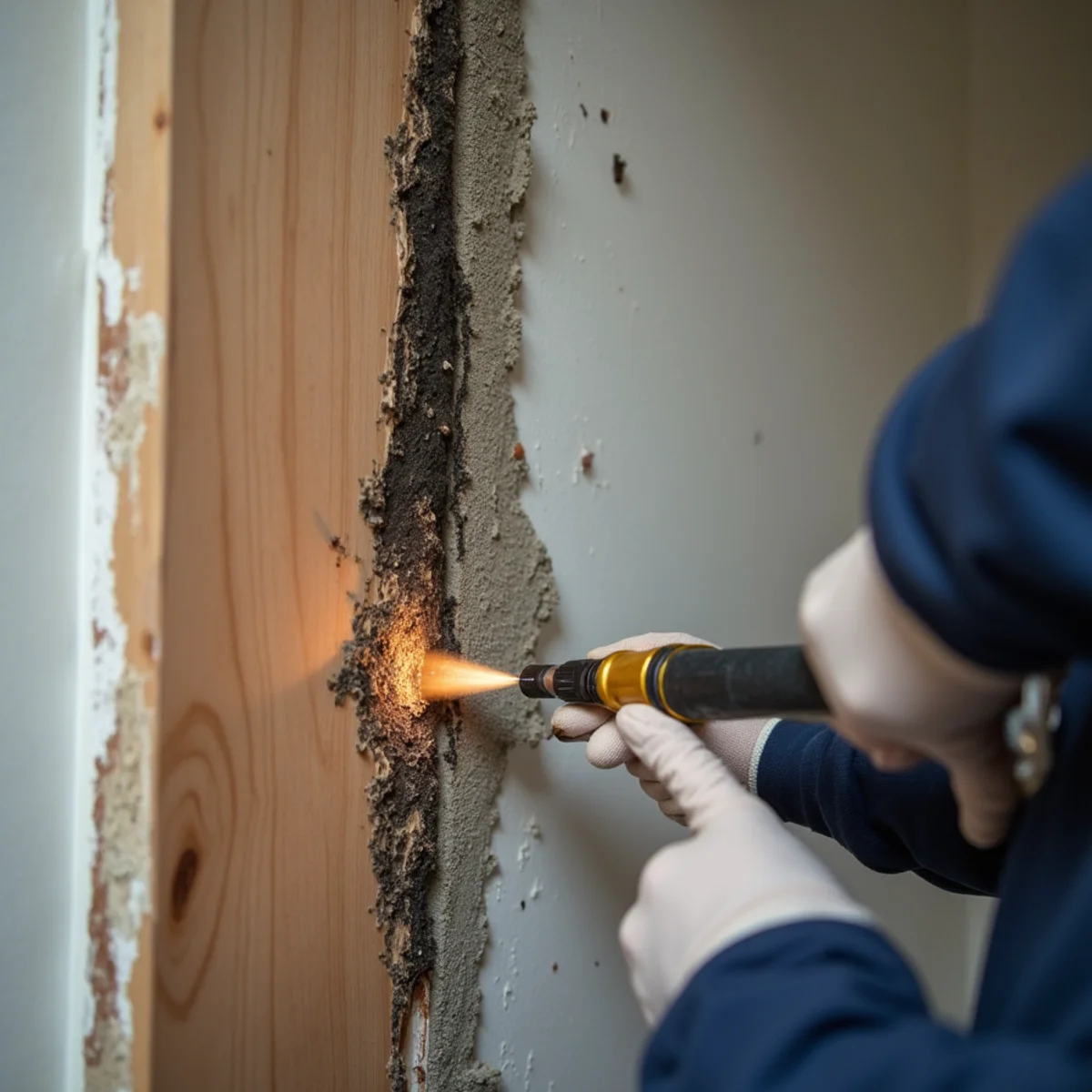
Mold growth found behind drywall after a water leak in a Fullerton home

What Mold Remediation Includes

Remediation is not surface cleaning with a stronger product. This is the scope, and the moisture correction is part of it rather than an optional extra:

Moisture source investigation
Thermal imaging, meters and where warranted a cavity inspection. If we cannot explain where the water is coming from, we are not ready to remediate.
Sealed containment with negative pressure
Barriers around the work area with HEPA-filtered machines maintaining airflow into the containment and never out of it.
HEPA air filtration throughout
Air scrubbers running during the work and for a period afterwards, capturing spores made airborne during removal.
Removal of colonised porous material
Drywall, insulation, carpet and ceiling tile cut out and bagged inside containment. Semi-porous framing is HEPA vacuumed and abraded rather than replaced.
Cleaning and antimicrobial treatment
Every remaining surface within containment HEPA vacuumed, wiped and treated. Dead mold still causes allergic response, so removal matters more than killing in place.
Drying and source correction
The building dried to a documented standard and the moisture cause repaired — plumbing, roofing, drainage or ventilation.
Independent clearance verification
For anything beyond a small area we recommend third-party post-remediation testing. We do not test our own work and call it a pass.

The 24 To 48 Hour Window

Mold spores are already in your house and in every house. They are inert until they get moisture. Give them a wet cellulose surface — drywall paper, wood, dust on any surface — at normal room temperature and colonisation typically begins within 24 to 48 hours.

That is why the response time on a water loss matters so much more than it sounds like it should. The difference between a crew arriving in 90 minutes and a homeowner waiting until Monday is very often the difference between a drying job and a remediation job.

In Fullerton the fastest growth we see is in closed-up rooms during a warm humid spell, in bathrooms without working exhaust, and in the wall cavities of houses where a slow slab leak has been feeding moisture into the bottom plate for months before anyone noticed.

How Remediation Works

The whole discipline is about not spreading spores through the rest of the building while you disturb them.

  1. Inspection and moisture source identification

    We find the water first. Thermal imaging, moisture meters and, where it is warranted, a cavity inspection. If we cannot explain where the moisture is coming from, we are not ready to remediate.

  2. Containment

    Sealed barriers around the work area, with negative air pressure maintained by HEPA-filtered machines so air flows into the containment and never out of it.

  3. Air filtration

    HEPA air scrubbers run throughout the work and for a period afterward, capturing spores made airborne during removal.

  4. Removal of colonised material

    Porous materials with growth — drywall, insulation, carpet, ceiling tile — are cut out and bagged inside containment. Semi-porous framing is usually cleaned rather than replaced, using HEPA vacuuming and abrasive methods.

  5. Cleaning and antimicrobial treatment

    Every remaining surface within containment is HEPA vacuumed and wiped, then treated. Dead mold still causes allergic response, so removal matters more than killing it in place.

  6. Drying and correcting the source

    The building is dried to a documented standard and the moisture cause is repaired — plumbing, roofing, drainage or ventilation. Skipping this step guarantees a repeat.

  7. Clearance verification

    For anything beyond a small area we recommend independent post-remediation verification by a third-party hygienist. We do not test our own work and call it a pass — that is a conflict of interest.

Black Mold, Honestly

Stachybotrys chartarum — the one people mean by 'black mold' — is real, it is greenish-black and slimy when wet, and it grows on continuously saturated cellulose materials like the paper on drywall.

It is also not the only dark mold, and colour alone tells you almost nothing. Cladosporium is very common, often dark, and usually far less concerning. Aspergillus and Penicillium show up in most water-damaged buildings in Orange County.

Here is the practical part: the remediation procedure is essentially the same regardless of species. Contain, filter, remove, clean, dry, fix the source. Species identification changes the urgency conversation and sometimes the medical advice, but it rarely changes the work. Be cautious of any company that leads with a scary species name before they have identified where the water is coming from.

  • HEPA air scrubber filtering air inside a mold containment in Fullerton

    HEPA air scrubber filtering air inside a mold containment in Fullerton

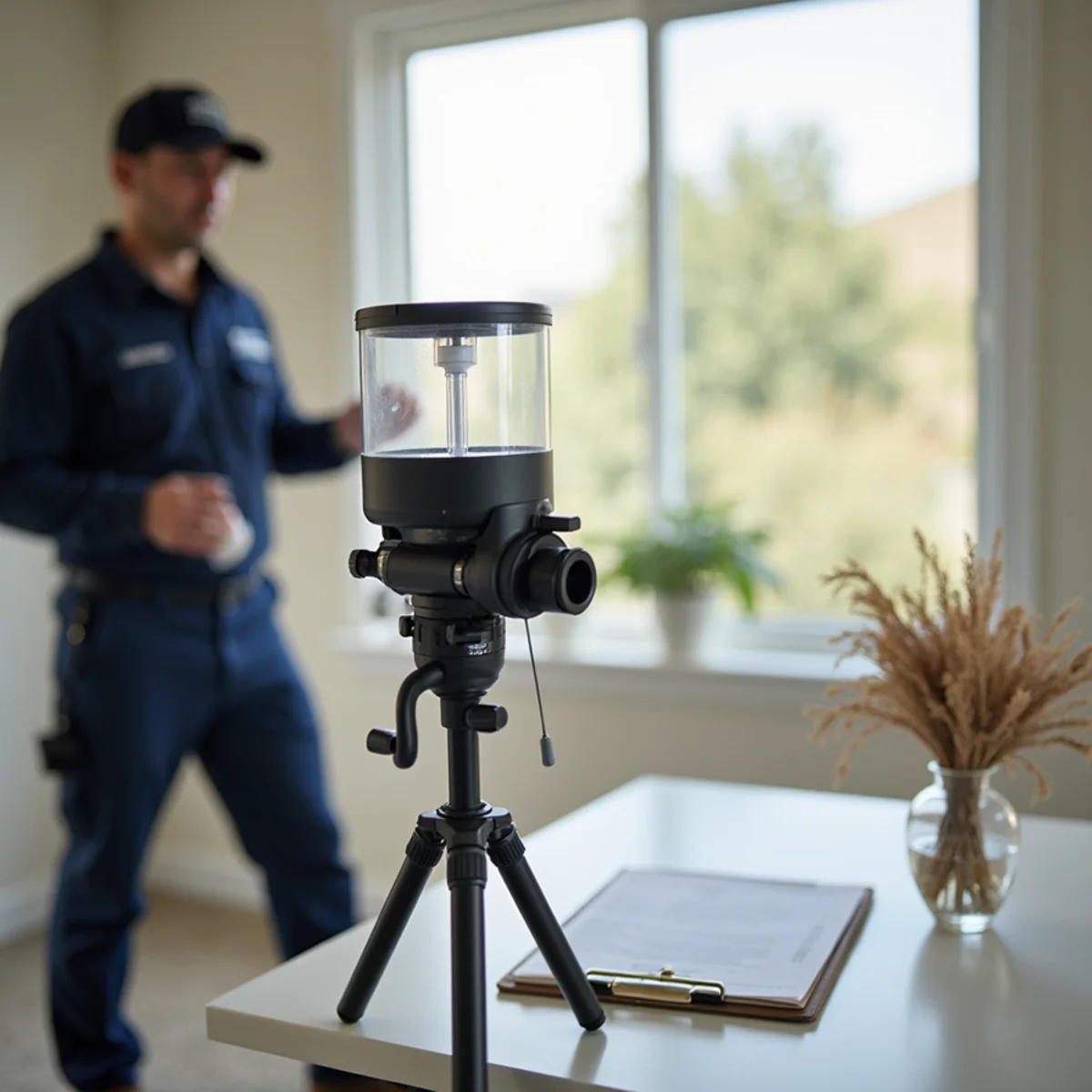
  • Independent clearance air sampling after mold remediation in Fullerton

    Independent clearance air sampling after mold remediation in Fullerton

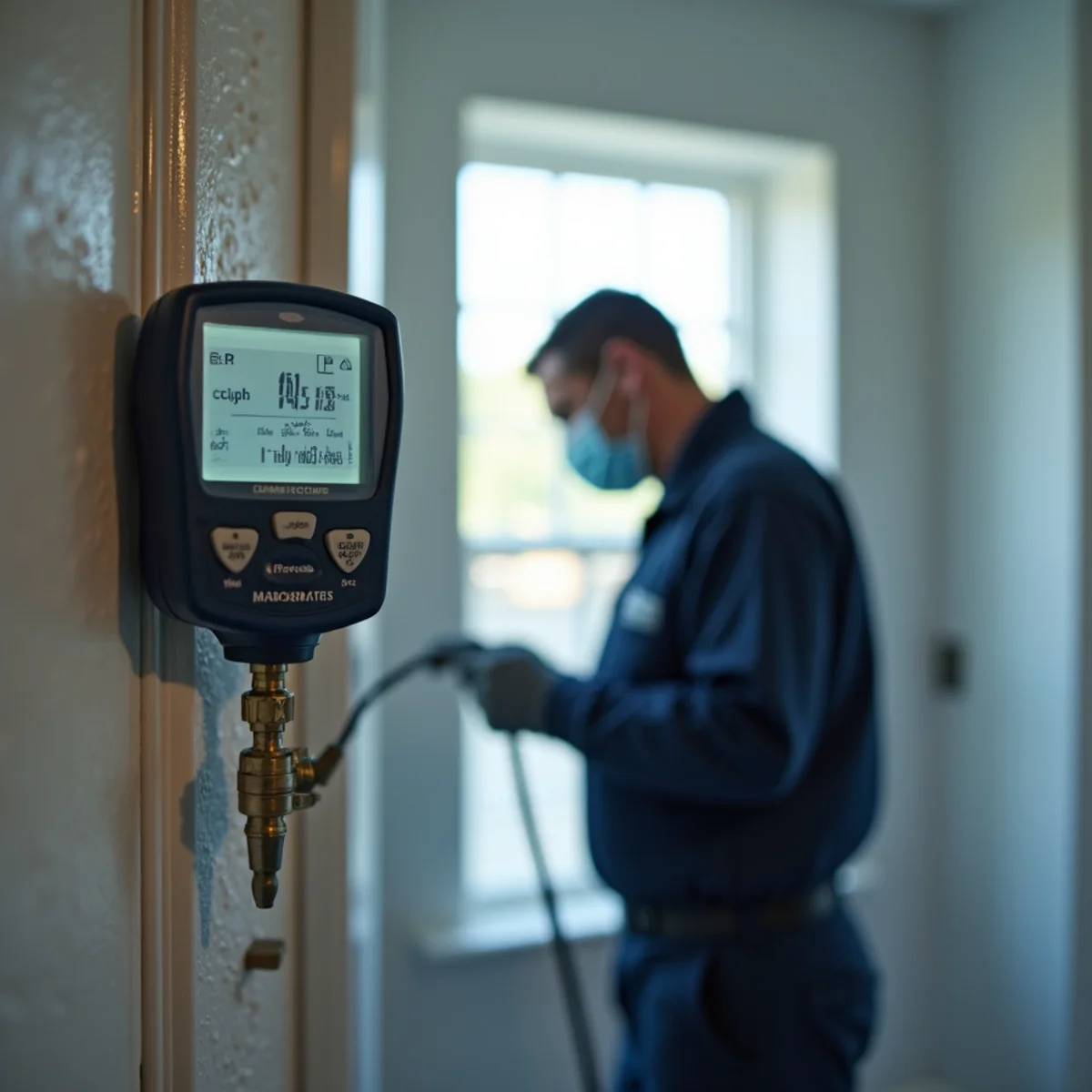
  • Manometer confirming negative pressure inside mold containment

    Manometer confirming negative pressure inside mold containment

  • Independent clearance sampling after mold remediation

    Independent clearance sampling after mold remediation

Why Our Mold Work Does Not Come Back

Mold is a symptom. Any company can remove what you can see; the question is whether the moisture that caused it is still there.

  • We find the water first

    No containment goes up until we can explain the moisture source. Remediating without correcting the cause is a service you buy twice, and we will say so before taking the job.

  • Third-party clearance, not self-certification

    We recommend an independent hygienist for post-remediation verification on anything sizeable. Testing your own work is a conflict of interest and we treat it as one.

  • Honest about scale

    Mildew on bathroom grout from poor ventilation is a cleaning job, not a remediation job, and we will tell you that rather than quote containment for it.

  • Species names are not a sales tool

    The procedure is the same regardless of what is growing. Be cautious of any company leading with a frightening species name before they have found the leak.

What Drives Mold Remediation Cost

Cost tracks the size of the containment and how much material has to come out, not the scariness of the mold. Main variables:

Affected square footage
A contained bathroom wall is a small job. A whole-crawl-space or multi-room colonisation is not.
Location and access
Crawl spaces, attics and inside wall cavities take longer and need more setup.
Materials involved
Drywall and insulation are removed; framing and concrete are usually cleaned in place.
Containment and equipment days
Barriers, negative air machines and HEPA scrubbers are billed per unit per day.
Independent clearance testing
Third-party sampling is a separate cost and is worth paying for on anything sizeable.
Repairing the moisture source
A slab leak repair, a roof repair or a drainage correction is a distinct scope from remediation.
Reconstruction
Putting back drywall, insulation, texture, paint and flooring.

Mold Remediation in Fullerton — Common Questions

It is a separate cap on fungi and mold coverage that sits inside your policy rather than alongside your main dwelling limit, commonly around ten thousand dollars. It is on the declarations page, usually listed under limited fungi or mold remediation coverage. It matters because a remediation with containment, demolition and clearance testing can approach that figure, and the mold cap applies even when the water loss that caused it is fully covered.

Where we provide mold remediation

Crews dispatch within 60 minutes across Fullerton and north Orange County.

Fullerton neighbourhoods

Nearby cities

All 60 service areas

Further Reading

Guides on this topic

Written for Fullerton property owners, with the local risk factors that actually apply here.

Need mold remediation in Fullerton right now?

Crews dispatched within 60 minutes — on-site in 60–90 minutes. We extract, dry to a documented standard, and hand your adjuster a file they cannot argue with.

  • 60-minute dispatch, anywhere in Fullerton
  • IICRC-aligned · licensed & insured
  • Direct insurance documentation
Call 24/7Free Estimate