24/7 emergency line — crews dispatched within 60 minutes

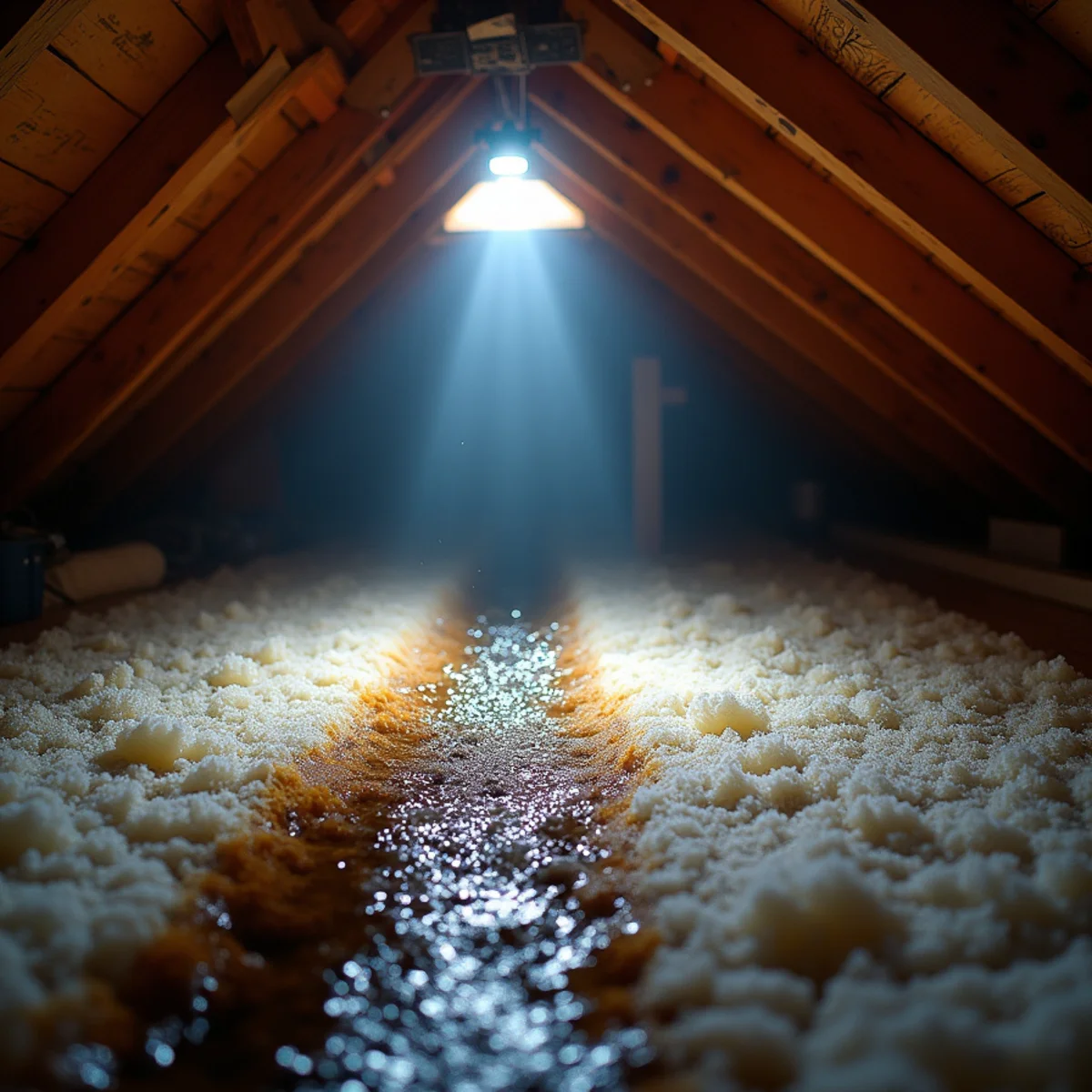
Roof leak water damage in the attic of a Fullerton, CA home after Santa Ana winds

Fullerton, CA

Roof Leak Water Damage Restoration in Fullerton, CA

A roofer stops the water coming in. That is a different job from restoring everything the water already reached, and the gap between those two scopes is where most roof-leak losses go wrong.

  • On-site in 60–90 minutes
  • IICRC-aligned · licensed & insured
  • Staged on 1500 S Raymond Ave

Roof water does not fall straight down. It runs along the top of the ceiling drywall, follows rafters, ducts and wiring, and shows up somewhere else entirely. It soaks attic insulation, which loses its R-value permanently and holds moisture against the ceiling for weeks.

We handle the interior side: tarping to stop the bleeding, attic assessment, insulation removal, structural drying and the repairs. We coordinate with your roofer, or bring in a licensed roofing contractor if you do not have one.

Crews dispatched within 60 minutes — on-site in 60–90 minutes

+1 (201) 277-9344

Signs Of A Roof Leak

Roof leaks are seasonal and intermittent, which is why they get ignored between storms:

  • A ceiling stain that appears or grows during rain and seems to dry between storms
  • Water stains high on an interior wall, or at the top of a wall-ceiling junction
  • Damp, matted or discoloured attic insulation
  • Dark staining, streaking or visible mold on the underside of the roof deck or on rafters
  • Daylight visible through the roof sheathing from inside the attic
  • Missing, cracked, slipped or lifted tiles or shingles after a wind event
  • Granules from composition shingles collecting in gutters or at downspout outlets
  • A musty smell in an upstairs room or a hall closet that shares a wall with the attic
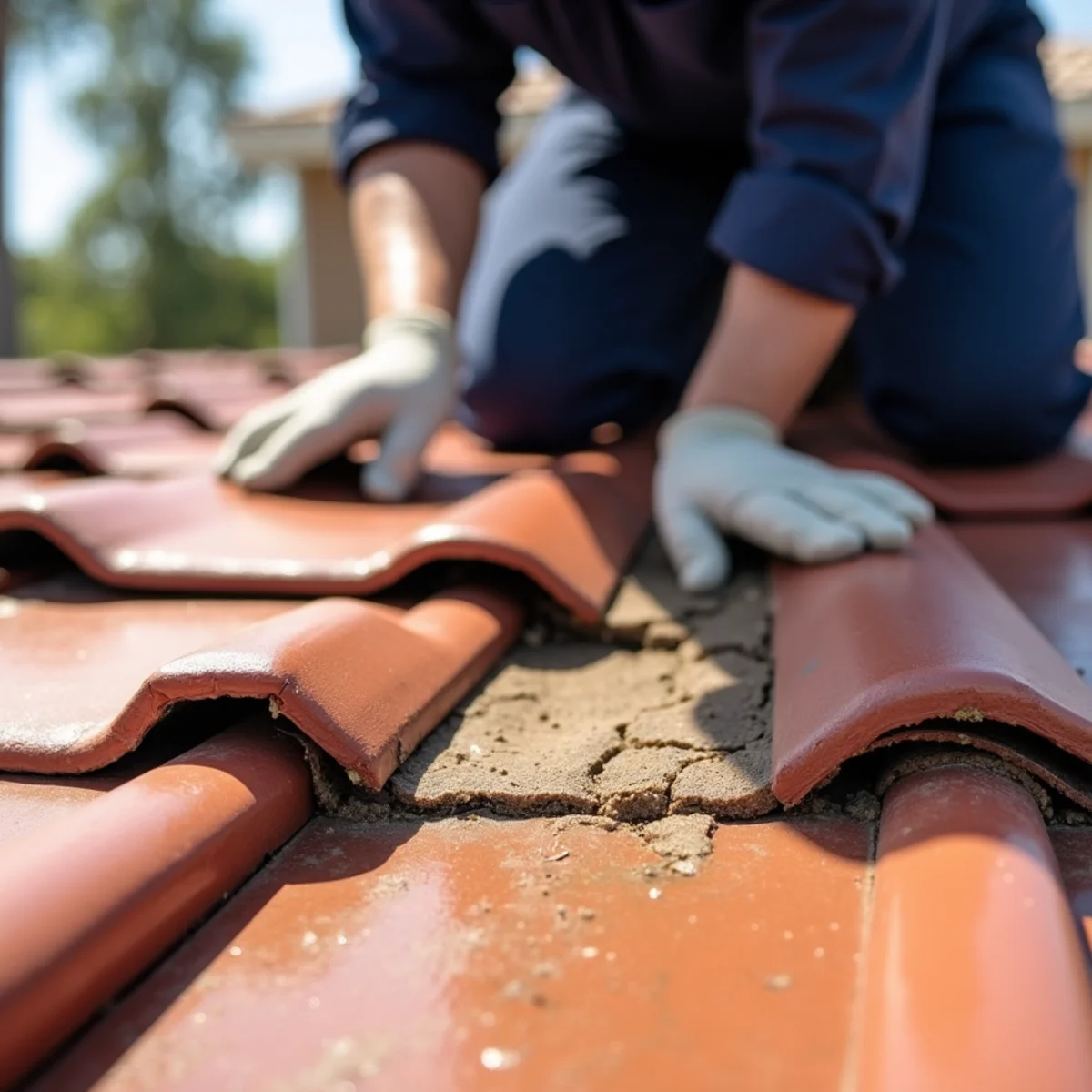
Aged underlayment failing beneath tile roofing on a Fullerton home

What Roof Leak Restoration Includes

The interior side of a roof leak — which is the part roofers do not do:

Emergency tarping
The compromised area secured so the loss does not grow with the next band of rain, documented with photographs showing the failure and not just the tarp.
Attic inspection and path tracing
Roof water runs along framing and ducts and appears well away from where it entered. We trace the actual path rather than working back from the stain.
Saturated insulation removal
Wet blown-in or batt insulation never recovers its R-value and holds moisture against the ceiling. It comes out and gets replaced at the end.
Assembly drying with readings
Airflow above and below the ceiling with moisture readings at the deck, rafters, top plate and ceiling drywall.
Roof deck mold treatment
Decks that stayed wet grow quickly in a warm attic. Contained cleaning and treatment where it is found.
Ceiling repair and texture match
Drywall, tape, matched texture, stain-blocking primer and paint, sequenced only after the roof is watertight.

Why Fullerton Roofs Leak

The pattern here is wind first, rain second. Santa Ana events between October and March lift and break the seal on tile and shingle roofs, often without any visible damage from the ground. Then the first real rain of the season finds every one of those gaps at once. That is why our roof-leak call volume spikes on the first significant storm rather than during the wind event itself.

Flashing is the second cause and it is remarkably consistent. Chimneys, skylights, vent stacks, and roof-to-wall transitions where a single-storey section meets a two-storey wall — these leak in the same spot every time it rains hard, and sealant applied over failed flashing lasts about one season.

Age is the third. A composition shingle roof in Southern California sun runs roughly 20 to 25 years. Concrete and clay tile last far longer, but the underlayment beneath them does not — usually 20 to 30 years — and the underlayment is the actual waterproof layer. A great many Fullerton tile roofs look perfect and are leaking because the felt underneath has failed.

Then there is debris. The mature eucalyptus, pine and pepper trees across Golden Hills, Chapman Woods, North Fullerton and the older streets drop constantly. Valleys and gutters pack with litter, water backs up under the roofing, and it goes in.

What We Do About It

Stop the water, then deal with the attic — which is the part that gets skipped.

  1. Emergency tarping

    Secure the compromised area so the loss does not grow with the next band of rain. Documented with photographs showing the failure, not just the tarp.

  2. Attic inspection and moisture mapping

    We trace the actual path of the water, which is frequently several feet from where it appeared on your ceiling. Readings at the deck, the rafters, the top plate and the ceiling drywall.

  3. Remove saturated insulation

    Wet blown-in or batt insulation does not recover — it compresses, loses R-value permanently, and holds moisture against the ceiling. It comes out and gets replaced at the end.

  4. Dry the assembly

    Attics dry slowly and are the most commonly missed part of a roof loss. Airflow above and below the ceiling with daily readings.

  5. Address mold on the deck

    Roof decks that stayed wet grow mold quickly in a warm attic. Contained cleaning and treatment where it is found.

  6. Coordinate the permanent roof repair

    Your roofer or ours, then interior reconstruction — ceiling drywall, texture match, paint, and any wall or flooring repairs.

The Timing Problem With Roof Claims

Roof leaks are the water loss most likely to be denied, and the reason is almost always timing.

A sudden opening created by a wind event, with water entering through it, is a covered peril. A roof that has been leaking slowly for two winters with stains that grew each season is deferred maintenance, and carriers deny those routinely.

The evidence usually sits in the ceiling itself. Concentric ring stains show repeated wetting cycles — an adjuster reads those the way you would read tree rings. A single dark stain with sharp edges reads as a recent event.

So: report it when you find it, keep any photos you took after the wind event, and do not repaint the ceiling before the adjuster sees it. If you have had roof work done, keep the invoice — proof of maintenance is one of the strongest defences against a gradual-damage denial.

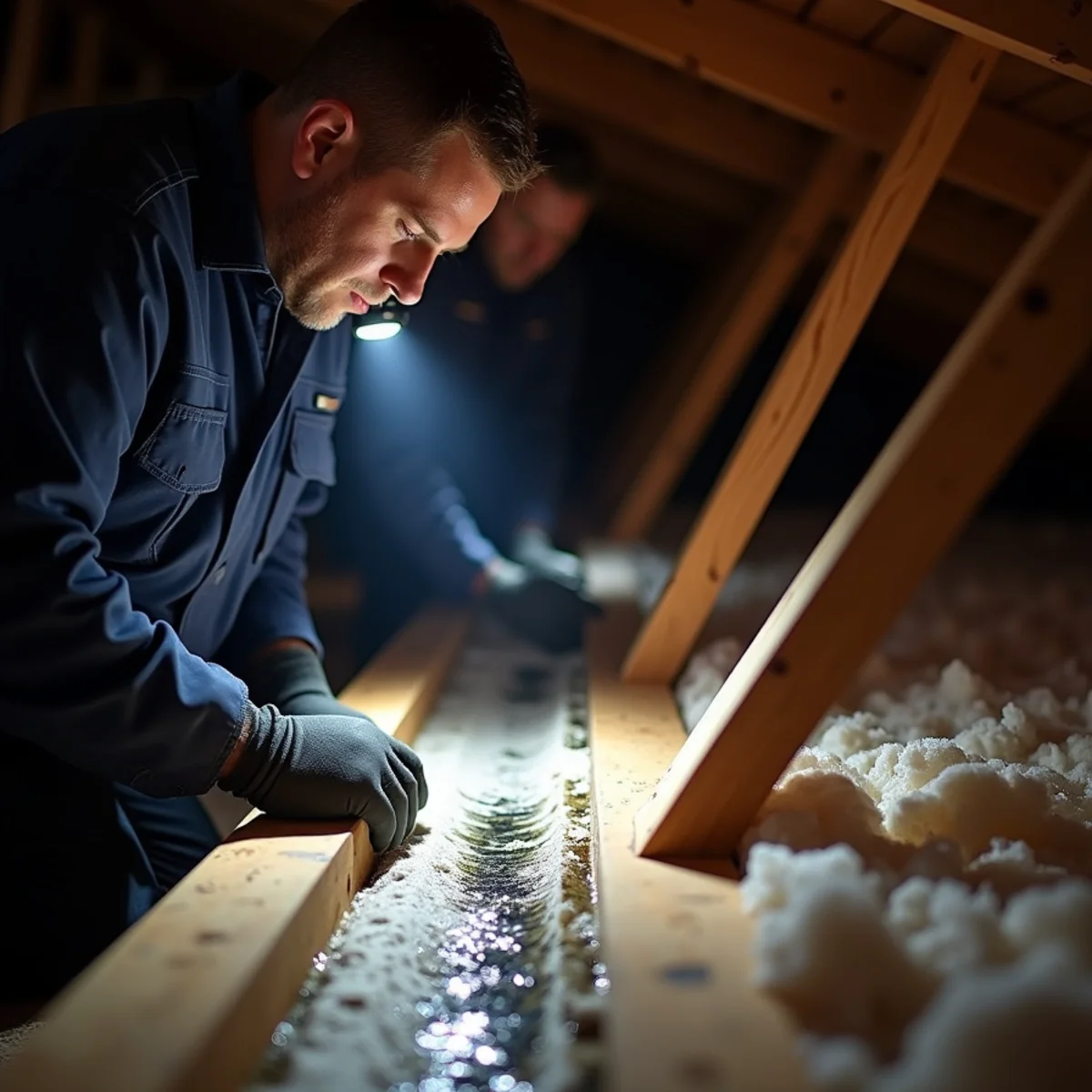
  • Roof leak water tracking along a rafter in a Fullerton attic

    Roof leak water tracking along a rafter in a Fullerton attic

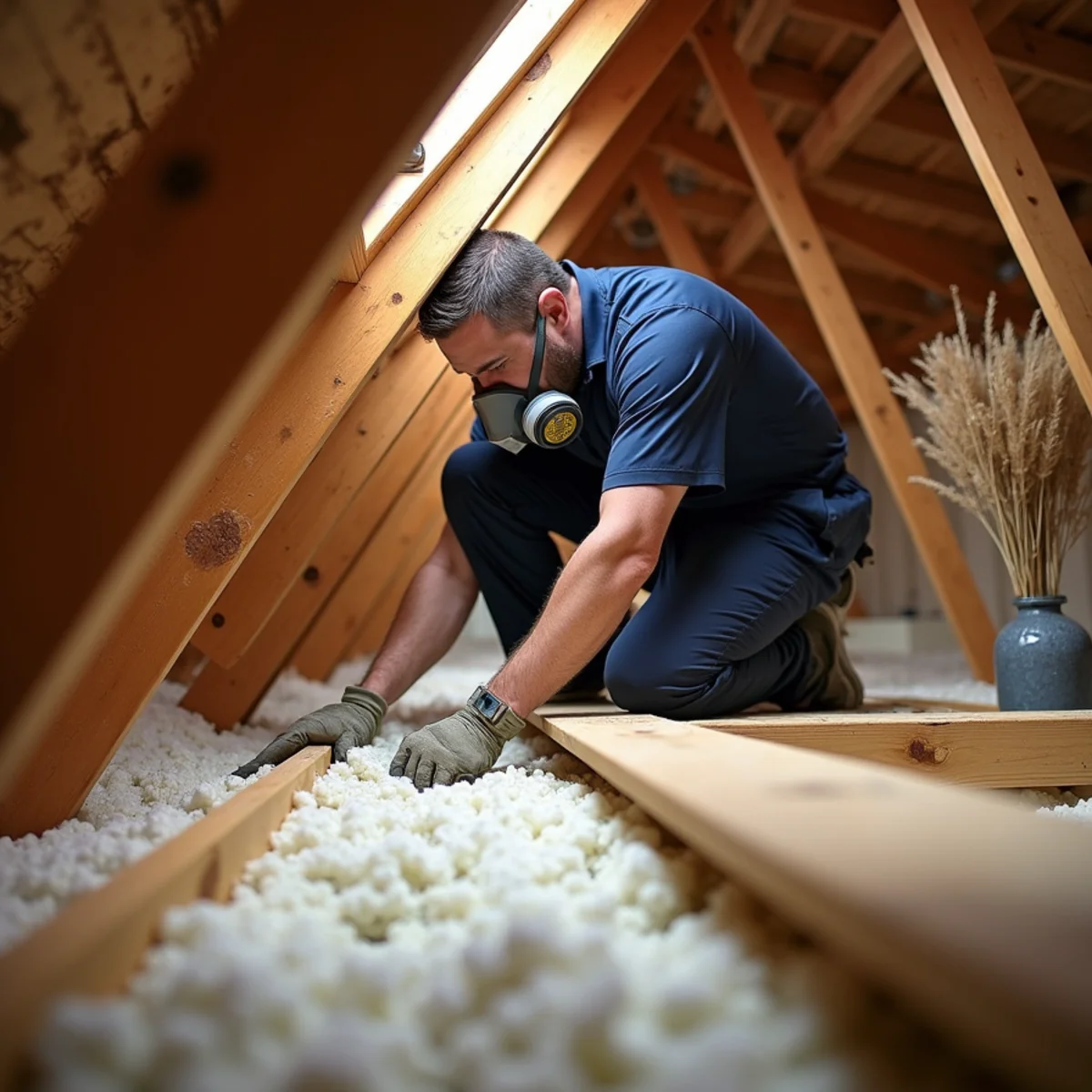
  • Replacing wet attic insulation after a roof leak in Fullerton, CA

    Replacing wet attic insulation after a roof leak in Fullerton, CA

  • Flashing intersection where roof leaks usually begin

    Flashing intersection where roof leaks usually begin

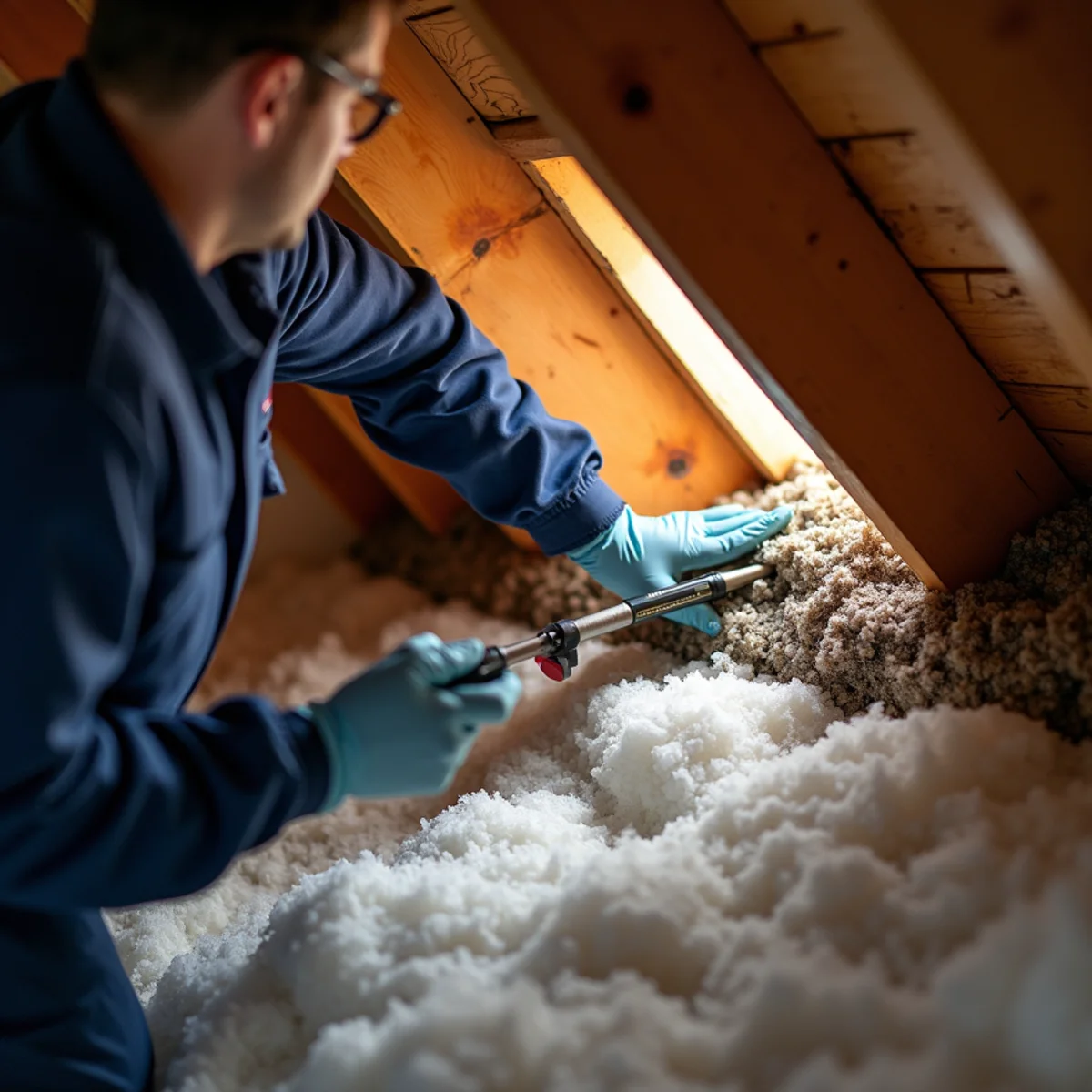
  • Checking attic insulation for moisture near the eaves

    Checking attic insulation for moisture near the eaves

Why Roof Leak Claims Get Denied and Ours Do Not

Roof leaks are the water loss most likely to be refused, and the reason is almost always timing and evidence rather than policy wording:

  • We document cause, not just damage

    A sudden wind-created opening is covered; an aged roof leaking for two winters is deferred maintenance. Concentric ring stains tell an adjuster which one it was, so we photograph and date everything.

  • We understand the tile roof trap

    On tile, the underlayment is the waterproofing and it fails at 20 to 30 years while the tile still looks new. Most Fullerton tile roof leaks we attend look immaculate from the street.

  • The attic is part of the scope

    Saturated insulation is frequently the largest single line item and the one most often skipped. Drying the visible ceiling and leaving the attic wet is how these become mold jobs.

  • We coordinate, we do not overreach

    Emergency tarping is ours; the permanent roof repair is a licensed roofing contractor's. We sequence the interior rebuild behind it so nothing is closed up too early.

What Drives Roof Leak Restoration Cost

The roofing repair is billed separately by the roofing contractor. On the restoration side:

How many storms it leaked through
One event is a contained repair. Three seasons is ceiling, insulation, framing and usually mold.
Attic insulation area affected
Removal and replacement is often the largest single line item, and it is frequently overlooked.
Ceiling area involved
Measured by meter — the wet area is typically far larger than the stain.
Mold on the roof deck or framing
Requires containment and treatment in a hot, awkward space.
Texture matching
Knockdown, orange peel, and pre-1980 acoustic ceilings that must be tested before disturbance.
Emergency tarping
Priced by area and access; usually covered as reasonable mitigation.

Roof Leak Damage in Fullerton — Common Questions

We do emergency tarping and board-up to stop active intrusion, and we handle everything on the interior — attic, insulation, drying, ceiling and repairs. The permanent roofing repair is done by a licensed roofing contractor, either yours or one we work with regularly. We coordinate the sequence so the interior is not rebuilt before the roof is watertight.

Where we provide roof leak damage

Crews dispatch within 60 minutes across Fullerton and north Orange County.

Fullerton neighbourhoods

Nearby cities

All 60 service areas

Further Reading

Guides on this topic

Written for Fullerton property owners, with the local risk factors that actually apply here.

Need roof leak damage in Fullerton right now?

Crews dispatched within 60 minutes — on-site in 60–90 minutes. We extract, dry to a documented standard, and hand your adjuster a file they cannot argue with.

  • 60-minute dispatch, anywhere in Fullerton
  • IICRC-aligned · licensed & insured
  • Direct insurance documentation
Call 24/7Free Estimate