
Cost & Insurance
How Much Does Water Damage Restoration Cost in Fullerton? (2026 Price Guide)
Honest ranges, the seven variables that actually move the number, and why an on-site moisture reading is the difference between an estimate and a guess.
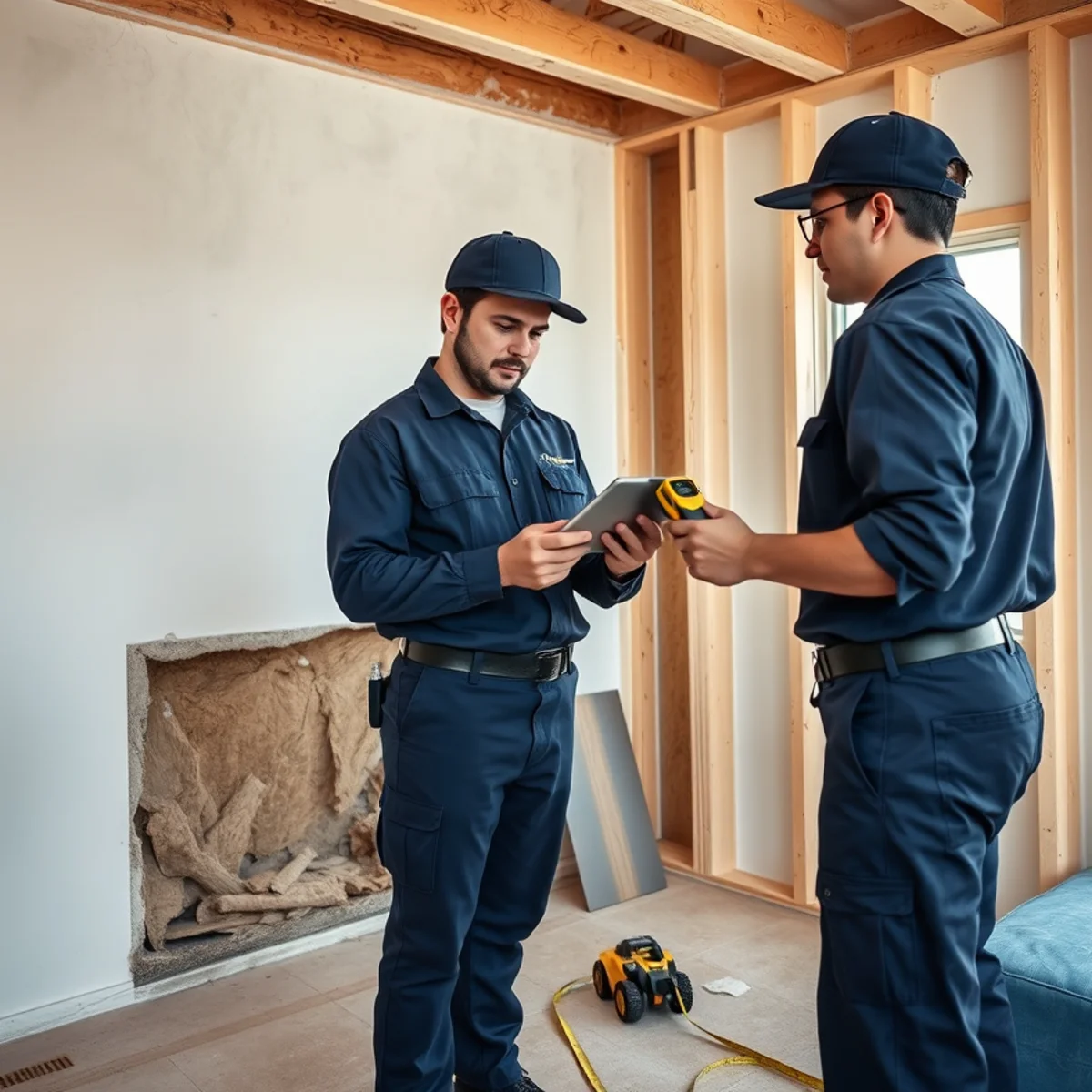
The short answer
Small clean-water losses caught quickly run roughly $1,500 to $4,000. Two to four rooms with some material removed runs $4,000 to $12,000 for mitigation before reconstruction. Category 3 sewage or flood work costs substantially more per square foot. The average water damage claim payout across the industry is around $13,954.
Every homeowner asks this in the first phone call, and every honest answer starts the same way: nobody can price a water loss without standing in it.
That is not evasion. The cost is driven by how much material got wet and how long it stayed wet, and neither of those is visible from a description. What we can do is explain the ranges the industry actually works in, and be specific about what moves you from one end to the other.
Dealing with this right now?
Crews dispatched within 60 minutes — on-site in 60–90 minutes, anywhere in Fullerton. Call and we will talk you through the first two minutes while a crew is dispatched.
- 60-minute dispatch, anywhere in Fullerton
- IICRC-aligned · licensed & insured
- Direct insurance documentation
The Ranges, Honestly
These are typical ranges reported across the restoration industry for residential work. They are a guide to scale, not a quote, and Southern California generally sits at or above national averages on labour.
- Small clean-water loss, one room, caught quickly: roughly $1,500–$4,000. Extraction, three to five drying days, minimal material removal.
- Moderate loss, two to four rooms, some drywall and flooring removed: roughly $4,000–$12,000 for mitigation, before reconstruction.
- Large loss, multiple rooms or multiple levels: $12,000–$30,000+ for mitigation.
- Category 3 sewage or flood loss: substantially higher per square foot, because porous materials are removed rather than dried and disposal is regulated.
- Reconstruction is a separate scope on top of mitigation, and on a significant loss it is frequently the larger half.
What Insurance Data Says About Real Losses
The industry figures are worth knowing because they set expectations better than any estimate range.
Water damage and freezing account for roughly a quarter of all home insurance claims. Around 1 in 60 insured homes files one in a given year. And the average water damage claim payout runs near $13,954.
That average is instructive. It is well above the small-loss range, because the losses that get claimed are the ones that spread — the overnight failures, the leaks that ran for weeks, the ones caught late.
The Seven Variables That Actually Move The Price
In rough order of impact:
1. How long the water ran
The single largest factor, and the only one entirely within your control. The same failure caught in twenty minutes versus discovered after a weekend away is routinely a fivefold difference. Water wicks up drywall at about an inch an hour and travels along wall bottom plates continuously.
2. Affected square footage
Measured with a meter after the loss is mapped, not by where you saw water. On flat slab construction — most of South Fullerton, West Fullerton and the tract neighbourhoods — water spreads outward evenly and the wet area is routinely two or three times what the homeowner expected.
3. Water category
Category 1 clean water is the cheapest outcome, with most materials salvageable. Category 2 grey water raises the removal threshold. Category 3 black water — sewage or anything that came in from outside — means porous materials leave the building, containment goes up, and disposal is regulated.
4. Materials involved
Carpet and pad, engineered wood, solid hardwood, tile over slab, and the lath-and-plaster in older Downtown Fullerton and Lemon Park homes all dry at different rates and cost differently. Plaster and hardwood take longer and need specialist systems.
5. Drying days and equipment count
Air movers and dehumidifiers are billed per unit per day. Faster extraction reduces both the days and the units. This is where early response pays for itself twice.
6. Whether mold is already present
Past 24 to 48 hours, remediation and containment usually enter the scope. That means barriers, negative air, HEPA filtration and clearance testing on top of the drying.
7. Reconstruction scope and finish level
Replacing eighteen inches of drywall and base is a different job from replacing a kitchen floor and lower cabinets. Finish level matters too — a builder-grade tract home and a custom home in Bastanchury are not the same rebuild.
Why We Will Not Quote Over The Phone
Be sceptical of any company that gives you a firm number before seeing the property. There are only two ways to do that: guess, or build enough margin in to cover the guess. Neither is in your interest.
A legitimate estimate requires moisture readings. We map the affected materials with thermal imaging and meters, establish a dry reference standard from an unaffected part of your house, and scope from that. The result is a written line-item scope of work in the estimating format your carrier already uses.
That document is also what protects you. It says exactly what will be dried, what will be removed, and what will be replaced — before the work starts, not after.
What Your Insurance Will And Will Not Pay
Sudden and accidental water damage — a burst pipe, a failed water heater, an appliance line — is what a standard California homeowners policy is built to cover. That includes emergency mitigation, drying and reconstruction to pre-loss condition.
What generally is not covered: the failed component itself, gradual damage from a long-running leak, flood or surface water from outside, and mold beyond a policy sub-limit which in California is frequently $5,000 to $10,000.
Your deductible applies, and depreciation may apply depending on whether you hold actual cash value or replacement cost coverage. On replacement cost policies you typically receive the depreciated amount first and recover the balance after the work is completed and invoiced.
Where Homeowners Genuinely Save Money
Three things, and none of them involve negotiating a discount.
Call immediately. Every hour of delay adds affected area, and affected area is what everything else is priced from.
Do not attempt DIY drying on anything beyond a small hard-surface spill. Household fans in a closed room raise humidity until evaporation stalls, and the most expensive jobs we attend are frequently the ones someone tried to handle for a week first.
Ask for the moisture map and the written scope before work starts, and ask what the dry standard is. A company that measures and documents will not run equipment longer than the readings justify — and equipment days are billed daily.
All 7 steps, in pictures
Each image matches the numbered item above it in the same order.
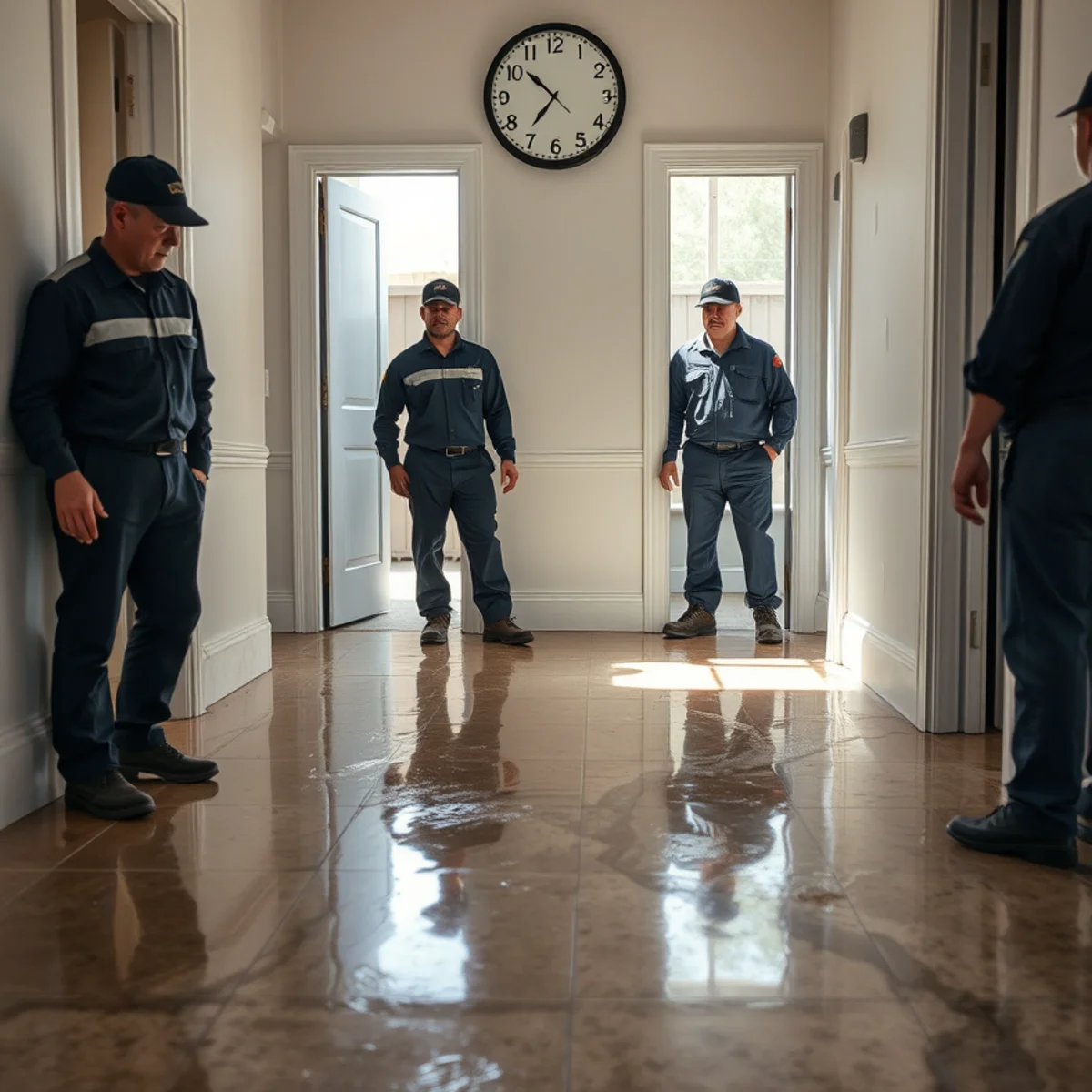
Long-standing water damage that spread overnight in a home

Mapping affected square footage after a water loss
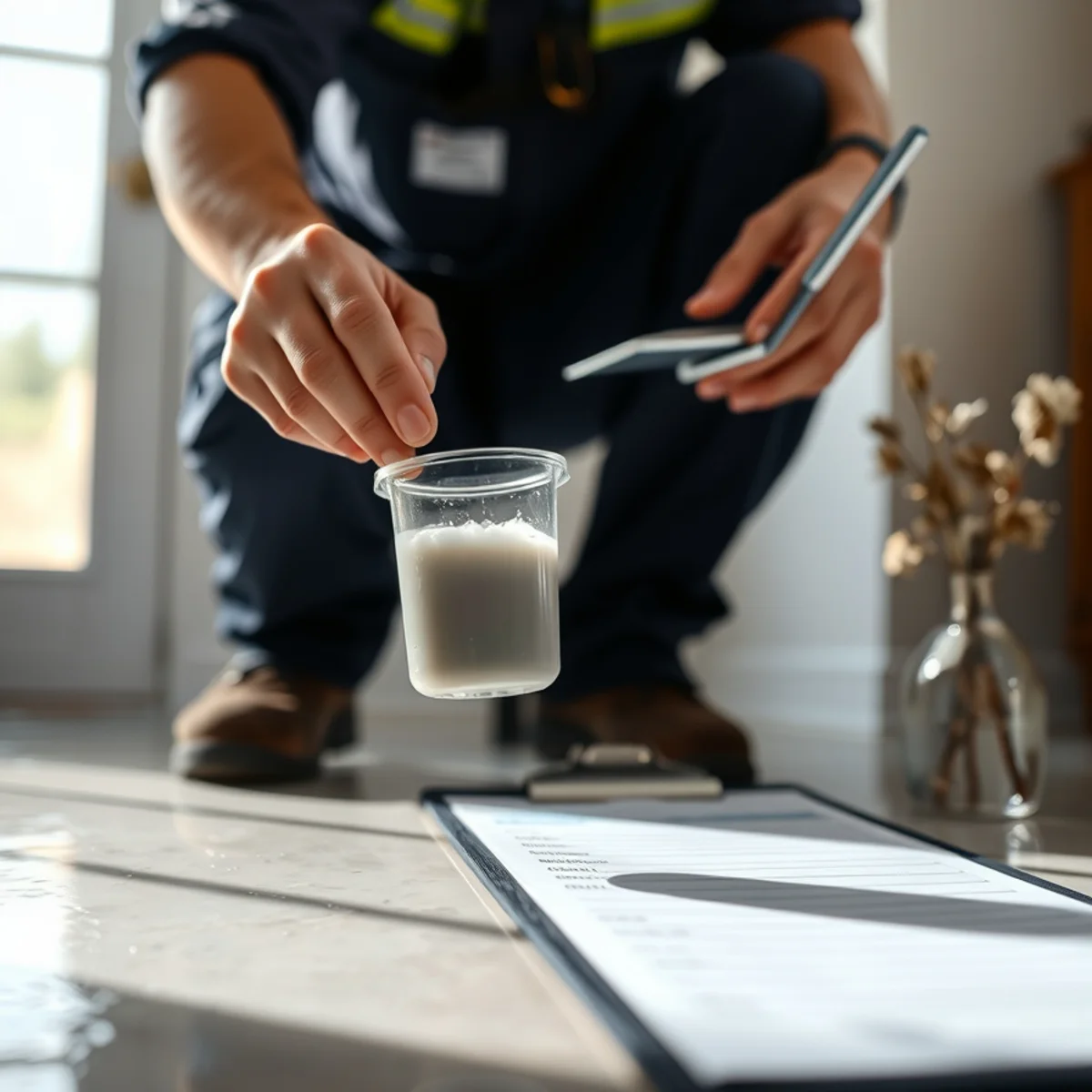
Classifying water category before deciding what can be dried
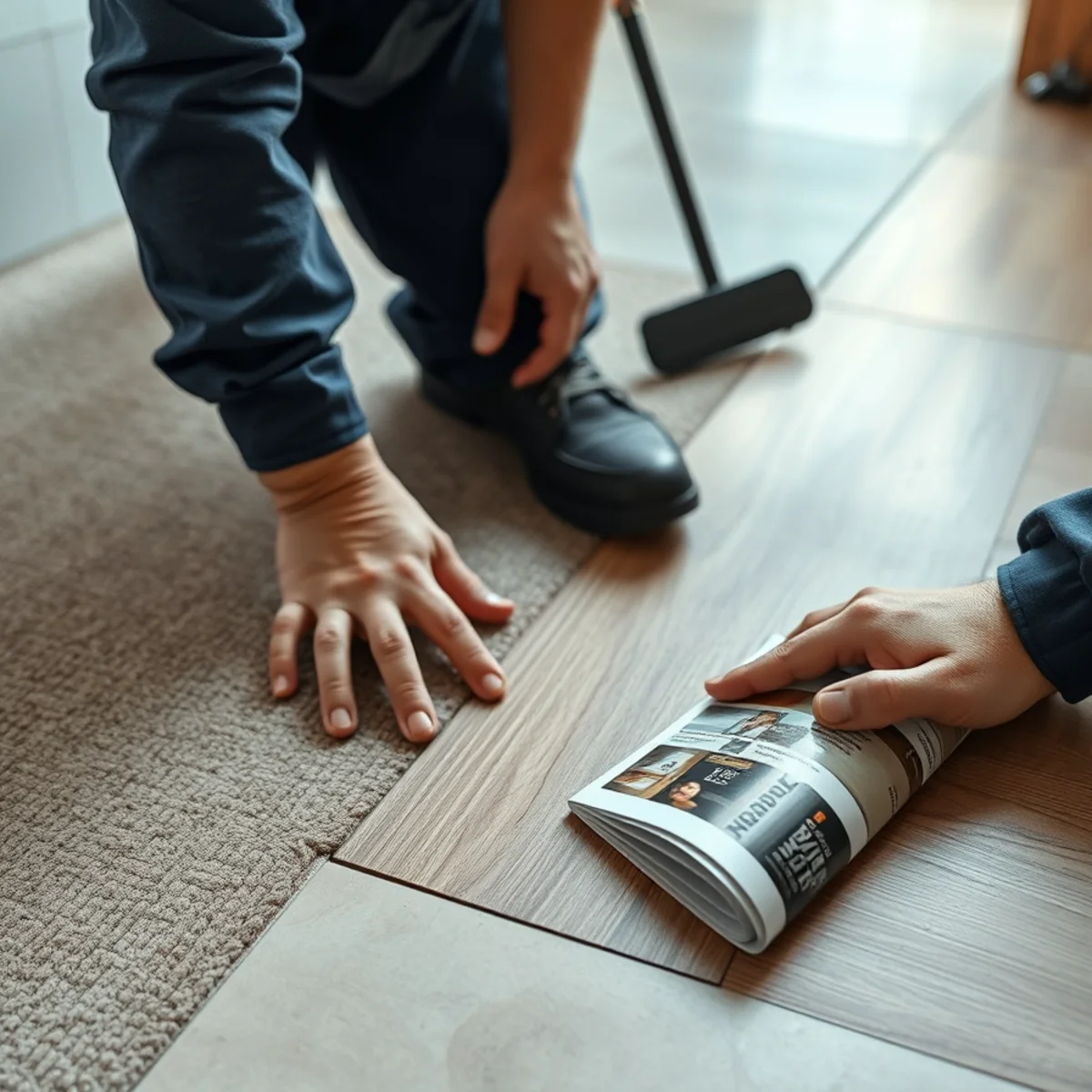
Different flooring materials affecting water damage restoration cost
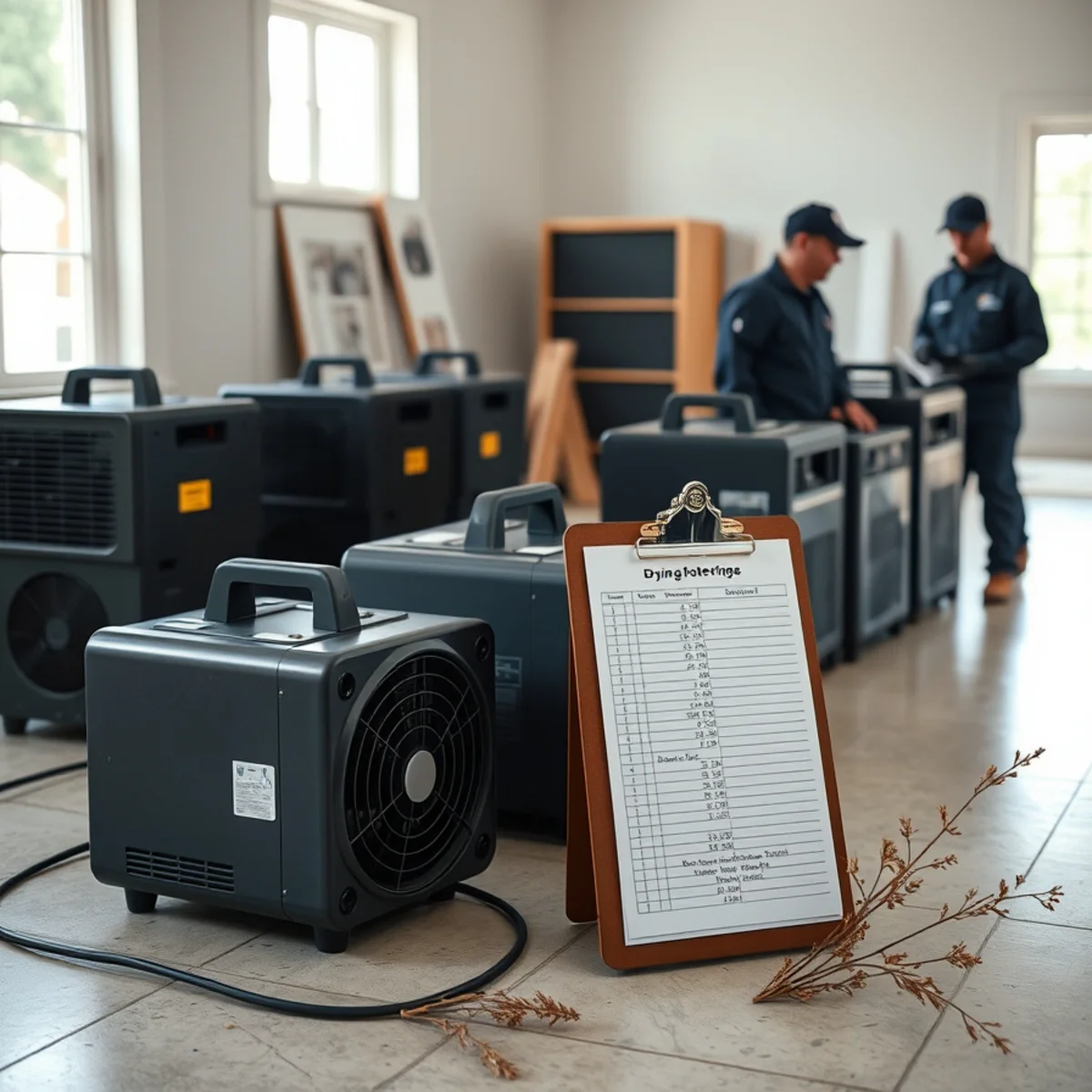
Equipment days driving the cost of structural drying
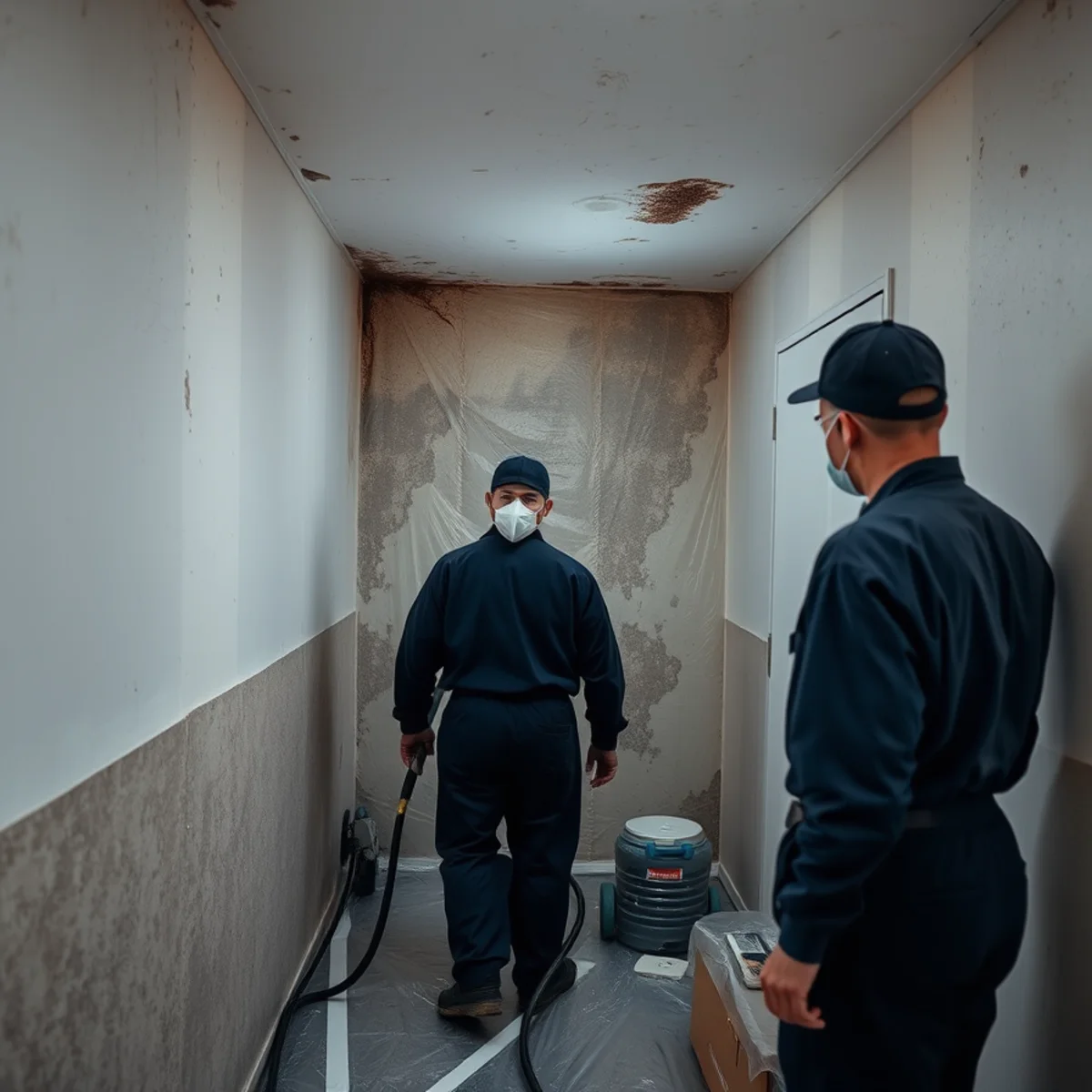
Existing mold growth adding remediation to a water damage scope
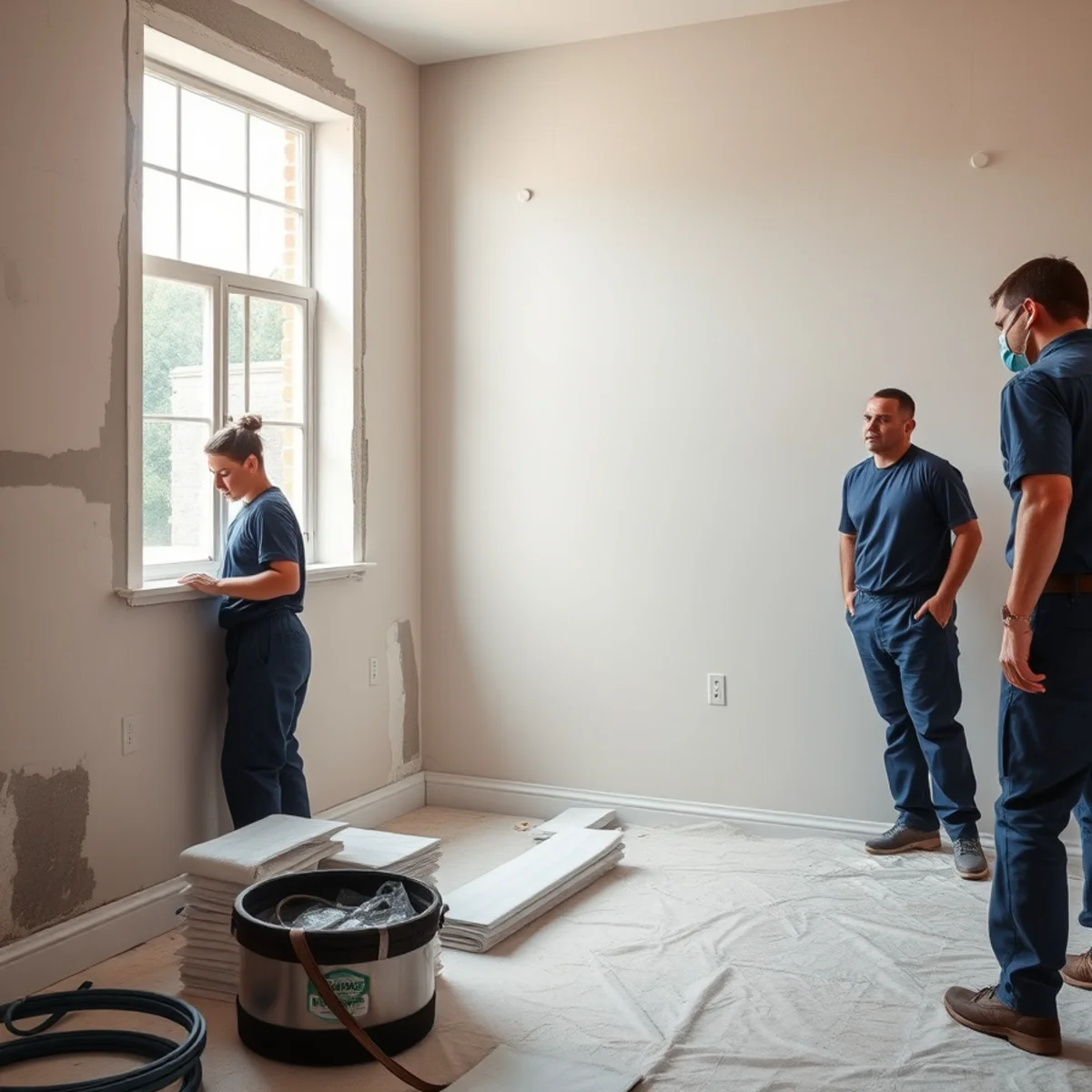
Reconstruction finish level affecting water damage repair cost
Frequently asked
We provide free on-site estimates. What we will not do is quote a firm price over the phone, because a real estimate requires moisture readings and an actual look at what is behind the wall.
Considerably, yes. Mitigation alone — extraction and drying, with no material removed and nothing to rebuild — is the low end of every range. That outcome is almost entirely a function of how quickly the loss was reported.
Usually because the scopes are different, not the prices. One company mapped the loss with meters and scoped every wet material; another looked at the visible damage. Compare the moisture maps and the line items rather than the totals — a cheaper estimate that leaves a wall cavity wet is not cheaper.
The bottom line
The honest summary: small clean-water losses caught fast run in the low thousands, and losses that ran overnight or came from a contaminated source run into five figures.
The variable you control is the phone call. Everything else follows from it.