24/7 emergency line — crews dispatched within 60 minutes

Residential water damage restoration and rebuild work inside a Fullerton, CA family home

Fullerton, CA

Residential Water Damage Restoration in Fullerton, CA

Most restoration companies do mitigation — extract, dry, leave. Then you are on your own to find a contractor, get bids, wait for a schedule and argue about who is responsible for the texture not matching.

  • On-site in 60–90 minutes
  • IICRC-aligned · licensed & insured
  • Staged on 1500 S Raymond Ave

That handoff is where residential restorations stall. We do both halves. Same company, same file, same project manager from the first moisture reading to the final coat of paint.

This page is about the whole job on a house: what the phases are, what you should expect at each one, and how living in a home under restoration actually works.

Crews dispatched within 60 minutes — on-site in 60–90 minutes

+1 (201) 277-9344

When A Home Needs Full Restoration, Not Just Drying

Mitigation alone is enough for some losses. These need the rebuild too:

  • Drywall was cut out anywhere — those flood cuts need patching, taping, texture and paint
  • Flooring was removed or is permanently damaged: cupped hardwood, delaminated laminate, lifted vinyl
  • Cabinets, vanities or built-ins were affected at the base
  • Insulation was removed from walls, ceilings or an attic
  • The loss involved Category 3 water and porous materials had to be discarded
  • Baseboards, trim, casings or interior doors were damaged or removed
  • The affected area needs to match adjoining rooms in finish, texture and colour
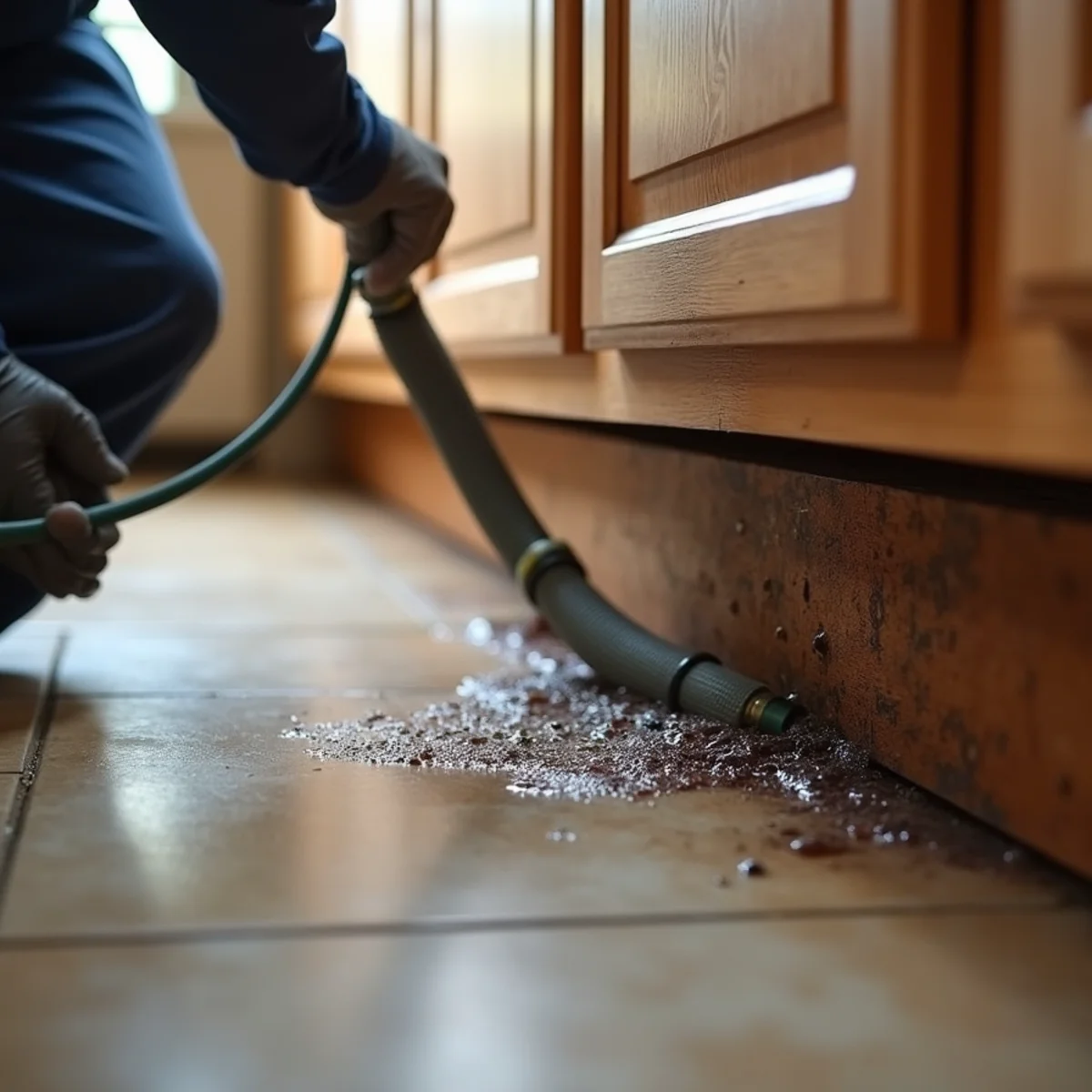
Drying the void under kitchen cabinets after water damage in Fullerton

What Full Residential Restoration Includes

Both halves of the job — the mitigation most companies do, and the rebuild most of them hand off:

Emergency mitigation
Source control, extraction, documentation and drying equipment set on the first visit.
Drying to a documented standard
Daily readings against a dry reference taken from an unaffected part of your own home, with equipment pulled on the numbers rather than the calendar.
Controlled demolition
Only materials a meter says cannot be dried in place — wet insulation, flood cuts above the wicking line, and cabinet toe-kicks opened for drying.
Carrier-format scope of work
A line-item scope in the estimating format your adjuster already uses, so the approval conversation is about numbers rather than translation.
Full reconstruction
Insulation, drywall, tape, texture, paint, flooring, trim, cabinetry and fixtures, sequenced by trade on a schedule you can see.
Finish and material matching
Texture matched by sampling and test board; discontinued flooring handled with honest options rather than an obvious mismatch.
Walkthrough and punch list
A joint walkthrough before we call it finished, with the punch list closed out before the final invoice.

The Four Phases Of A Home Restoration

Every residential job runs through the same four phases. Knowing where you are in them makes the whole process much less stressful.

  1. Phase 1 — Emergency mitigation (hours 0 to 24)

    Stop the source, extract standing water, document everything, place drying equipment. The goal is limiting how far the loss spreads. Nothing is rebuilt yet, and nothing should be.

  2. Phase 2 — Drying and demolition (days 1 to 7)

    Equipment runs, we take daily readings, and we remove only the materials that cannot be dried in place. Your house is loud, there is plastic sheeting up, and this is the part that tests everyone's patience. It ends when materials hit the documented dry standard.

  3. Phase 3 — Scope, approval and scheduling (days 5 to 15)

    A written line-item scope goes to your carrier in the estimating format they use. This phase is usually the longest and it is mostly waiting on adjuster approval. We push it along, keep you copied, and start ordering long-lead materials — flooring especially — as soon as the scope is agreed.

  4. Phase 4 — Reconstruction (days 10 to 45)

    Insulation, drywall, tape, texture, paint, flooring, trim, cabinetry, fixtures. Sequenced by trade with a schedule you can see. Then a walkthrough and a punch list before we call it finished.

Matching What Was Already There

The measure of a good residential restoration is that you cannot tell where the damage was. That is harder than it sounds and it is mostly about materials and texture.

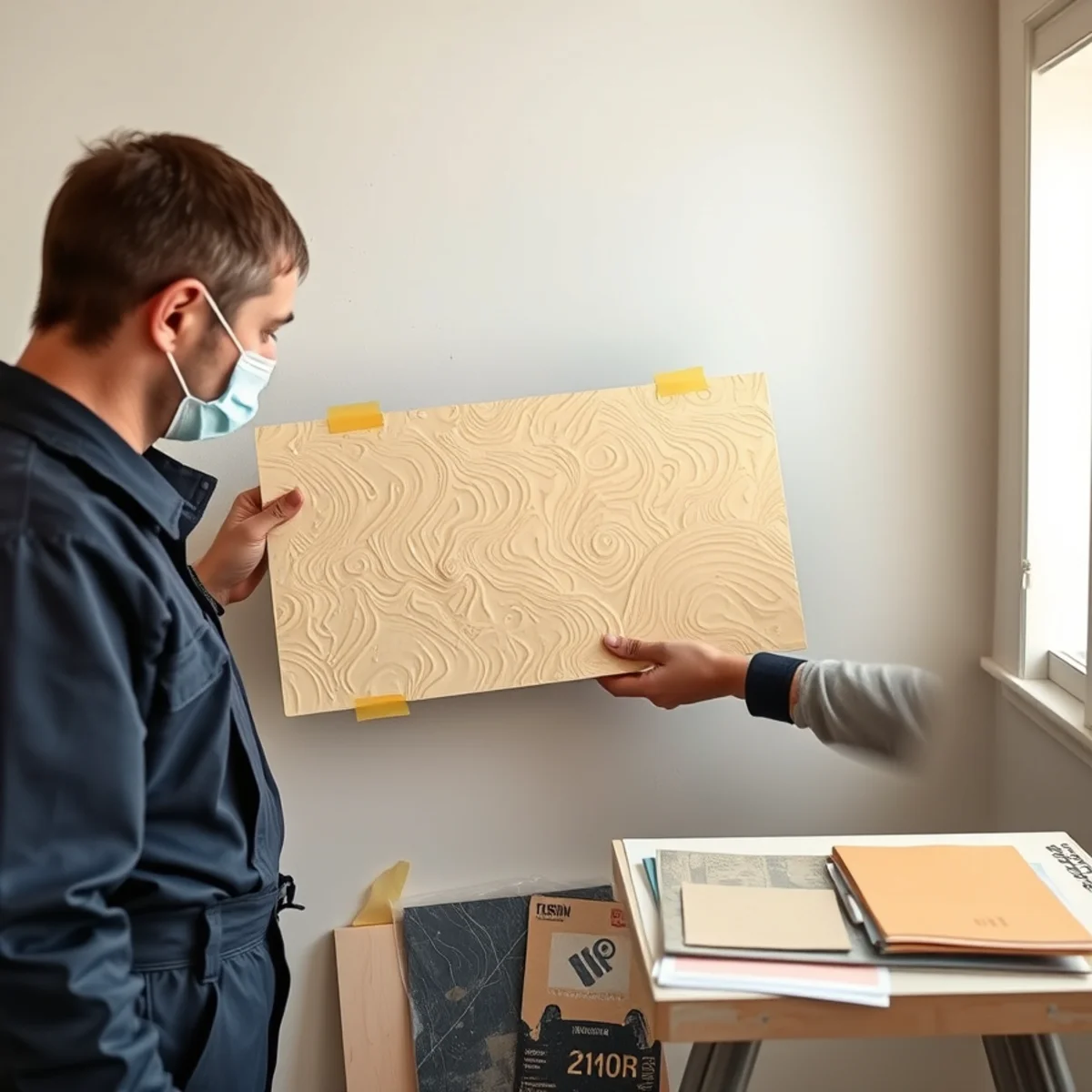
Wall texture is the giveaway. Fullerton homes carry every era of finish: smooth plaster and skip-trowel in the 1920s to 1940s downtown houses, heavy orange peel and knockdown across the post-war tracts, and light modern textures in Amerige Heights and West Coyote Hills. We match by sampling and test-boarding rather than guessing, and on a bad mismatch the right answer is to re-texture the full wall to a natural break rather than leave a visible patch.

Flooring is the other one. Discontinued tile, a hardwood species and stain that is no longer stocked, a laminate line that changed profile — these are real and common. Options are sourcing remnant or salvage stock, taking material from a closet or under an appliance to patch the visible area, or replacing to a natural transition point. We lay out the choices honestly, including what your policy will and will not fund, and you decide.

Paint gets cut to a corner or a natural break, not feathered into the middle of a wall where the sheen difference will show in daylight.

Living In The House While We Work

Most families stay, and with some planning it is manageable.

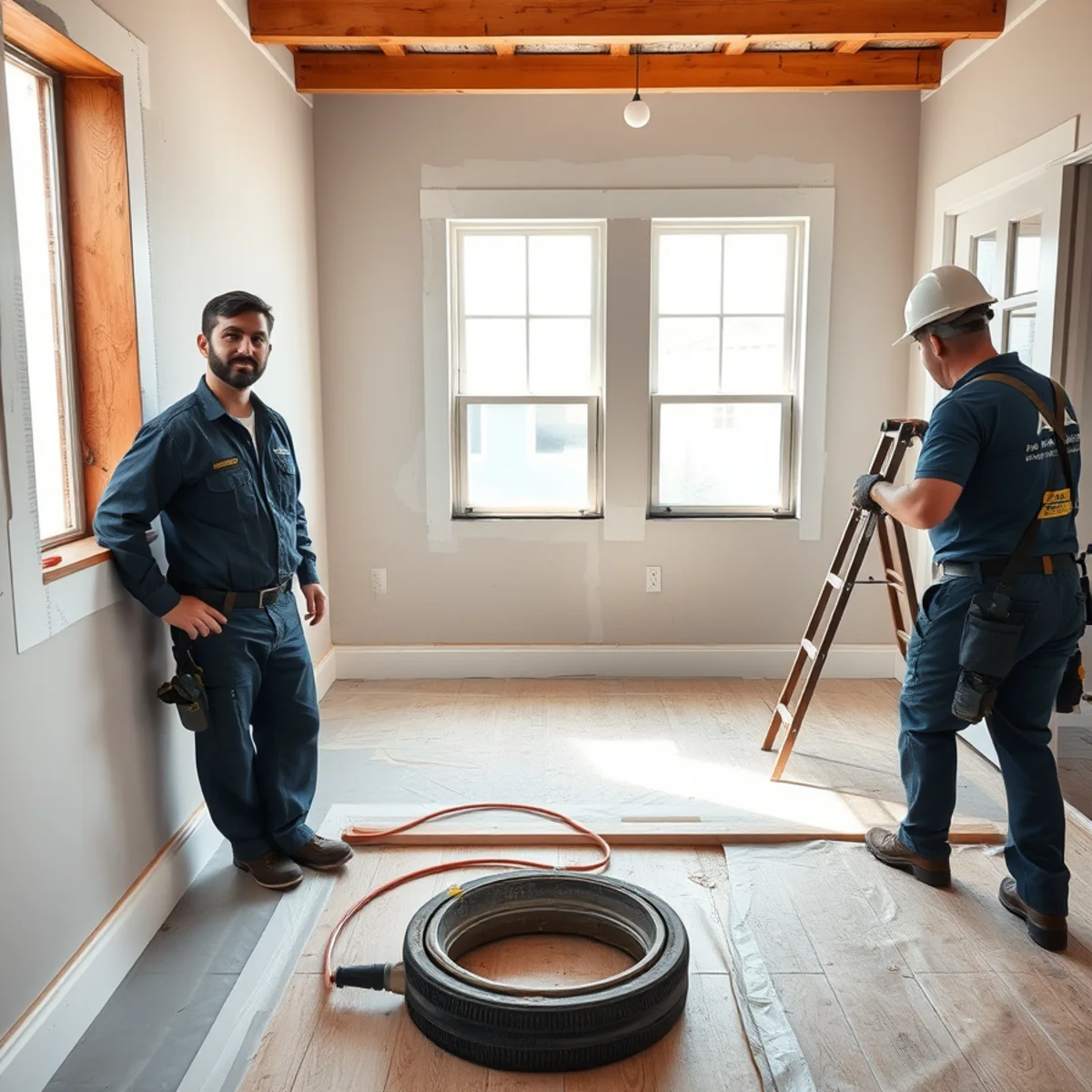
Expect noise. Air movers run around 60 to 70 decibels and run continuously — please do not turn them off overnight, because that stalls drying and typically adds a full day. Expect containment plastic, taped floor protection on your walking paths, and a crew arriving at a set time each morning rather than whenever.

We keep bathrooms and kitchens working wherever it is physically possible, and where a kitchen has to come out for a period we tell you at the scope stage so you can plan, not on the morning it happens.

If the loss is Category 3, affects the only bathroom, or involves the electrical service, we will tell you plainly that you should relocate. Additional living expenses are a standard part of most California homeowners policies and your carrier expects that call to be made on professional advice — we document the recommendation so the claim is straightforward.

  • Matching wall texture and paint during a Fullerton water damage rebuild

    Matching wall texture and paint during a Fullerton water damage rebuild

  • New flooring installed after structural drying in a Fullerton home

    New flooring installed after structural drying in a Fullerton home

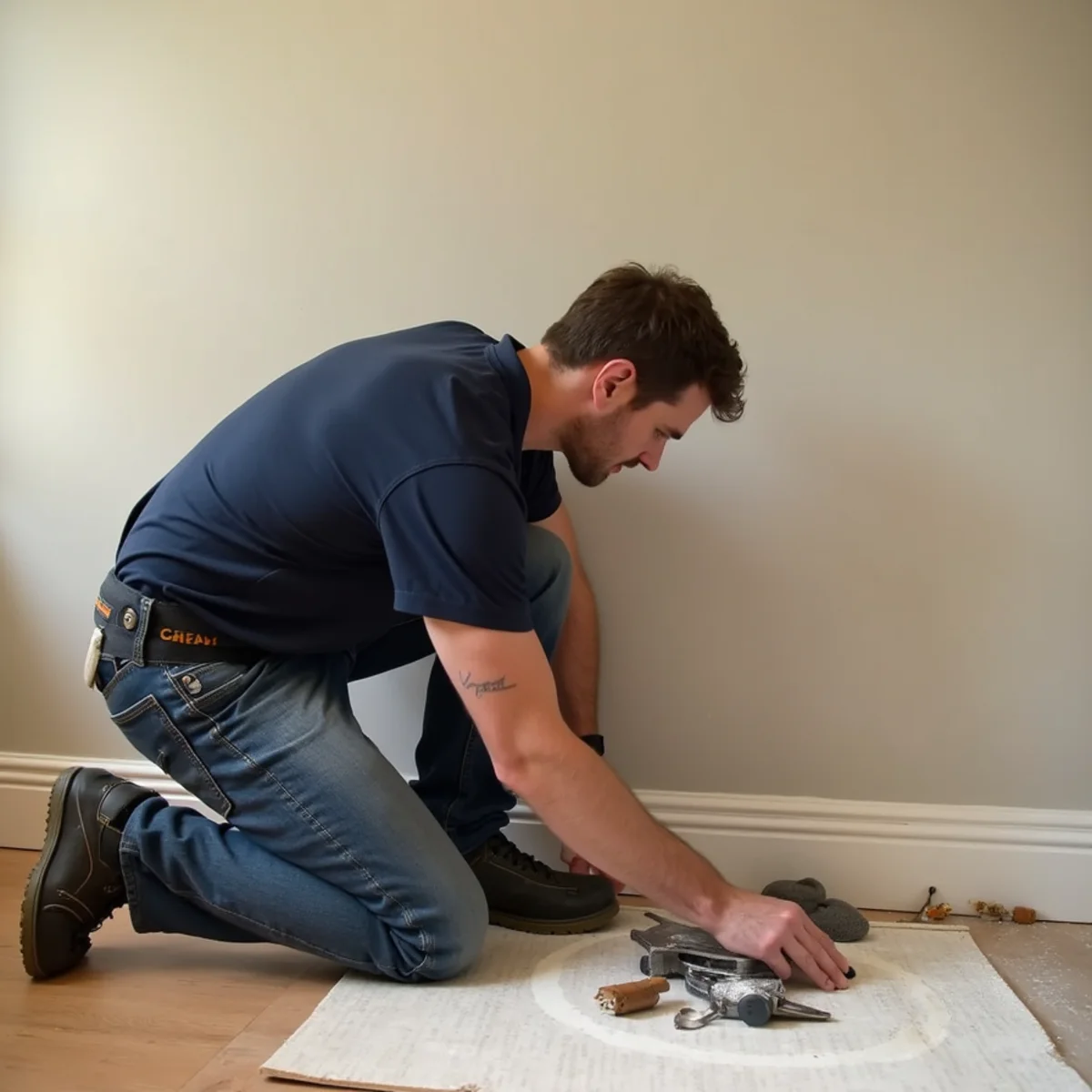
  • Reinstating flooring and trim in a family home

    Reinstating flooring and trim in a family home

  • Final walkthrough punch list with the homeowner

    Final walkthrough punch list with the homeowner

Why One Company Through to the Final Coat

The handoff between a mitigation crew and a rebuild contractor is where most residential restorations stall. We do not have one:

  • One project manager, one file

    The person who wrote your scope walks the final punch list with you. Nothing gets lost in a transfer, and nobody blames the other trade for the texture not matching.

  • We plan around you living there

    Most families stay. We tell you at the scope stage if a kitchen has to come out for a period, so you can plan — not on the morning it happens.

  • Matching taken seriously

    The measure of a good restoration is that you cannot tell where the damage was. Where a patch will always show, we re-finish to a natural break instead.

  • You choose your contractor, not your carrier

    In California the decision is yours regardless of a preferred vendor programme. What matters is documentation to carrier standards — ask us for a moisture map and a drying log before you sign anything.

What Drives Residential Restoration Cost

Mitigation is a fairly predictable number. Reconstruction is where the range widens, and these are the reasons:

Square footage restored
Both the drying scope and the rebuild scope, which are not the same area.
Finish level
Builder-grade replacement versus the custom cabinetry and stone in a Bastanchury or Sunny Hills home.
Flooring type and availability
Matching a discontinued material is the most common cost surprise in the whole process.
Texture and finish matching
Older plaster and heavy textures take skilled hands and more time.
Cabinetry and millwork
Whether a cabinet run can be repaired at the base or has to be replaced as a unit.
Age-related requirements
Pre-1980 textured ceilings and pre-1978 painted surfaces may need testing before disturbance.
Policy limits and depreciation
Actual cash value versus replacement cost changes what you receive up front and what you recover after completion.

Residential Restoration in Fullerton — Common Questions

Both. We hold the file from the first extraction through the final walkthrough — mitigation, drying, demolition, and the full rebuild including drywall, texture, paint, flooring, trim and cabinetry. One project manager, one point of contact, and no gap where a mitigation company hands you a dry house and a phone book.

Where we provide residential restoration

Crews dispatch within 60 minutes across Fullerton and north Orange County.

Fullerton neighbourhoods

Nearby cities

All 60 service areas

Further Reading

Guides on this topic

Written for Fullerton property owners, with the local risk factors that actually apply here.

Need residential restoration in Fullerton right now?

Crews dispatched within 60 minutes — on-site in 60–90 minutes. We extract, dry to a documented standard, and hand your adjuster a file they cannot argue with.

  • 60-minute dispatch, anywhere in Fullerton
  • IICRC-aligned · licensed & insured
  • Direct insurance documentation
Call 24/7Free Estimate