
Problem Solving
Wet Drywall: When It Can Be Saved and When It Has to Come Out
Sometimes it dries in place and sometimes it has to go. Four factors decide, and the insulation behind it usually decides for you.
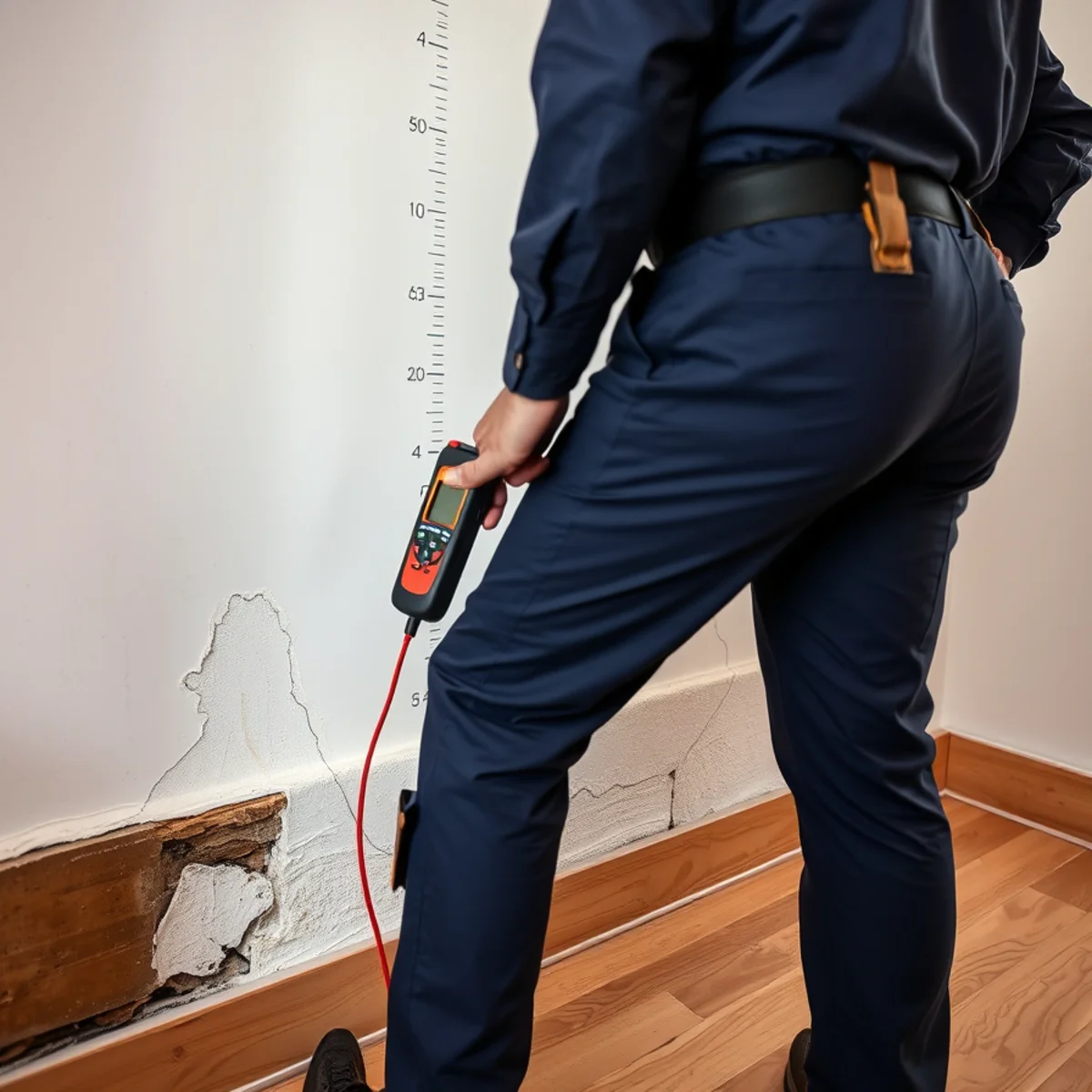
The short answer
Often yes — clean water caught within about 24 hours, on an uninsulated interior wall, usually dries in place through injection ports. It has to come out when the water was Category 3, when it sat more than roughly 48 hours, or when wet insulation behind it means the cavity cannot dry with the wall closed.
Wet drywall is where most of the demolition decisions on a water loss get made, and it is where homeowners most often feel that too much is being cut out — or, on a badly run job, discover months later that too little was.
There are four factors, and the honest answer is that drywall itself is frequently salvageable while what is behind it is not.
Dealing with this right now?
Crews dispatched within 60 minutes — on-site in 60–90 minutes, anywhere in Fullerton. Call and we will talk you through the first two minutes while a crew is dispatched.
- 60-minute dispatch, anywhere in Fullerton
- IICRC-aligned · licensed & insured
- Direct insurance documentation
Factor 1: The Water Category
This overrides everything else.
Category 1 clean water from a supply line or water heater: drywall can usually be dried in place if it is caught quickly.
Category 2 grey water from an appliance discharge: sometimes salvageable, depending on duration and how far it wicked.
Category 3 black water — sewage, or anything that came in from outside: the drywall in contact with it comes out, plus a margin above the contamination line. Gypsum core and paper facing wick upward and cannot be reliably decontaminated. That is a health standard, not a preference.
Factor 2: How Long It Was Wet
Drywall caught within the first day and dried properly usually recovers completely. Its structural integrity is fine and the paper facing has not begun to break down.
Past roughly 48 hours the calculation changes, because mold colonisation on the paper facing becomes likely rather than possible. Paper is cellulose, and wet cellulose at room temperature is the most reliable mold substrate there is.
Drywall that has been wet for a week is usually a removal, not because it has fallen apart but because of what is growing on the back of it where you cannot see.
Factor 3: What Is Behind It
This is the factor homeowners rarely consider and it is frequently the deciding one.
Fibreglass batt insulation that has taken on water does not recover. It compresses, loses R-value permanently, and holds moisture against the framing and the back of the drywall indefinitely. It comes out. And you cannot remove insulation without opening the wall.
So on an insulated exterior wall, the question is rarely 'can this drywall dry' — it is 'can this cavity dry with wet insulation in it', and the answer is no.
On an uninsulated interior partition, the cavity is just air and framing. Those can very often be dried through small injection ports behind the baseboard line, with no visible demolition at all.
Factor 4: How High The Water Wicked
Drywall wicks water upward from the bottom edge at roughly an inch an hour, and it does this whether or not the surface looks wet.
That is why the wet area on a meter is nearly always higher than the visible tide line. A room where water stood for four hours may have drywall wet to twelve inches or more.
It is also why the flood cut height is not arbitrary. Cutting at twelve or eighteen inches puts the seam above the wicking line and at a height that is straightforward to patch and finish — much easier than a ragged cut at seven inches.
What A Flood Cut Is And Why It Is Cheaper
A flood cut is a horizontal cut across the wall, typically twelve to eighteen inches above the floor, removing the wet lower section so the cavity, the bottom plate and the insulation can be dried or replaced.
It looks alarming. It is also the cheap option, because the alternative is closing up a wall with a wet plate and wet insulation behind it and dealing with mold in six weeks — at which point you are removing the same drywall plus dealing with a remediation.
A clean flood cut at a consistent height is straightforward to patch, tape, texture and paint, and when it is finished properly you cannot find it.
Drying Drywall In Place
Where it is possible, this is the better outcome and it is worth asking about.
Wall cavity drying uses small ports drilled behind the baseboard line — which then gets reinstalled over them — to push dry air directly into the stud bay. The cavity dries, the drywall dries, and there is no visible demolition or patching.
It works on uninsulated interior walls with Category 1 water, caught early. It does not work with wet insulation in the cavity, and it does not work on Category 3.
The way to know is readings. A meter through the drywall face and into the cavity tells us what is actually wet, and that decides the method rather than a rule of thumb.
The Four Questions That Decide It
Whether a wet wall is dried or cut is not a judgement call — it comes down to four things a meter and a torch can answer:
- What category was the water? Category 3 drywall comes out plus a margin above the contamination line, regardless of how sound it looks.
- How long was it wet? Past roughly 48 hours, mold colonisation on the paper facing becomes likely rather than possible.
- Is there insulation in the cavity? Wet batt insulation never recovers, and you cannot remove it without opening the wall.
- How high did it wick? Drywall draws water upward from the bottom edge at roughly an inch an hour, so the wet area is nearly always higher than the tide line.
- If the answers are clean water, under a day, uninsulated partition, and wicking under a few inches — it dries in place.
- Change any one of those and the honest answer is a flood cut at twelve to eighteen inches, which is cheaper now than a remediation later.
Checking It Yourself Before Anyone Quotes
You can form a reasonable view of your own drywall in about five minutes, and it is worth doing before you receive an estimate — not to argue with a professional, but so the conversation is about evidence rather than assumption.
None of this needs equipment. What it will not tell you is what is happening inside the cavity, which is where a meter earns its keep.
- Press firmly with your thumb at the base of the wall. Sound drywall resists; compromised drywall gives, dents or feels spongy. That is a structural answer, not a cosmetic one.
- Look along the wall at a low angle in raking light. Bowing between studs is visible this way when it is invisible face-on.
- Check the tape joints and the corner beads. Tape lifting or bubbling means the paper facing has been saturated.
- Look at the base of the wall for a tide line, then assume the actual wick height is several inches above it.
- Push on the baseboard. If it has swelled and pulled away from the wall, water reached it and stayed.
- Smell close to an outlet on that wall. Cavity air comes through the box, and a musty note there means the inside is still wet regardless of how the surface feels.
Frequently asked
Because drywall wicks water upward from the bottom edge at about an inch an hour, and a meter reads moisture the surface does not show. The wet area is nearly always higher than the visible tide line. Ask to see the readings — a company that measures will show you.
Sometimes. Uninsulated interior walls with clean water, caught early, can often be dried through small injection ports behind the baseboard with no visible demolition. Wet insulation in the cavity rules it out, because insulation does not recover and cannot be removed without opening the wall.
Colonisation on the paper facing typically begins within 24 to 48 hours at normal room temperature. That window is the whole argument for calling immediately rather than waiting to see whether it dries on its own.
The bottom line
Clean water, caught fast, uninsulated wall: it very likely dries in place.
Contaminated water, days of saturation, or wet insulation behind it: it comes out, and cutting it now is cheaper than cutting it later.