
Problem Solving6 min read
Wet Drywall: When It Can Be Saved and When It Has to Come Out
Sometimes it dries in place and sometimes it has to go. Four factors decide, and the insulation behind it usually decides for you.
Read the guide24/7 emergency line — crews dispatched within 60 minutes
1500 S Raymond Ave, Fullerton, CA 92831

10–15 minutes from our Fullerton base
The Parks neighbourhood is 1970s family housing in the western part of the city, ten to fifteen minutes from our base.
It is a slightly younger housing stock than most of Fullerton, and that shows in the failure pattern — this is copper pinhole territory rather than galvanized territory.
Parks: 10–15 minutes · dispatch within 60 minutes
+1 (201) 277-93441970s construction used copper supply piping almost universally, and copper is a good material. Under normal conditions it lasts a very long time.
Orange County's water is not normal conditions. At roughly 14 to 25 grains per gallon it is decidedly hard, and hardness drives the mechanism that kills copper: mineral scale deposits on the inside of the pipe, flow becomes turbulent around the deposits, localised corrosion cells form beneath them, and the wall is eaten through from the inside at discrete points.
Fifty years of that produces pinholes. Not bursts — weeps, at single points, often inside walls or under the slab where nothing is visible.
Hot lines fail first. Heat accelerates the chemistry and thermal cycling adds mechanical stress the cold line never experiences, which is why a warm spot on a slab floor is such a specific and useful symptom.
The rest of the profile is standard 1970s: slab-on-grade on expansive clay, water heaters in garages, and appliance supply connectors that in many houses are still original.
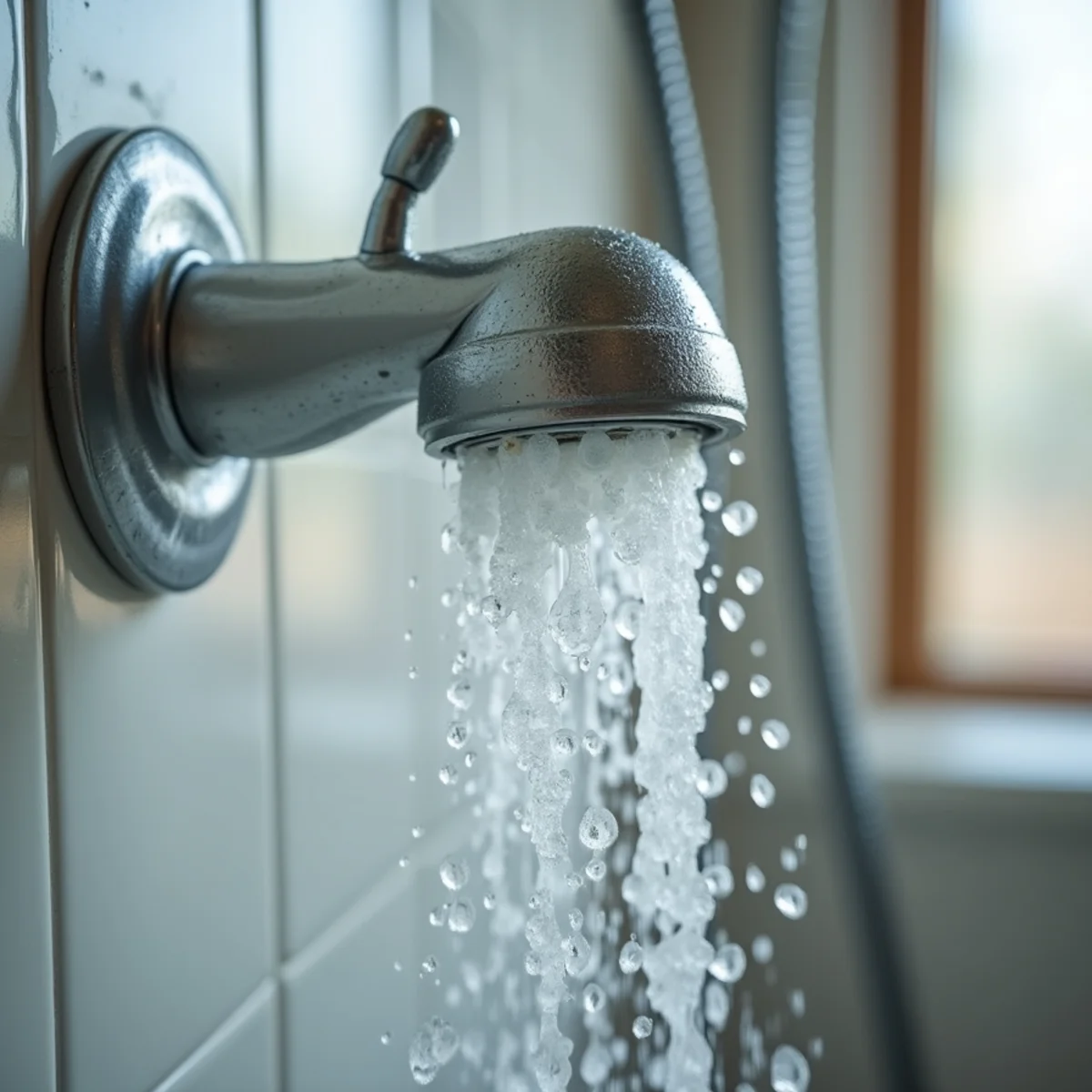
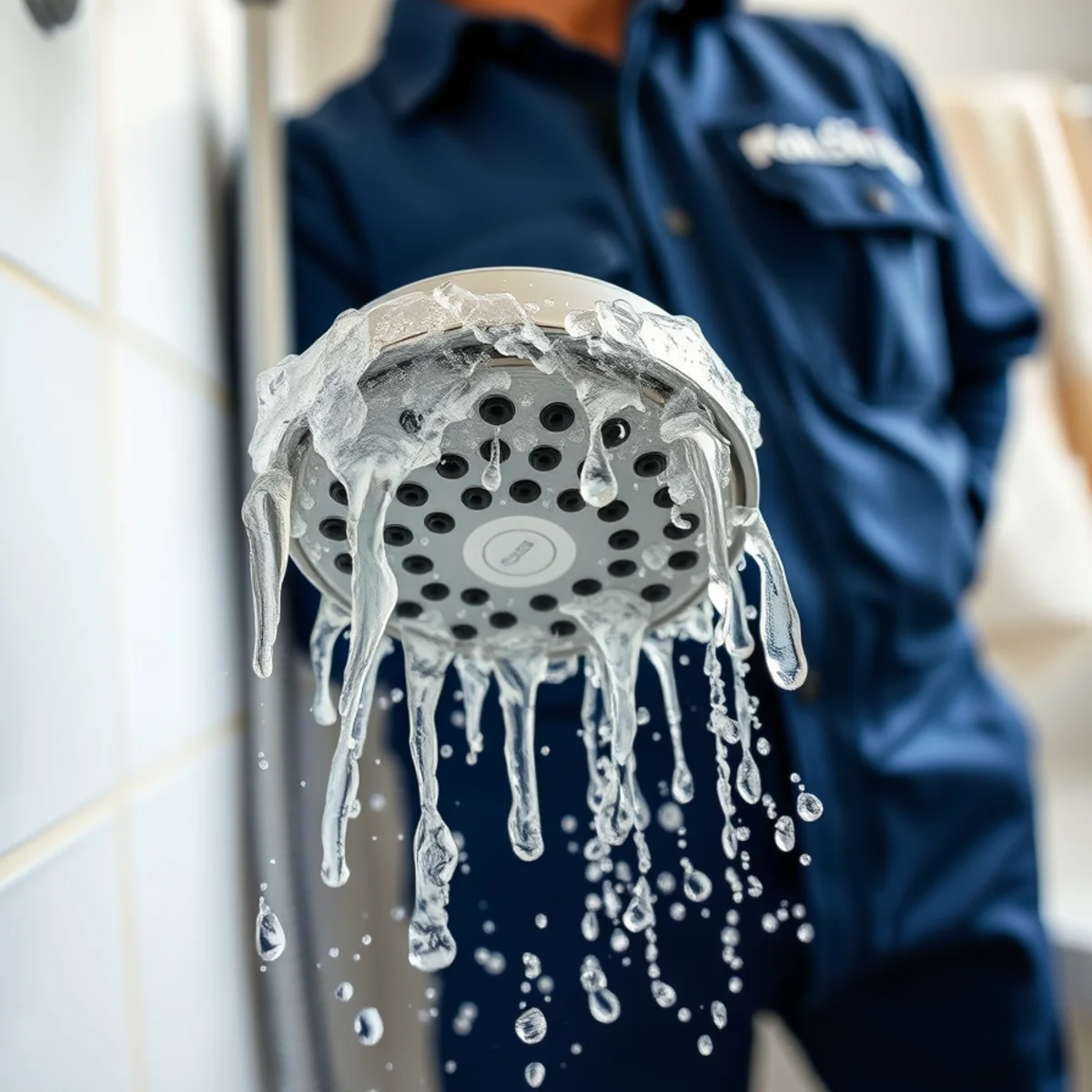
The visible evidence of hard water is everywhere in these houses — scale on fixtures, spotting on glassware, shower doors that never look clean, water heaters that fail early. The same process is happening inside the pipes where you cannot see it.
Whole-house softening or conditioning genuinely slows the deposition that drives pitting. It is not a cure for pipe that is already fifty years into the process, but for a household planning to stay put it changes the trajectory and it extends water heater life noticeably.
For the pipe already in the walls, the practical approach is early detection. The signs are indirect: a water bill increase with no change in usage, running water audible with everything off, a musty smell in one room, a warm patch on the floor.
When we detect here we start at the meter, thermal image, then moisture map to narrow the location before anything is opened. Non-invasive detection turns a wide search into one small access point, which is the difference between a plumbing repair and a demolition project.
The scopes we run most often at this address type. Every one is available 24/7.
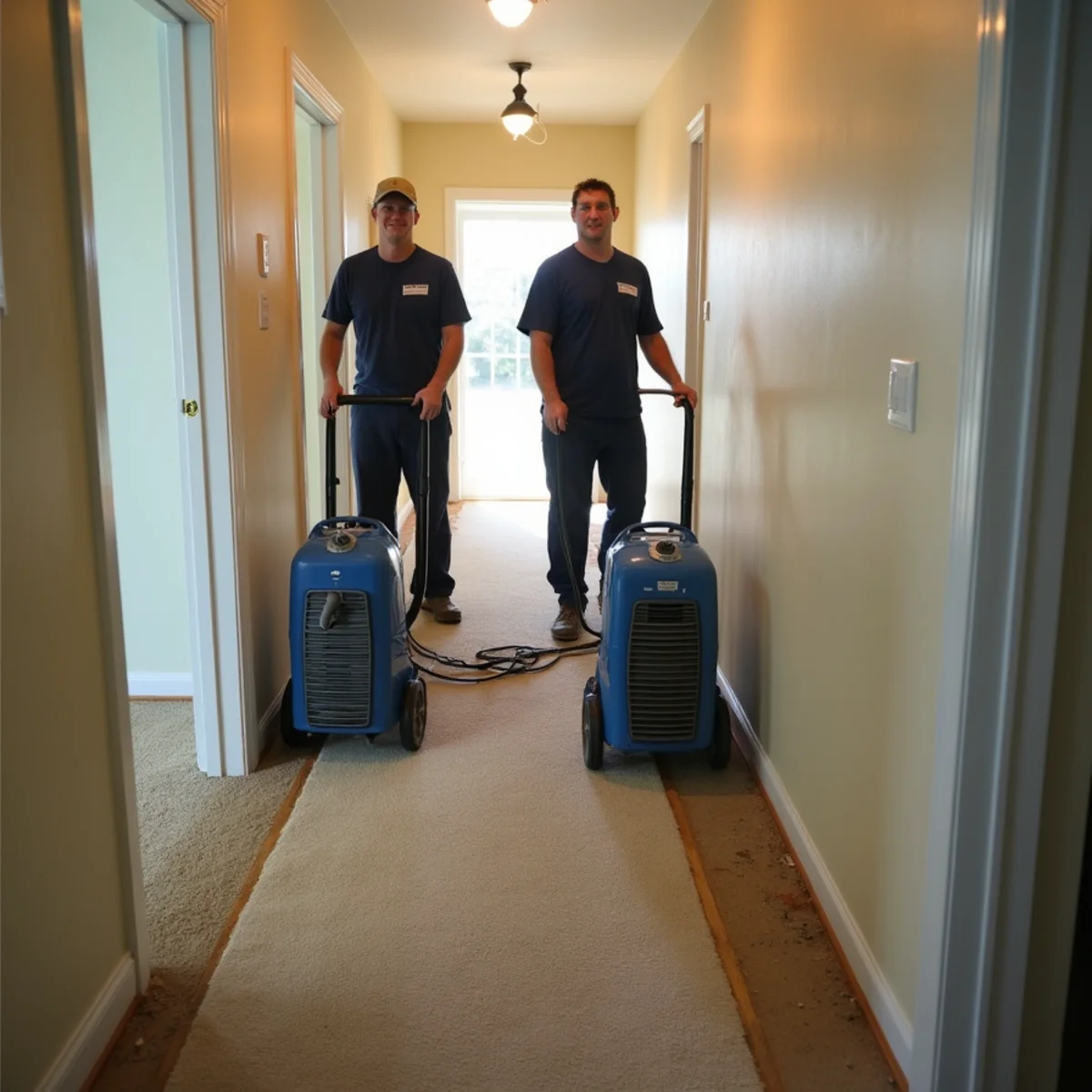
Thermal imaging, acoustic equipment and moisture mapping locate the leak before we open anything — one small repair, not an exploratory demolition.
Leak Detection in FullertonFullerton's most common hidden loss. Detection, plumber coordination, slab drying and full restoration on one file.
Slab Leak Damage in FullertonForty gallons on a garage floor, plus whatever the supply line adds. Fast extraction, drywall and drying before it reaches the house.
Water Heater Leaks in FullertonContainment, HEPA filtration, source removal and independent clearance testing — plus fixing the moisture that caused it.
Mold Remediation in FullertonBalanced air movers and dehumidifiers, daily moisture logs, and a documented dry standard — so nothing is left wet behind the wall.
Structural Drying in Fullerton1970s family housing where fifty years of hard water has done predictable things to otherwise sound copper.
From our S Raymond Ave base with dispatch inside the hour.
Heat accelerates the chemistry and adds thermal cycling, which is why a warm spot on a Parks floor is so diagnostic.
Meter, thermal, acoustic and pressure test all pointing at the same place before concrete is opened.
It slows further deposition and extends water heater life; it does not reverse fifty years of pitting, and we say so.
It slows the process that causes them rather than reversing damage already done. Softening or conditioning reduces the mineral deposition that drives pitting corrosion, and it noticeably extends water heater life. For pipe that is already fifty years into the process it is a mitigation, not a cure — but for a household staying long term it changes the trajectory.
Two reasons. Heat accelerates the corrosion chemistry, and hot lines expand and contract with every use, which adds mechanical stress the cold line never sees. That combination is why hot-water slab leaks are far more common than cold, and why a warm spot on the floor is such a specific symptom.
Not necessarily, but you are in the window where the risk rises. The useful response is not pre-emptive repiping, it is knowing the four early signs — unexplained bill increase, running water heard with everything off, a musty smell in one room, a warm patch on the floor — and acting on any of them rather than waiting.
Usually, yes — and that is the question worth asking rather than whether the one repair held. Pitting corrosion is a system-wide process driven by the same hard water running through the same pipe of the same age, so a single pinhole is a report on the condition of the whole system. Ask your plumber what the pipe looked like along its length where they cut in. Visible pitting away from the repair means end of life, not bad luck.
We cover Parks alongside the surrounding neighbourhoods and cities.
Family-oriented 1960s pocket near Gilbert Park; original systems in the active replacement window with copper at pinhole age.
1950s–60s tracts along Magnolia Avenue; among Fullerton's earliest post-war plumbing, now at the end of its service life.
1950s–70s tracts toward the Buena Park border; uniform construction era means simultaneous repipe demand across whole blocks.
Dense 1960s–70s tracts with high rental density; frequent tenant-caused overflow and appliance-line failure jobs.
1950s–60s entry-level tracts; some of the city's oldest post-war plumbing and the highest rate of galvanized-line failures outside downtown.
Sometimes it dries in place and sometimes it has to go. Four factors decide, and the insulation behind it usually decides for you.
Read the guideThe scale on your shower door is happening inside your pipes too. Here is the mechanism, which homes are in the window, and what genuinely helps.
Read the guideCrews dispatched within 60 minutes — on-site in 60–90 minutes. Fullerton Water Damage Pros · 1500 S Raymond Ave, Fullerton, CA 92831 · +1 (201) 277-9344.