HOA and Condo Water Damage: Unit Owner vs. Common-Area Responsibility in California
Your CC&Rs decide this, not general rules — and most owners discover the gap in their HO-6 policy during a claim rather than before.
Read the guide24/7 emergency line — crews dispatched within 60 minutes
1500 S Raymond Ave, Fullerton, CA 92831

28–38 minutes from our Fullerton base
Seal Beach is 28 to 38 minutes from our Fullerton base, at the outer edge of our radius, and we serve it primarily for larger losses.
It is a coastal community with a substantial senior housing population, and both of those facts change how a water loss is handled.
Seal Beach: 28–38 minutes · dispatch within 60 minutes
+1 (201) 277-9344Coastal humidity is the dominant technical factor. The marine layer keeps ambient moisture high and keeps it high overnight, which slows evaporation and makes closed-system drying with substantial dehumidification capacity essential. Ventilating with outside air, which sometimes helps inland on a dry afternoon, usually makes things worse here.
That same ambient humidity means mold risk after a loss is elevated. The 24 to 48 hour window is less forgiving when the surrounding air cannot absorb moisture readily.
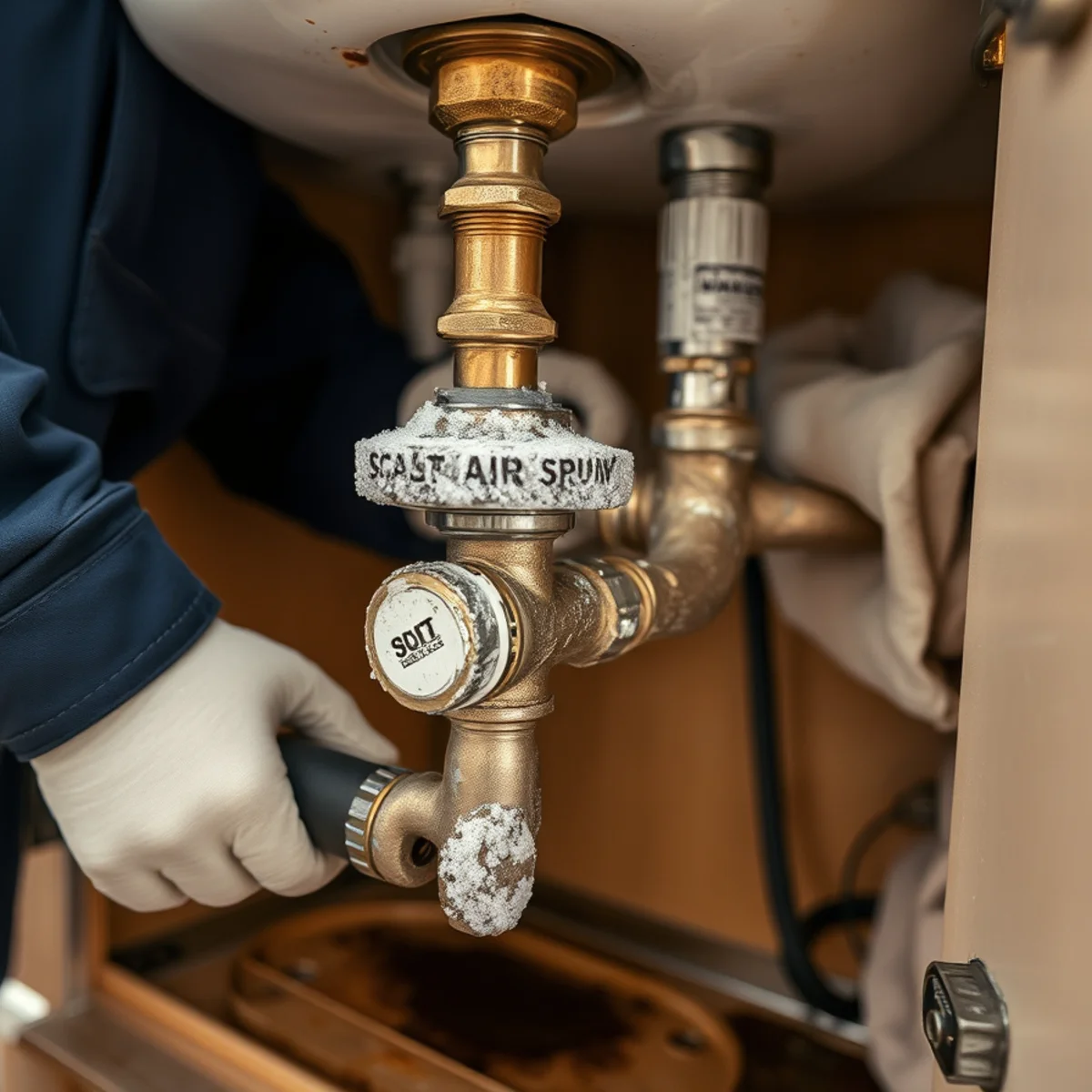
Salt air accelerates corrosion on supply lines, fixtures, fasteners and appliance components, so plumbing reaches end of life sooner than the equivalent inland.
Managed and senior communities add a coordination dimension. Work has to be scheduled around residents with reduced mobility, association rules govern access and hours, and responsibility is frequently split between the association and the unit owner in ways that need documenting from the first hour.
On association property the responsibility question is live immediately: what is common area and what is the owner's, and which policy responds. We document cause and origin before anything is disturbed and scope separately so both the association's carrier and the owner's can see their share.
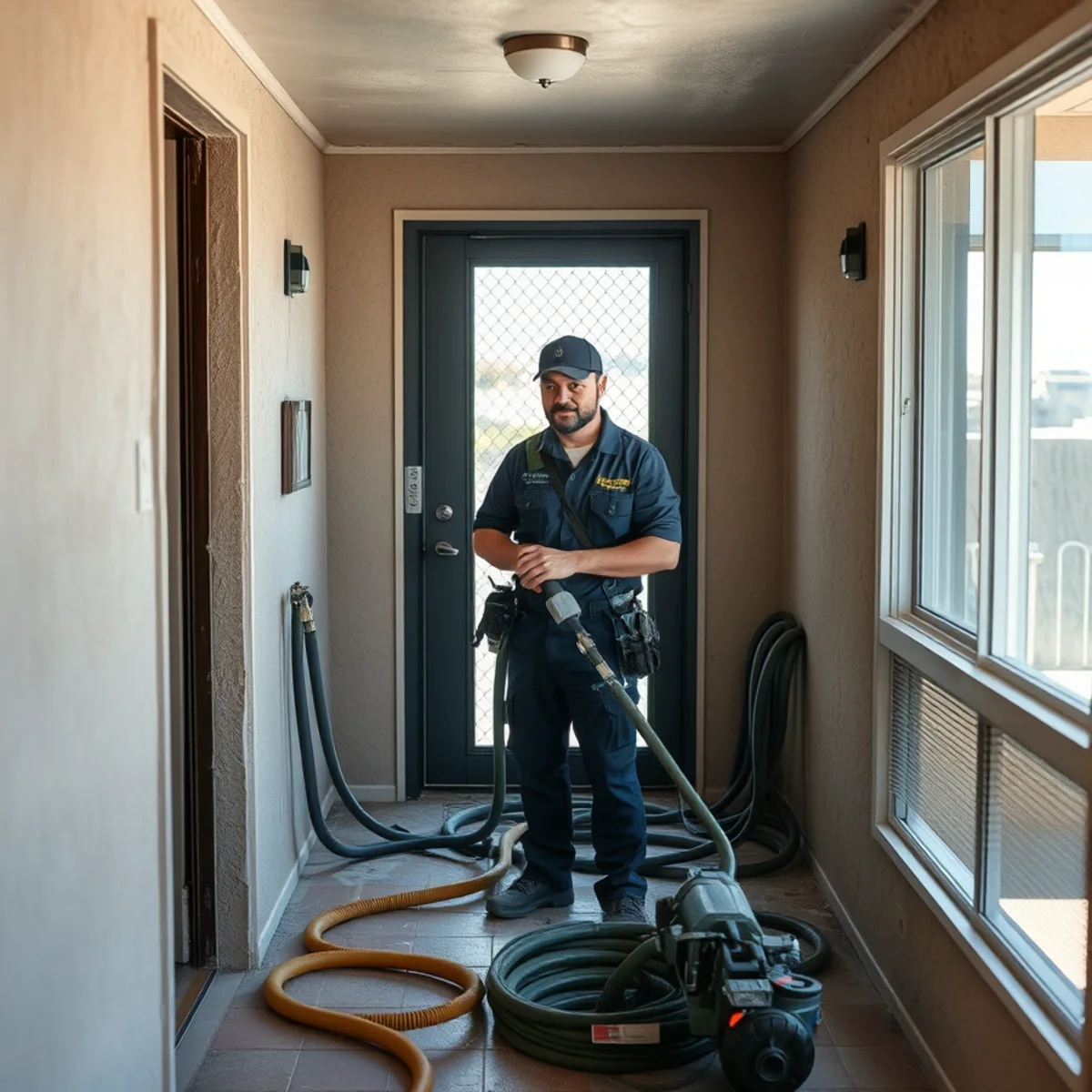
Practically, we plan around residents rather than around our own convenience — equipment placed so walkways stay clear, noise managed as far as drying physics allows, and clear timing communicated in advance.
On the drying itself we plan for coastal conditions from the outset rather than applying an inland equipment formula and wondering why readings stall on day three.
The scopes we run most often at this address type. Every one is available 24/7.

Balanced air movers and dehumidifiers, daily moisture logs, and a documented dry standard — so nothing is left wet behind the wall.
Structural Drying in FullertonContainment, HEPA filtration, source removal and independent clearance testing — plus fixing the moisture that caused it.
Mold Remediation in FullertonA real person answers at 3 a.m. Crews dispatch within 60 minutes, on-site in 60–90, with extraction gear on the first truck.
Emergency Water Removal in FullertonTruck-mounted and portable extractors pull free water out of carpet, pad, tile and subfloor before it wicks into the structure.
Water Extraction in FullertonOne company from the first extraction to the final coat of paint — no handoff between a mitigation crew and a rebuild contractor.
Residential Restoration in FullertonCoastal humidity and managed-community coordination change how a job here has to run.
Closed system with substantial dehumidification. Ventilating with outside air makes it worse.
Cause and origin recorded before anything is disturbed, scoped separately for the association and the owner.
Walkways kept clear, hoses routed considerately, and clear timing communicated in advance.
The outer edge of our radius, and we serve it mainly for larger losses.
Because the marine layer keeps ambient humidity high, including overnight, so wet materials release moisture more slowly and stay wet longer. The 24 to 48 hour colonisation window is less forgiving when the surrounding air cannot readily absorb what you are trying to evaporate.
It depends on the CC&Rs and on where the failure originated, and it is settled with documentation. Generally common structure and shared systems are the association's and the unit interior is the owner's, but the cause of loss can shift that entirely. We document cause and origin before anything is disturbed and scope each party separately.
Yes. Managed communities add a coordination dimension — association rules on access and working hours, residents with reduced mobility to plan around, and a responsibility split between the association and the unit owner that needs documenting from the first hour. We scope each party separately so both carriers see their own share.
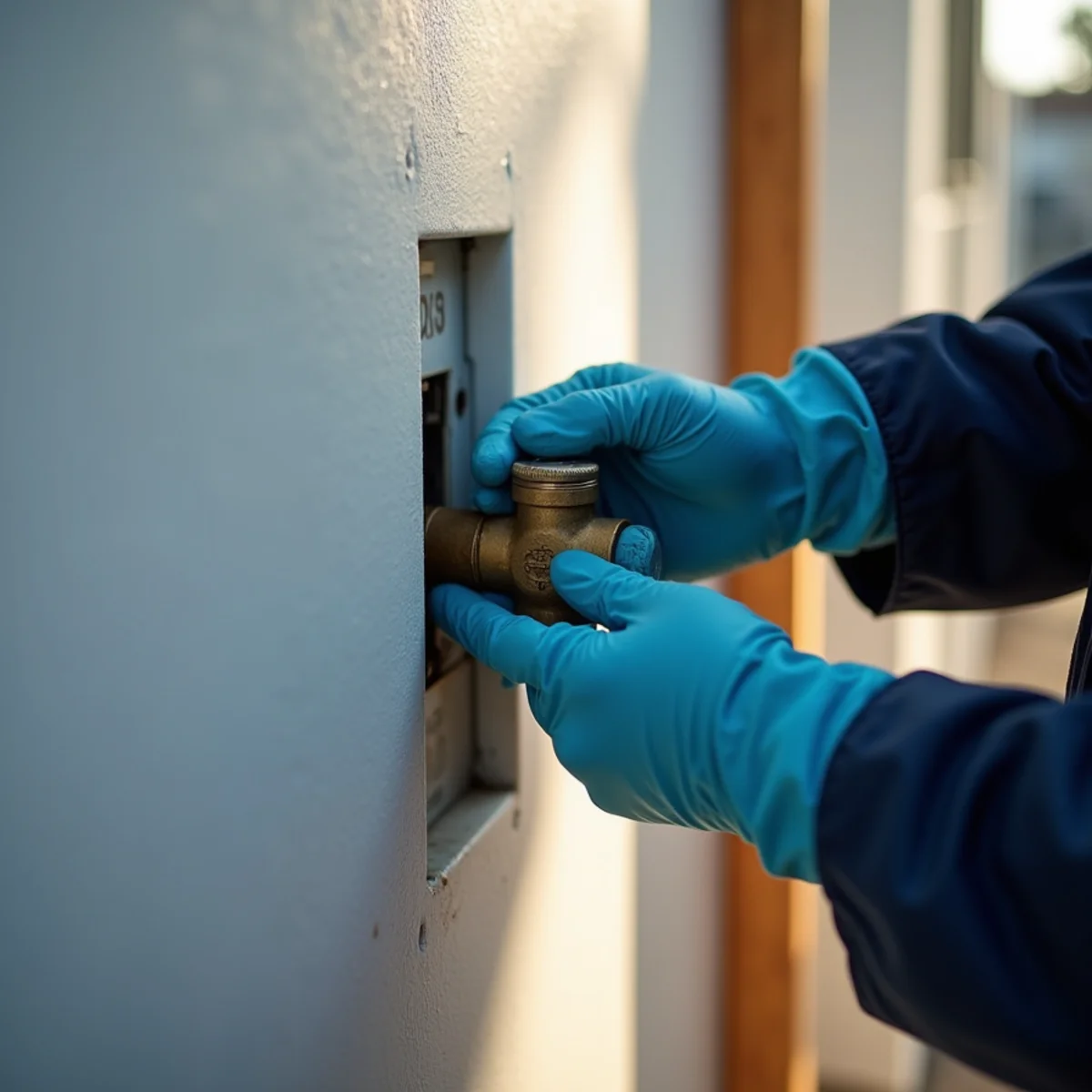
Close the house main every time you leave. It is free, it takes ten seconds, and it eliminates the single worst category of loss — a supply failure running unattended for weeks. Add point-of-use leak sensors with a loud local siren at the water heater and any upstairs plumbing, and give a neighbour a key. In a Seal Beach property standing empty, a burst line discovered on return is a rebuild rather than a repair.
We cover Seal Beach alongside the surrounding neighbourhoods and cities.
Coastal city with salt-air corrosion and low-lying areas; at the ~30-minute edge of our radius, served for larger losses.
Beach city with salt-air corrosion and a high water table; at the ~30-minute edge, served for larger losses.
Dense 1960s–70s tracts with high rental and multi-family density; frequent tenant-caused overflow jobs.
Iconic 1950s post-war planned community; uniform construction era means synchronised repipe demand citywide.
Pre-1960 Little Saigon core plus 1970s–80s tracts; diverse housing stock with high rental density.
Your CC&Rs decide this, not general rules — and most owners discover the gap in their HO-6 policy during a claim rather than before.
Read the guideCrews dispatched within 60 minutes — on-site in 60–90 minutes. Fullerton Water Damage Pros · 1500 S Raymond Ave, Fullerton, CA 92831 · +1 (201) 277-9344.