
Emergency Guides
Burst Pipe? Your First-Hour Action Plan to Stop the Damage
The first sixty minutes decide whether this is a cleanup or a reconstruction. Here is the order of operations, and the three things not to do.
The short answer
Shut the main water valve first, then cut power to any circuit the water has reached, then call a restoration company before your insurer. Photograph everything before you touch it, and lift what you can off the floor. Those five actions, in that order, decide whether this is a cleanup or a reconstruction.
A supply line under pressure does not empty and stop. It runs at full household pressure until somebody closes a valve, and in that time it will put more water into your house than most people imagine.
So the order of what you do matters more than the speed. Work through this list in sequence.
Dealing with this right now?
Crews dispatched within 60 minutes — on-site in 60–90 minutes, anywhere in Fullerton. Call and we will talk you through the first two minutes while a crew is dispatched.
- 60-minute dispatch, anywhere in Fullerton
- IICRC-aligned · licensed & insured
- Direct insurance documentation
Minute 1 to 3: Shut The Water Off
Everything else waits. Until the water stops, every other action is being undone faster than you can do it.
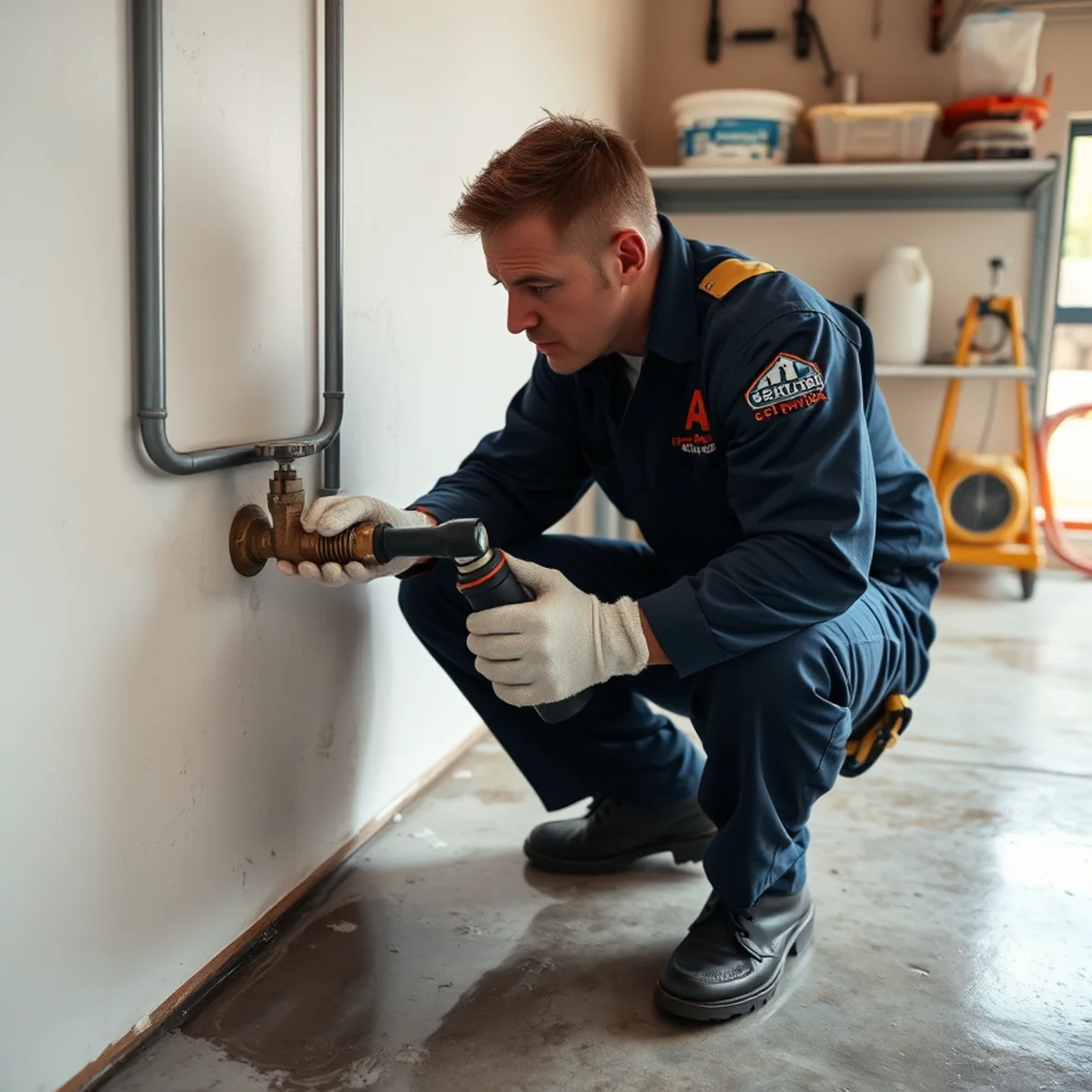
In most Fullerton homes the main shut-off is in one of three places. On the 1950s to 1970s tract housing across Sunny Hills, West Fullerton and Commonwealth, look at the front of the house on the exterior wall nearest the street, or in the garage where the supply enters. There is also a street-side valve in the meter box at the kerb, though that usually needs a meter key.
On the older downtown and Lemon Park houses, it may be in a utility area, at a crawl-space access, or on an exterior wall that has been painted over enough times that the handle no longer turns easily.
- Ball valve — a lever handle that turns a quarter turn. Perpendicular to the pipe means closed.
- Gate valve — a round wheel. Turn clockwise, several full turns, to close.
- If the valve binds hard, stop. Snapping a corroded gate valve stem turns a leak into a flood you cannot stop.
- If the source is one fixture, its individual angle stop under the sink or behind the toilet will isolate it without killing the whole house.
Minute 3 to 5: Deal With Electricity
If water has reached outlets, appliances, an electrical panel or a garage sub-panel, shut the affected circuits off at the breaker box.
Only do this if you can reach the panel without standing in water. If you cannot, leave the house and tell us on the phone. That single piece of information changes how the crew approaches the property.
Do not wade through standing water to reach an appliance, and do not unplug anything that is sitting in water.
Minute 5 to 8: Call For Extraction
Call a restoration company before you call your insurer. That is not self-interest, it is sequencing.
Your policy requires you to take reasonable steps to prevent further damage, so starting emergency mitigation is expected and does not prejudice your claim. Meanwhile the carrier cannot do anything at 2 a.m. except take a first notice of loss, and you can do that once the water has stopped and you are not standing in it.
A plumber stops the source; they do not extract water, dry the structure, or produce the documentation an adjuster needs. If you have not already got a plumber, we can coordinate one.
Minute 8 to 20: Photograph Everything Before You Touch It
This is the step people skip and regret. Once cleanup starts, the evidence is gone.
Take wide shots of every affected room from a doorway, then close-ups of the failure point itself, then photograph the water line on the walls. Those wall lines matter enormously — an adjuster reads them to establish how high the water stood, and that sets the scope of what gets replaced.
Video is better than stills for the overall walkthrough. Narrate it: what room you are in, what you are looking at, and the time.
Photograph contents too, especially anything on the floor. Boxes, rugs, furniture legs, the bottom of cabinets.
Minute 20 to 60: Limit The Spread
Now you can start moving things, and there is a right order to that as well.
Get electronics, documents, photographs and anything irreplaceable to a dry part of the house. Lift what you can from the floor.
For furniture that cannot be moved, put aluminium foil or small wood blocks under the legs. Furniture finish bleeds into wet carpet and stains it permanently, and it also stains the furniture.
Open interior doors and closets in affected rooms so air can move. Leave exterior windows alone unless it is a genuinely dry, warm afternoon — during a winter storm or an evening with the marine layer in, opening windows makes drying worse.
- Do not use a household shop vac on standing water. It is an electrical risk, and it pulls almost nothing out of carpet pad or subfloor.
- Do not run ceiling fans under a wet ceiling. You are loading a fixture that may already be holding water and pushing contaminated moisture around.
- Do not lift wet carpet yourself. Done wrong it stretches, delaminates and cannot be reset — and it may be salvageable if left alone.
- Do not wait until morning. Water wicks up drywall at roughly an inch an hour, and mold begins colonising at 24 to 48 hours.
What Happens After The First Hour
When a crew arrives, the first thing that happens is not extraction — it is documentation and moisture mapping. Thermal imaging finds water behind walls, meters confirm actual moisture content in materials, and that map becomes the written scope of work.
Then extraction, then drying equipment placed the same visit. Air movers and dehumidifiers work as a balanced system; fans alone raise the humidity in a closed room until evaporation stalls.
Expect three to five days of drying on a typical residential loss, with readings taken daily against a dry reference area of your own house. Materials are dry when they match that reference, not when the surface feels dry.
Find Your Shut-Off Before You Need It
Every part of this plan depends on one thing: knowing where the water shuts off and being able to turn it. The single most common reason a burst pipe becomes a large loss is five minutes spent looking for a valve in the dark while water runs.
Take ten minutes this week and do this once. It is the highest-return maintenance task in this entire article, and it costs nothing.
- Locate the house main shut-off. On most Fullerton slab homes it is on an exterior wall near the front hose bib, or in the garage where the line enters.
- Actually turn it, both directions. Old gate valves seize, and discovering that during an emergency is the worst possible time. If it will not move, have it replaced with a quarter-turn ball valve.
- Locate the street meter box too, in the parkway. Keep a meter key with the shut-off — a screwdriver and pliers will not turn it reliably.
- Find the individual angle stops under every sink and behind every toilet, and turn each one. These seize even more often than the main.
- Note the water heater shut-off separately — it is on the cold inlet at the top of the tank.
- Then tell everyone in the house where the main is. A plan only one person knows is not a plan.
All 5 steps, in pictures
Each image matches the numbered item above it in the same order.
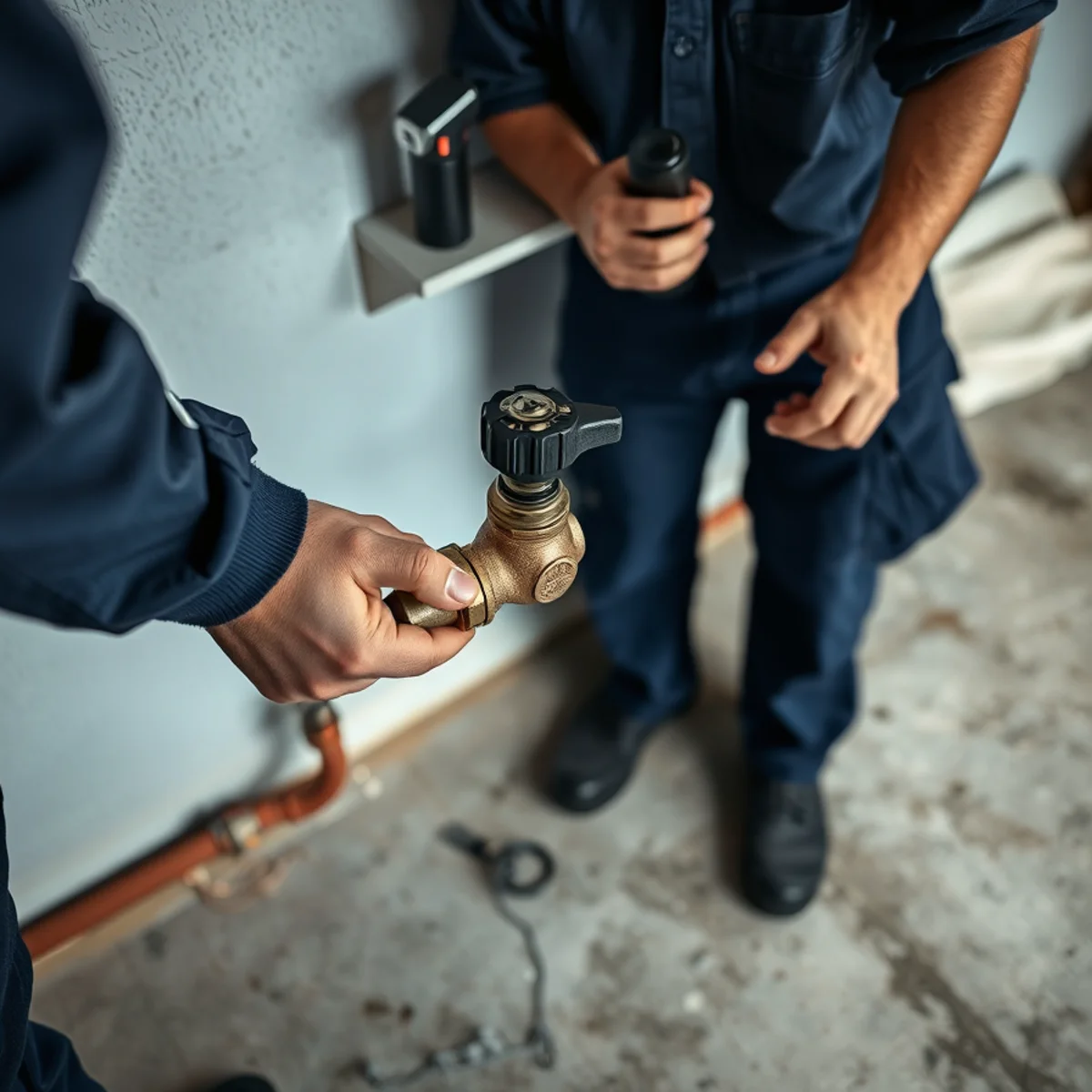
Closing the main water shut-off valve after a burst pipe
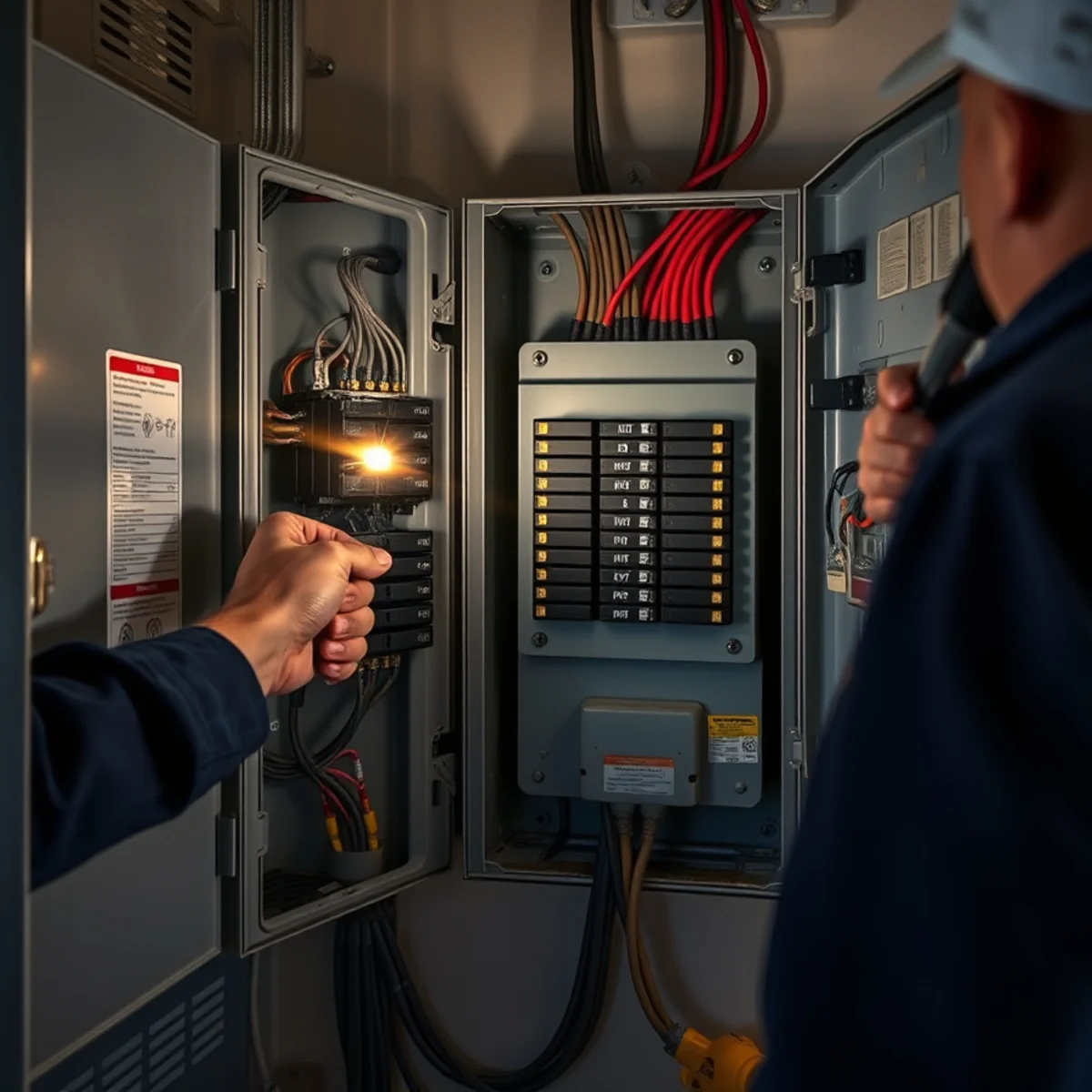
Switching off breakers before entering a flooded room
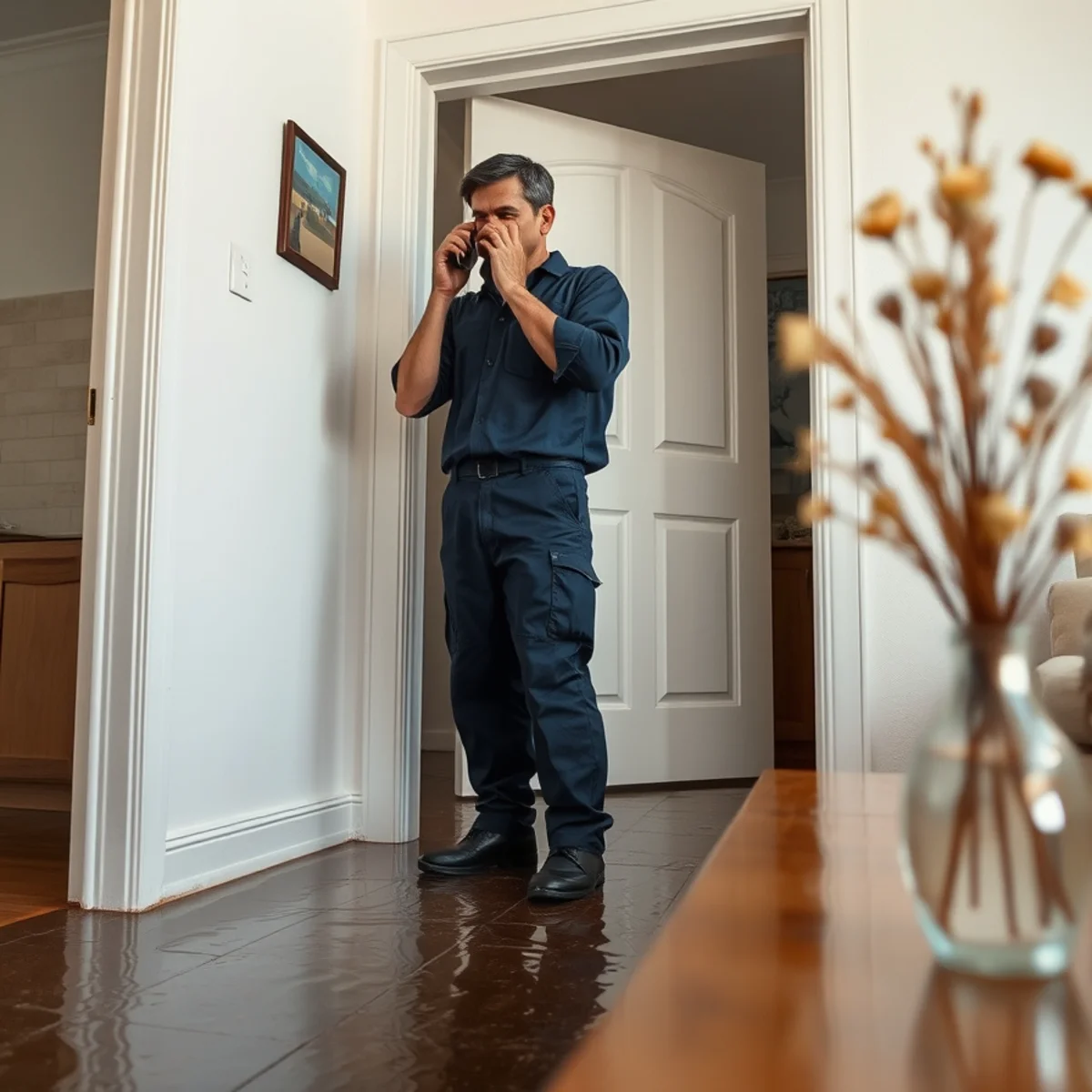
Calling a restoration company for emergency water extraction
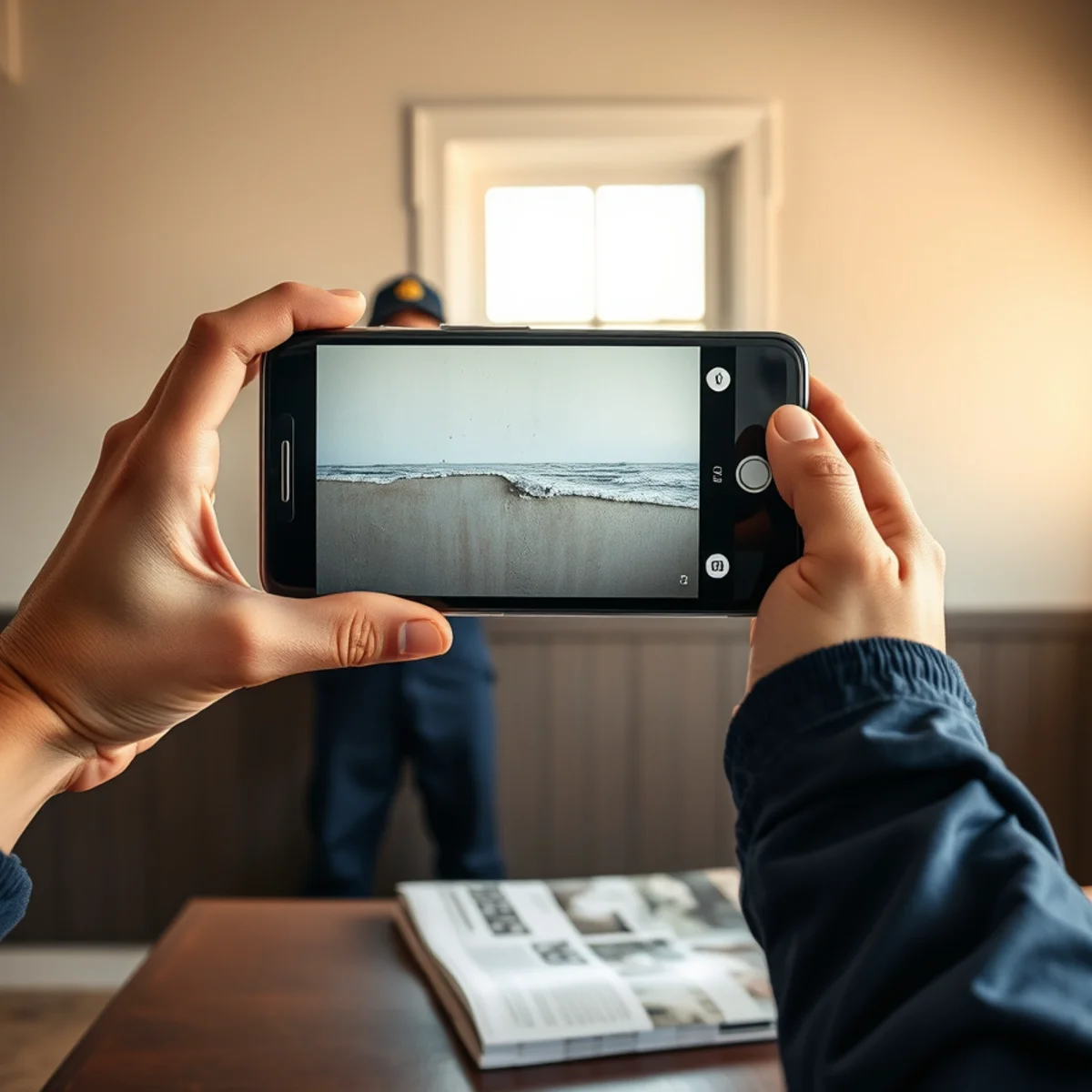
Photographing the water line on a wall before cleanup begins
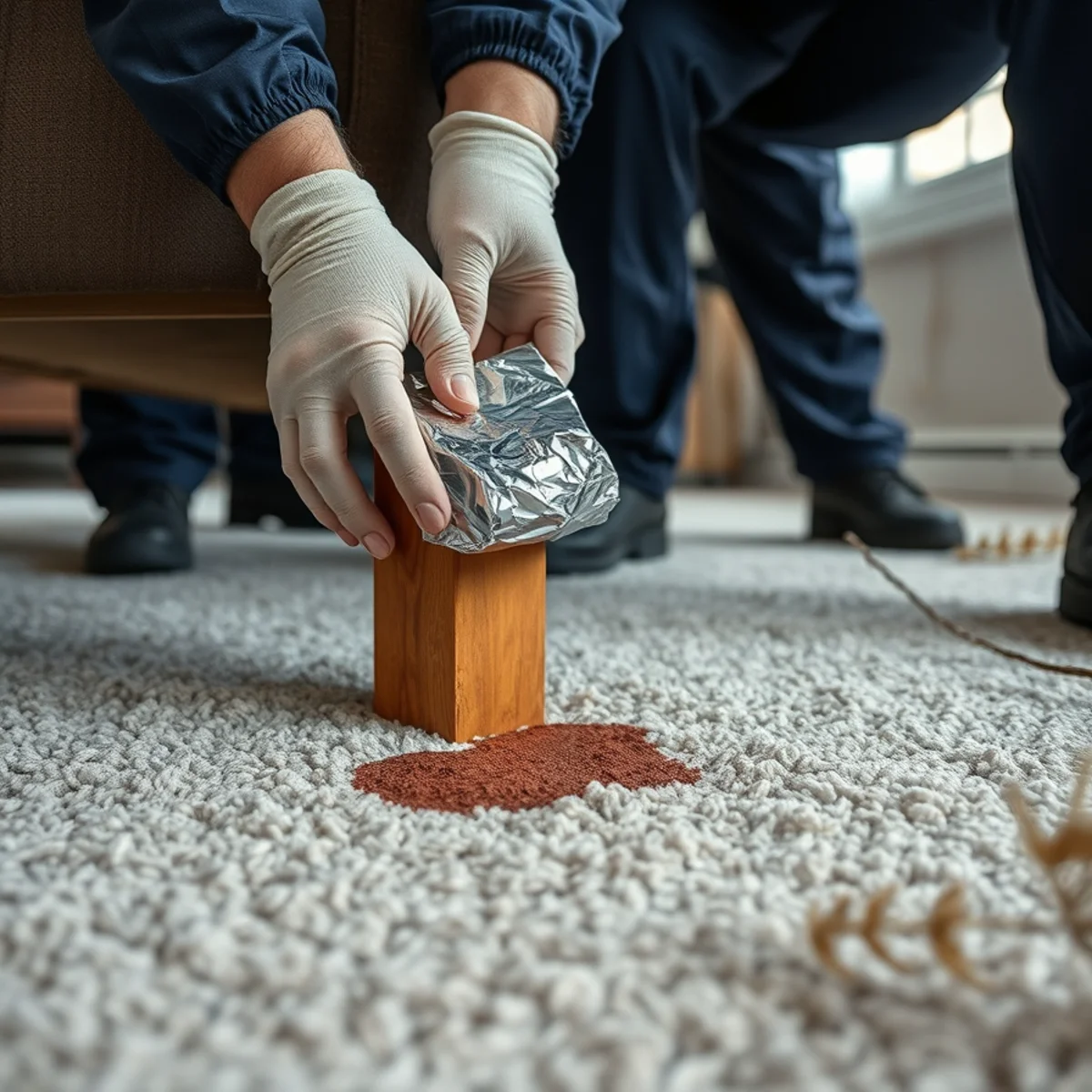
Placing foil under furniture legs to protect wet carpet
Frequently asked
Restoration first, then a plumber — or let the restoration company coordinate one. The plumbing repair is not time-critical in the way extraction is. Every hour of standing water spreads the loss, while the pipe can be repaired once the water is off.
Generally yes. A sudden and accidental pipe failure is the textbook covered peril under a standard California homeowners policy, including the resulting water damage, drying and repairs. The pipe itself is often excluded, and a leak the carrier can show was slow and long-running may be denied as gradual damage.
Only after the repair has been pressure tested. And if the failure was a pinhole in older copper, ask the plumber whether they saw pitting elsewhere on the run — in Orange County's hard water, one pinhole is frequently the first of several.
The bottom line
Two things decide the size of a burst pipe loss: how fast the water was shut off, and how fast extraction started. Everything else is detail.
If a pipe has failed in your home right now, stop reading and call. Our crews dispatch within 60 minutes and are on-site in 60 to 90 anywhere in Fullerton.