
Commercial & Property Managers
Water Damage in a Retail Space: A Response Plan for Downtown Fullerton Bar and Restaurant Owners
For a single-location business the restoration is rarely the biggest number. The closed days are. Here is the plan that shortens them.
The short answer
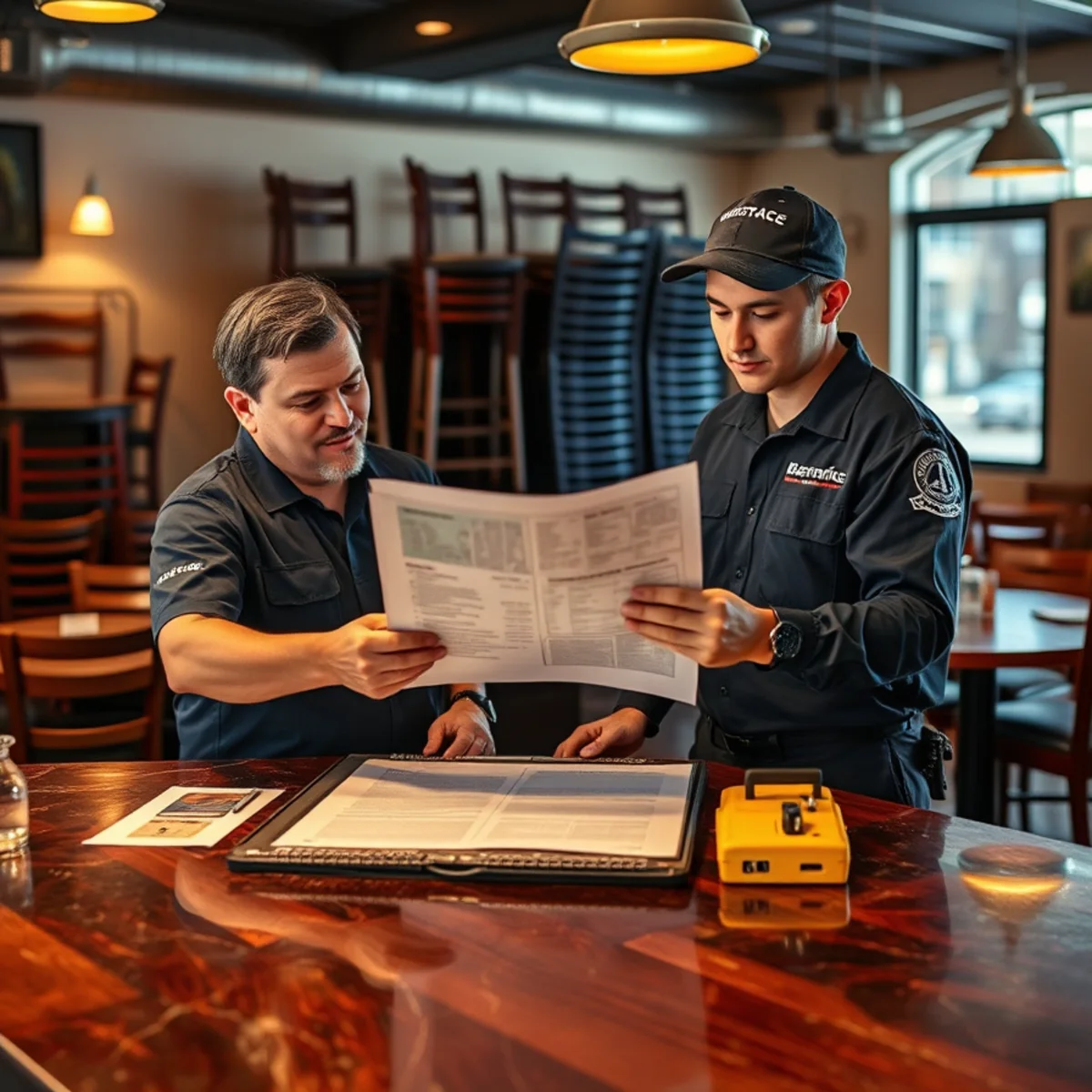
Write the one-page plan before you need it: shut-off locations, the sprinkler control valve, and the four numbers you will call. Then in the first hour — safety and power, stop the water, call restoration, protect stock, document, notify the landlord. The closed days cost more than the restoration.
For a single-location bar, restaurant or shop, the restoration invoice is rarely the number that hurts. The closed days are.
That means the goal of the response is not just to dry the building. It is to get you trading again as fast as physically possible, and to make sure the business interruption side of your claim is properly documented while it happens.
Dealing with this right now?
Crews dispatched within 60 minutes — on-site in 60–90 minutes, anywhere in Fullerton. Call and we will talk you through the first two minutes while a crew is dispatched.
- 60-minute dispatch, anywhere in Fullerton
- IICRC-aligned · licensed & insured
- Direct insurance documentation
Write The Plan Before You Need It
The first hour of a commercial water loss is not the moment to be working out who to call. Put this on one page and give it to every manager.
- Location of the water main shut-off, and where the key or tool for it is kept.
- Location of the electrical panel and which breakers control which areas.
- Location of the fire sprinkler control valve and your fire protection contractor's number.
- Restoration company, plumber, electrician and landlord or property manager contacts.
- Insurance carrier claims line and policy number, including business interruption details.
- A staff instruction sheet: what to shut off, what to photograph, what not to touch.
- Where stock and records are located, and which are highest priority to move.
The First Hour
In order, and the order matters:
Safety and power
Get staff and customers out of the affected area. If water has reached electrical equipment, panels or floor outlets, kill the affected circuits before anyone goes back in.
Stop the water
Main shut-off, or the isolation valve for the failed fixture. For a sprinkler discharge, this is the sprinkler control valve — and it needs someone who knows which one it is.
Call restoration
Before the carrier. Extraction is the time-critical step and every hour of standing water extends both the damage and the closure.
Protect stock and records
Get inventory, paper records and electronics up off the floor and out of the affected area. Photograph before moving where you can.
Document
Wide shots of every affected area, the source, water lines on walls and fixtures, and affected stock. Video with narration and a stated time.
Notify the landlord
If you lease, this is usually a contractual obligation and there is often a notice period in the lease. Do it in writing.
The Sprinkler Discharge Scenario
Worth planning for separately because it is the most common large commercial loss and it behaves differently from everything else.
A single activated head releases a very large volume very quickly, and it almost always happens overnight when the building is empty.
The water is not clean. It has been sitting in the sprinkler pipe for years and typically comes out black with corrosion products and scale. It stains carpet, ceiling tile, wall finishes and stock badly, and it is treated as Category 2 or worse.
It also travels fast across an open floor and goes down through floor penetrations into anything below.
The critical operational point: your building cannot legally reopen until the fire system is reset and recertified. That is a fire protection contractor's job, and it needs to run in parallel with the drying rather than after it. Have their number on the plan.
Trading Through It
This is where a restoration company either understands commercial work or does not.
The scope conversation should start with your trading hours and which areas have to stay open, not with an equipment list. From there the job gets phased: containment barriers isolate the work from the trading area, negative air keeps dust and odour out of the customer space, and revenue-generating areas are restored first even when a back-of-house area is the bigger loss.
Demolition, loud extraction and anything requiring an empty space happens after close. For a Downtown Fullerton restaurant or bar that means overnight; for retail it may mean before opening.
Our crews already run 24/7, so that is standard scheduling rather than a premium arrangement — and it is worth asking any contractor directly whether it is for them.
Food Service Specifics
Restaurants and bars carry requirements a retail unit does not.
Health department standards govern reopening. Sanitising has to meet food-service requirements, not general cleaning standards, and the reopening inspection is the real deadline rather than the drying completion date. We scope with that inspection in mind.
Grease lines and floor drains change the water category. A grease line backup is Category 3 from the moment it surfaces, which means containment, removal of porous materials and regulated disposal rather than extraction and drying.
Walk-ins and prep areas need particular attention — enclosed, cold, and difficult to dry, with condensation risk that can create a mold problem inside the coldroom itself.
And in Downtown Fullerton's older buildings, shared party walls mean a loss in your unit is frequently already in the neighbouring tenancy. That needs metering and documenting on day one, not discovering a month later.
Business Interruption Documentation
This is the part most operators get wrong, and it cannot be reconstructed afterwards.
Business interruption coverage pays for lost income during the restoration period. To claim it you need a dated record of which areas were unusable and for how long, and that record has to be created as the work happens.
What we provide on the restoration side: dated documentation of areas affected and closed, when work started and finished in each zone, the drying logs supporting the timeline, and a written scope showing what had to be done before reopening.
What you need to keep: daily sales records from before and during, staffing costs, any expenses incurred to reduce the interruption — temporary equipment, alternate premises, extra staffing to reopen faster. Those extra expenses are frequently covered and frequently unclaimed.
Start the file on day one, not when the adjuster asks.
All 6 steps, in pictures
Each image matches the numbered item above it in the same order.
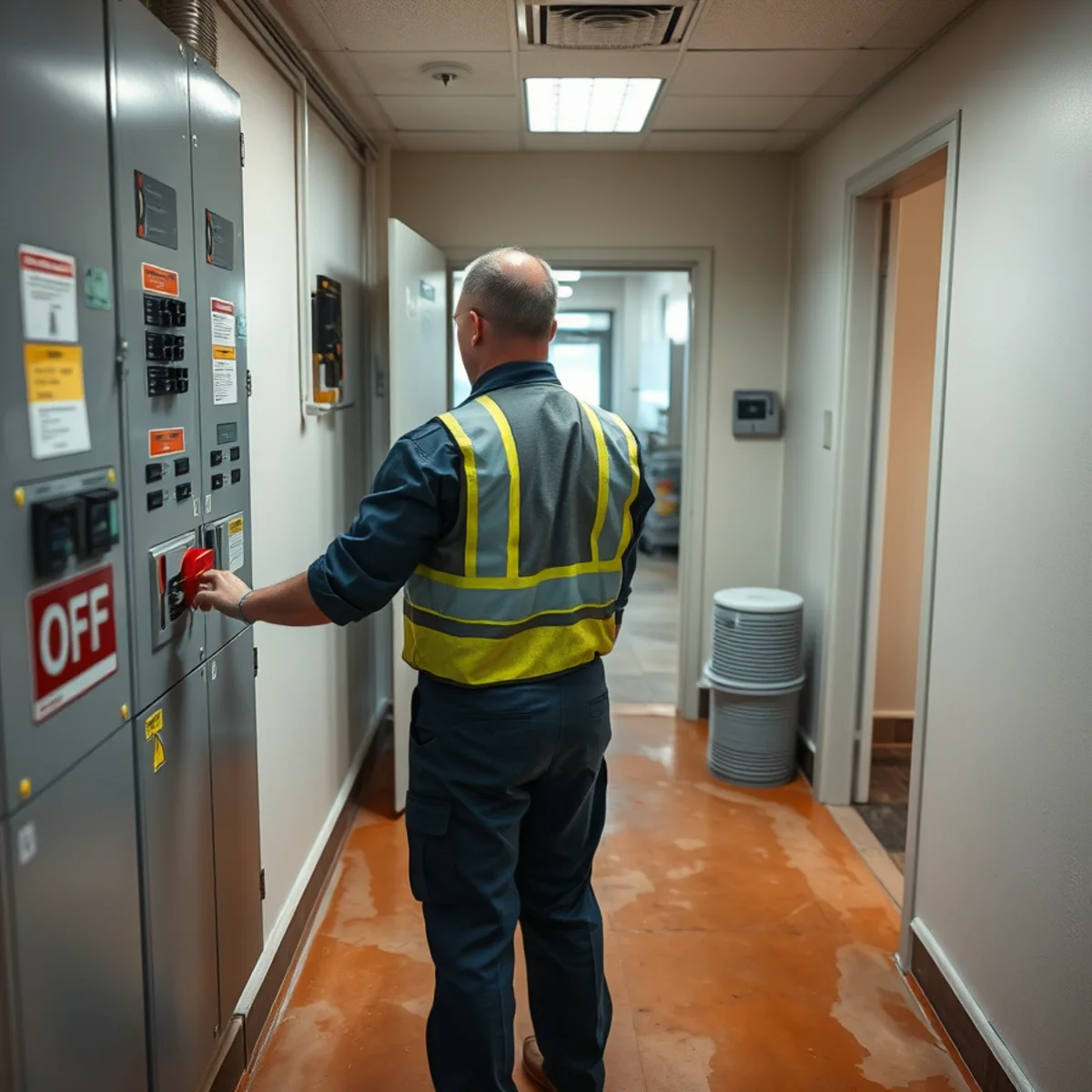
Isolating power before entering a flooded commercial space
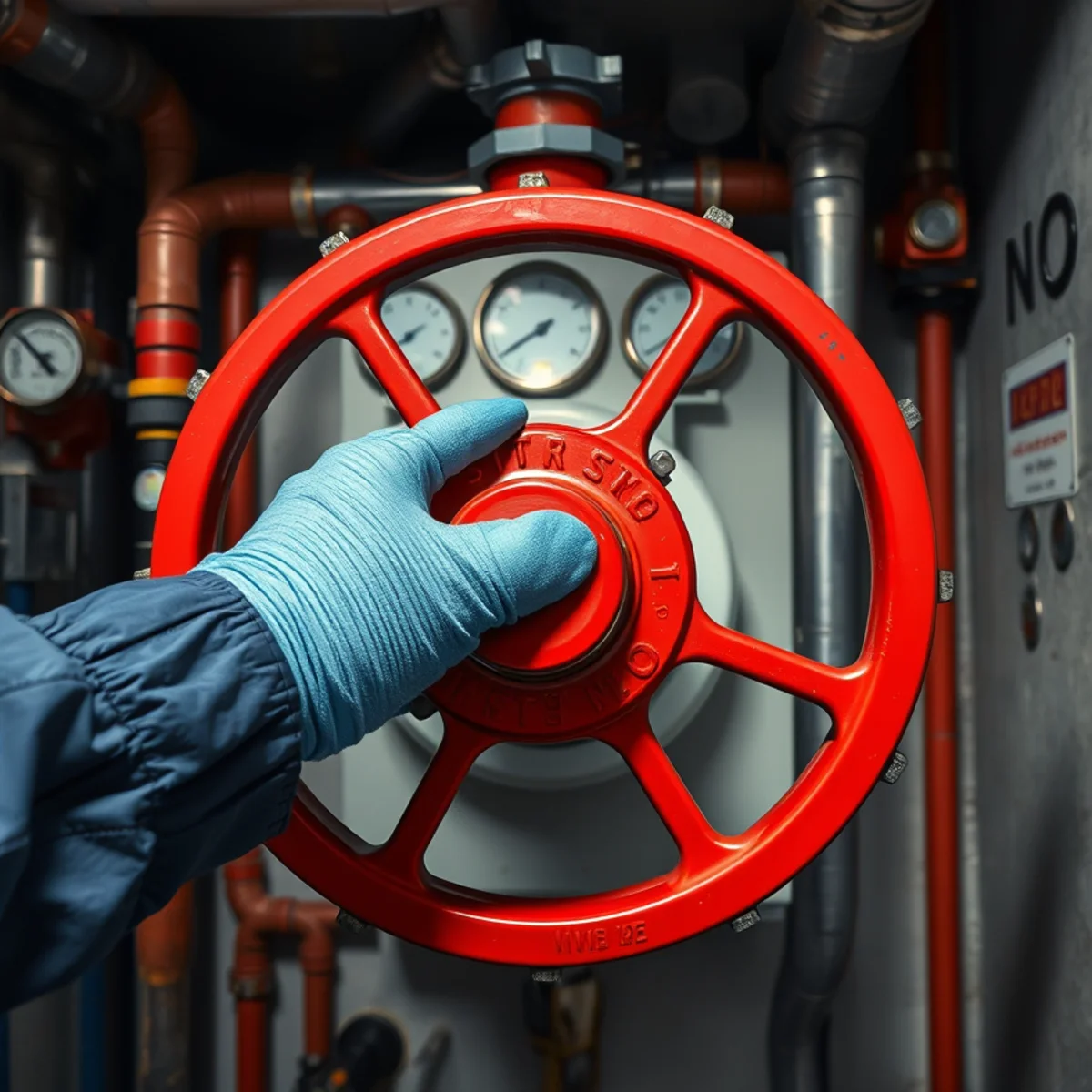
Closing the water or sprinkler control valve in a commercial building
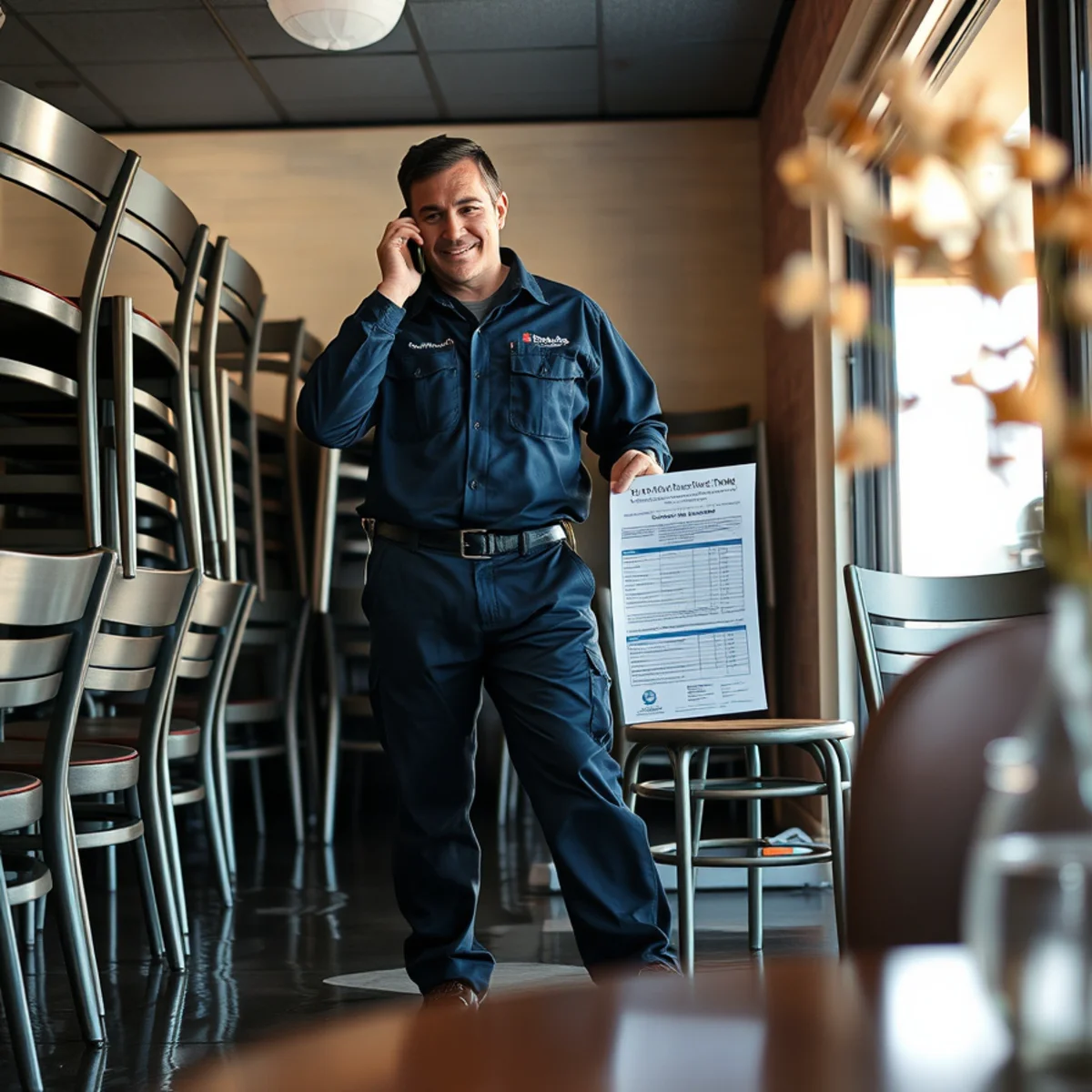
Calling a restoration company as the first commercial response step

Moving commercial stock and records clear of rising water
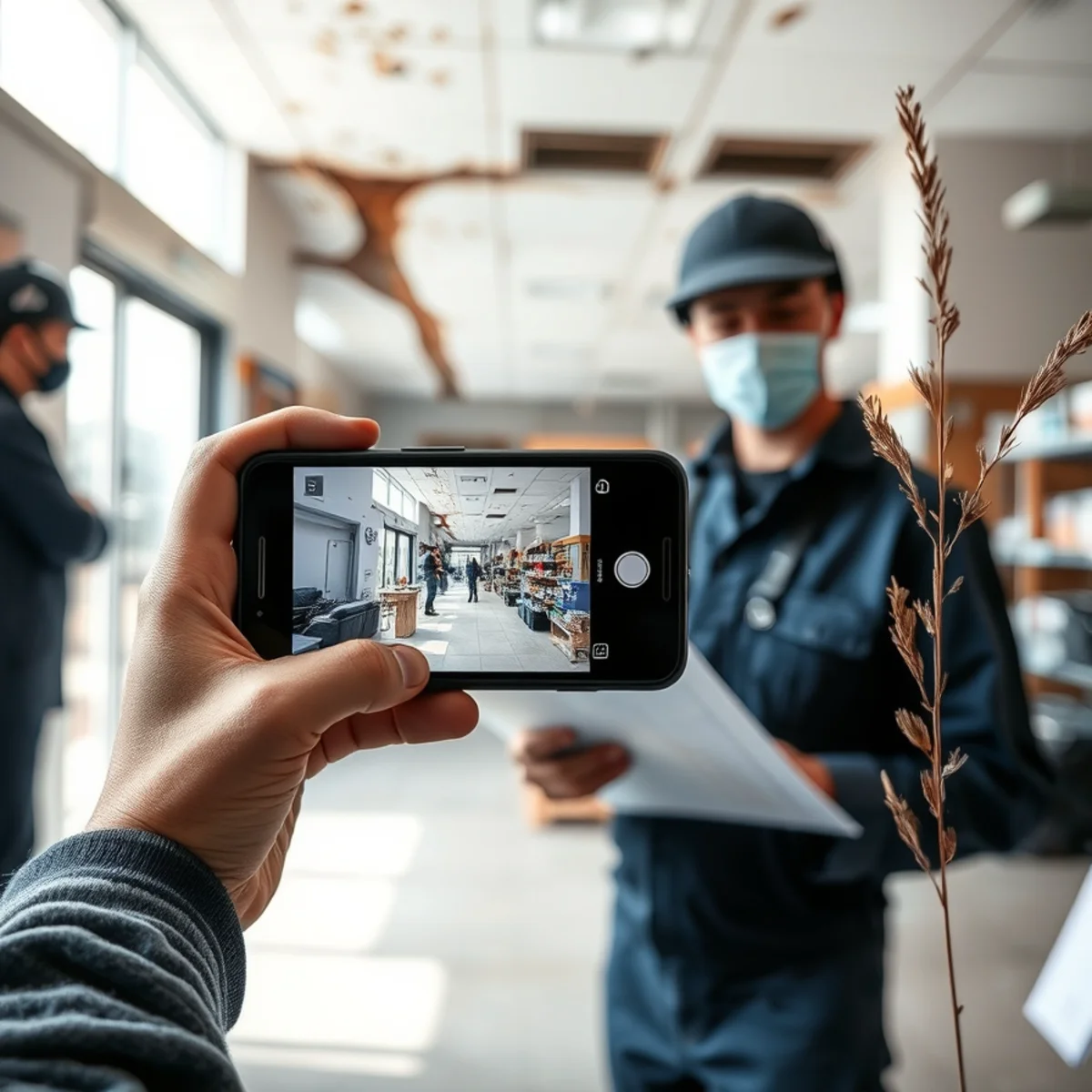
Documenting commercial water damage before cleanup begins

Notifying the landlord in writing after a commercial water loss
Frequently asked
Yes, and for a single-location business it is usually the right call. Containment keeps the customer-facing area usable while demolition and loud extraction happen after close. Our crews run 24/7 so overnight scheduling is standard rather than a premium — ask any contractor directly whether that is true for them.
Each tenancy is scoped separately, and each carrier sees only its own share — that is what stops a multi-tenant loss becoming an argument. Cause and origin get documented before anything is disturbed, because once demolition starts the evidence is gone. We meter your side of the shared wall regardless of what is visible from your suite, since water travelling along a common bottom plate rarely announces itself where it entered.
Usually yes, and phasing is what keeps a commercial loss from becoming a closure. Containment splits the building so the affected zone is sealed under negative air while the rest stays open, and the work is sequenced zone by zone rather than all at once. For food service the binding constraint is normally the health department sign-off rather than the drying, so that inspection goes in the schedule from day one.
The bottom line
Write the one-page plan now and give it to every manager. Shut-offs, contacts, and what to photograph.
Then, when it happens, phase the work around trading and start the business interruption file on day one.