Problem Solving
Category 1, 2, or 3? Why the Type of Floodwater Changes the Entire Cleanup
The category is the first thing a restoration crew establishes, because it decides what gets dried, what gets removed and what the job costs.
The short answer
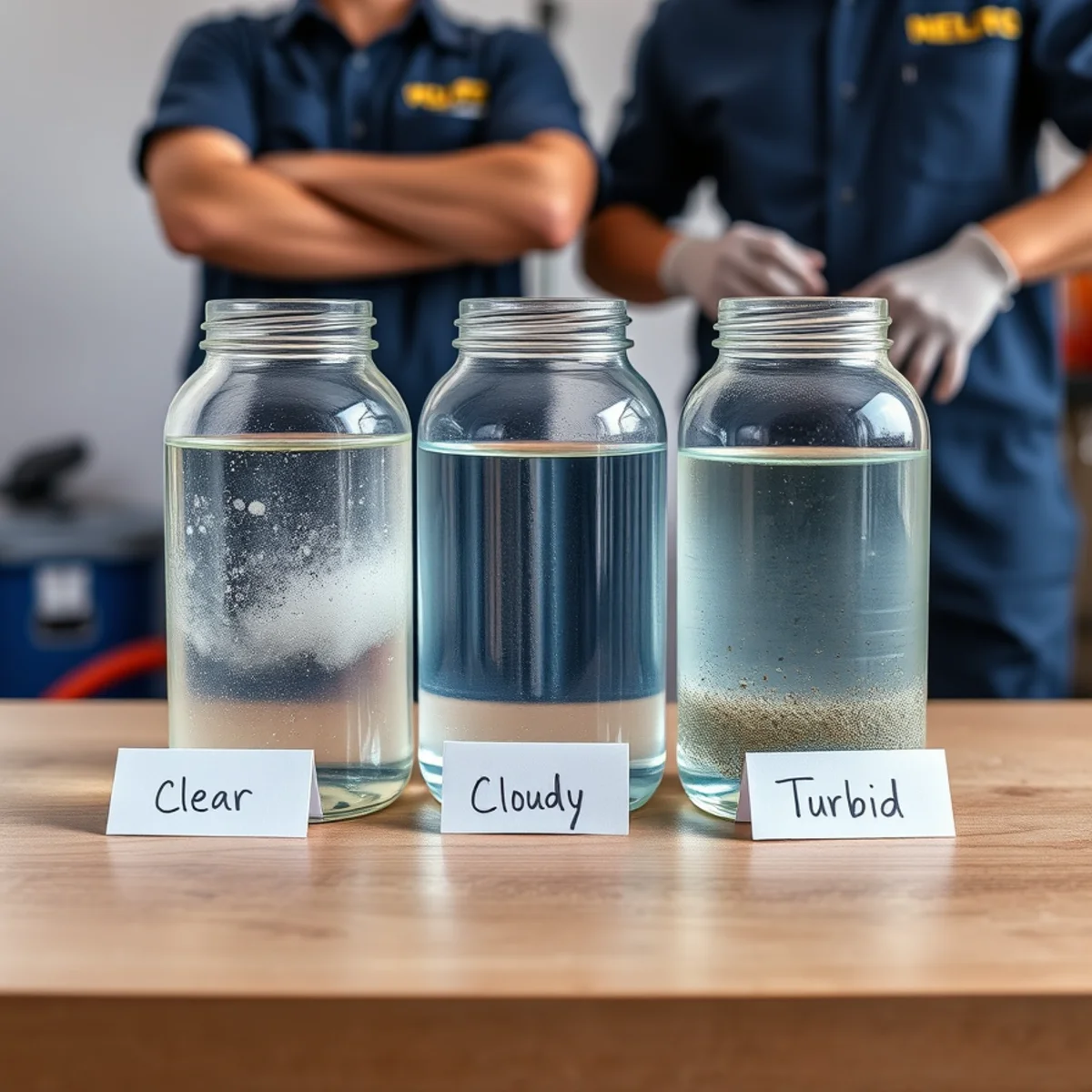
Category 1 is clean supply water and most materials are salvageable. Category 2 is grey water from an appliance or a toilet bowl, and removal thresholds rise. Category 3 is black water — sewage, or anything that came in from outside — and porous materials leave the building. Categories escalate with time, not just source.
Before any equipment comes off the truck, a crew establishes one thing: what kind of water this is.
That classification drives everything downstream — what can be dried in place, what has to be removed, what protective equipment is needed, how disposal is handled, and ultimately what the job costs.
Dealing with this right now?
Crews dispatched within 60 minutes — on-site in 60–90 minutes, anywhere in Fullerton. Call and we will talk you through the first two minutes while a crew is dispatched.
- 60-minute dispatch, anywhere in Fullerton
- IICRC-aligned · licensed & insured
- Direct insurance documentation
Category 1 — Clean Water
Water from a sanitary source that poses no substantial health risk. A supply line, a water heater, a toilet tank (not the bowl), a melting ice maker line, rainwater that came in through an opening without contacting soil.
It is drinkable water in the wrong place. Crews work without specialist protective equipment, and the priority is speed of extraction because most materials are salvageable.
Carpet and pad usually stay. Drywall can often be dried in place. Cabinetry is saved. This is the cheapest outcome available on a water loss and it is entirely dependent on getting there fast.
Category 2 — Grey Water
Water carrying significant contamination that could cause illness on contact or ingestion.
Washing machine or dishwasher discharge, toilet bowl water without solids, a failed aquarium, water from a waterbed, and — importantly — any Category 1 water that has been sitting.
That last point is the one people miss. Clean water degrades. Sitting for more than roughly 48 hours, or running through building materials and picking up contamination, moves Category 1 to Category 2 without anything else changing.
Removal thresholds rise. Carpet pad usually comes out. Affected materials need cleaning and antimicrobial treatment rather than drying alone. Crews use protective equipment.
Category 3 — Black Water
Grossly contaminated water containing pathogens, toxins or other harmful agents.
Sewage and any water from the sanitary line. Any water that entered from outside — storm runoff, rising water, water from a creek or channel — because it has crossed streets and soil. Water from a Category 2 source that has been sitting long enough to support serious microbial growth.
This changes the job completely. Containment barriers and negative air before anything else. Crews in full protective equipment. Occupants and pets out of the affected area.
And porous materials leave the building: carpet, pad, drywall in contact plus a margin above, insulation, particleboard cabinetry, upholstered furniture. They cannot be reliably decontaminated. Framing, concrete and tile are cleaned and then disinfected — cleaning first, because disinfectant over soil accomplishes little.
The Cost Difference, And Why
Broadly, Category 2 work costs meaningfully more per square foot than Category 1, and Category 3 costs substantially more again.
The driver is not the water. It is the material. On Category 1 you are drying and saving; on Category 3 you are removing, disposing as regulated waste, containing the work area, running negative air, and then rebuilding everything that came out.
There is a second cost layer on Category 3: reconstruction is guaranteed. On a clean-water loss caught quickly there may be no rebuild at all.
Insurance Treats Them Differently Too
Category 1 and 2 from a sudden internal failure are the textbook covered peril under a standard California homeowners policy.
Category 3 splits depending on where it came from. A sewage backup is excluded unless you carry a water and sewer backup endorsement — a few dollars a month, and one of the best-value add-ons for any Fullerton home on an original clay-tile lateral.
Category 3 from outside — storm runoff, surface water — is a flood loss, excluded from homeowners policies entirely, and requires separate NFIP or private flood coverage.
So on a Category 3 loss, the second question after 'is it contaminated' is 'where did it originate', because that determines whether anyone is paying but you.
The Clock Is Part Of The Classification
This is the practical takeaway and it is worth repeating.
Category is not fixed at the moment of the loss. Clean water becomes grey water with time and contact. Grey water becomes black water with time and microbial growth. The category can escalate while you decide what to do.
That is the strongest argument there is for calling immediately rather than waiting to see whether it dries. A burst supply line reported in twenty minutes is a Category 1 drying job. The same failure reported after a long weekend is a Category 2 removal job with mold already established.
Same water. Same pipe. Different job, and the only variable is elapsed time.
How to Tell Which One You Have
Source and elapsed time together determine the category. Work through these in order:
- Came from a supply line, water heater or toilet cistern, and found within a few hours: Category 1, and most materials can be saved.
- Came from a washing machine, dishwasher, toilet bowl without solids, or a failed aquarium: Category 2 from the outset.
- Came from the sanitary line, or entered from outside across streets, driveways or landscaping: Category 3, no matter how clear it looks.
- Clean water that has been sitting more than roughly 48 hours has degraded to Category 2 without anything else changing.
- Any water that has run through building materials and picked up contamination has moved up a category on its own.
- If you are unsure, treat it as the higher category until someone with a meter and a category chart tells you otherwise.
Why a Category Can Change After the Water Arrives
The category is not fixed at the moment of the loss. It describes the water as it is now, and clean water degrades over time as it sits in contact with building materials and whatever those materials contain.
This is the single most expensive thing homeowners do not know, because it means a job that would have been straightforward on Saturday is a different job by Wednesday — and the delay is what changed it, not the original leak.
- Category 1 water becomes Category 2 once it has been sitting long enough to support bacterial growth, generally measured in a day or two rather than a week.
- Contact changes it faster than time. Clean supply water that has run through a wall cavity, across a subfloor or into carpet pad picks up contaminants immediately.
- Temperature accelerates it. A closed-up Fullerton house in September is close to an incubator.
- Category 2 degrades to Category 3 as growth establishes, and once material is contaminated the classification does not improve by drying it.
- The practical consequence is the disposal rule. Category 1 carpet is often saved; the same carpet at Category 2 usually is not.
- Which is why the useful question is never what the water was, but how long it has been there — and why calling on day one is a cost decision rather than an anxiety one.
Frequently asked
Source and time. Supply line, water heater or toilet tank, caught immediately: Category 1. Appliance discharge, toilet bowl, or clean water that has sat more than about 48 hours: Category 2. Sewage or anything that came in from outside: Category 3, regardless of how it looks.
Non-porous materials, yes — framing, concrete, tile and hard surfaces are cleaned then disinfected and retained. Porous materials that absorbed it, no. Carpet, pad, drywall, insulation and particleboard cannot be reliably decontaminated and are removed. That is a health standard, not a sales decision.
Significantly. Category 1 and 2 from a sudden internal failure are typically covered. Category 3 from a sewer backup needs a specific endorsement. Category 3 from outside is a flood loss and excluded from homeowners policies entirely. The origin matters as much as the contamination.
The bottom line
Clean, grey, black — and the water moves down that list on its own while you wait.
That is the whole reason speed matters more than any other decision you make during a water loss.