24/7 emergency line — crews dispatched within 60 minutes

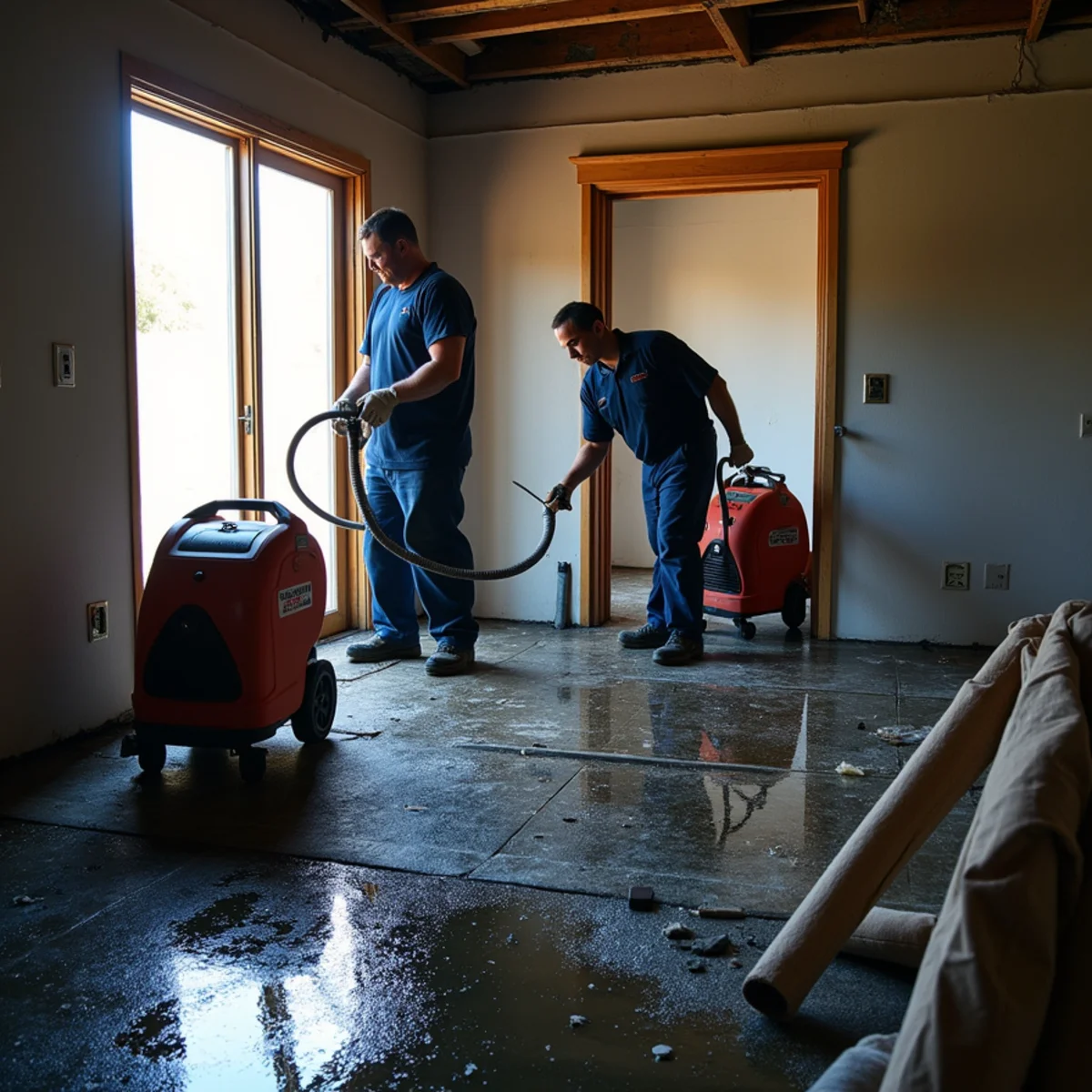
Fire and smoke damage restoration crew cleaning soot in a Fullerton, CA home

Fullerton, CA

Fire Damage in Fullerton, CA

Almost every fire loss is also a water loss. The fire service puts out the fire with a great deal of water, and that water is in your floors, your walls and the storey below before anyone has finished counting the fire damage.

  • On-site in 60–90 minutes
  • IICRC-aligned · licensed & insured
  • Staged on 1500 S Raymond Ave

Treating those as two separate jobs is how fire restorations go wrong. Soot cleanup proceeds while the structure is still saturated, mold establishes behind the walls, and six weeks later the house smells and nobody can work out why.

We handle both together — because we are already a drying company, the water side is not subcontracted or deferred. Board-up first, then simultaneous structural drying and soot remediation, then odour, then rebuild.

Crews dispatched within 60 minutes — on-site in 60–90 minutes

+1 (201) 277-9344

What A Fire Loss Actually Involves

Even a contained kitchen fire produces four distinct types of damage:

  • Flame damage — charred framing, burned finishes, and structural members that may need engineering review
  • Smoke and soot — travels far beyond the burn area through the HVAC system and every wall cavity
  • Water and suppression damage — hose water and sprinkler discharge saturating floors, walls and the level below
  • Corrosion — soot is acidic and etches metal, appliances, electronics and fixtures within days if not treated
  • Odour — bonded into porous materials and, untreated, it returns with every warm humid spell
  • An open building envelope after fire service ventilation — roof and windows opened for good reason, now letting weather in
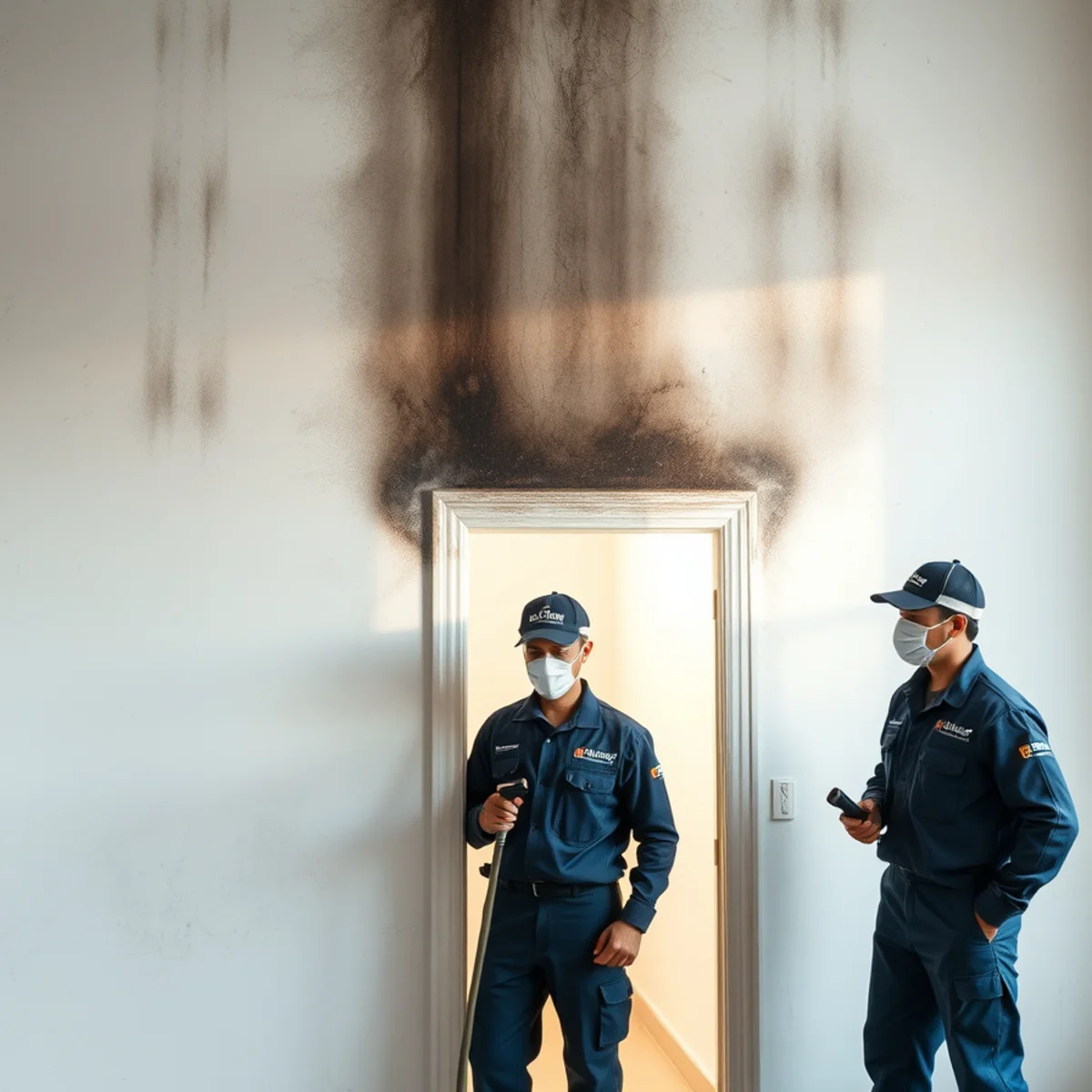
Soot staining and ghosting on walls after a fire in a Fullerton home

What Fire and Smoke Restoration Includes

Both the fire damage and the water the fire service left behind, run in parallel rather than in sequence:

Board-up and tarping
Openings from the fire and from ventilation secured against weather and theft — both covered mitigation.
Suppression water extraction and drying
Treated as a full water loss from hour one, because deferring it is what turns a fire job into a mold job six weeks later.
Contents evaluation and inventory
Salvageable separated from non-salvageable with photographs and values, and cleanable items removed off-site early before soot sets.
Soot and residue removal
Dry methods first, then wet cleaning matched to the residue type — protein, synthetic and natural material residues each behave differently.
Odour treatment at source
Unsalvageable porous material removed, then hydroxyl or thermal fogging and sealing where residue cannot be fully cleaned.
HVAC decontamination
The duct system distributed smoke through the whole house and will redistribute it every time the system runs until it is cleaned.
Reconstruction
Framing repairs, drywall, finishes, flooring, cabinetry and paint on the same file.

The First 48 Hours

Fire restoration has a genuine urgency that is not about the fire, it is about chemistry.

Soot is acidic. Left on surfaces it etches chrome, aluminium, marble and glass, corrodes electronics and appliance contacts, and permanently stains porous finishes. What is cleanable on day one may be a replacement on day five.

At the same time the suppression water is doing what suppression water does — soaking into subfloors and wall cavities and starting the 24 to 48 hour mold clock.

So the first two days run in parallel: secure the building, extract and start drying, and begin surface stabilisation on the most vulnerable materials. Waiting for the insurance adjuster before starting emergency mitigation is a mistake, and no policy requires it.

  1. Board-up and tarping

    Openings from the fire and from fire service ventilation get secured. This protects against weather and against theft, and both are covered mitigation.

  2. Water extraction and structural drying

    Suppression water out immediately, drying equipment in, daily readings — exactly as we would on any water loss.

  3. Contents evaluation

    Sorting salvageable from non-salvageable, with photographs and an inventory. Anything that can be cleaned off-site goes out early, before soot sets.

  4. Soot and residue removal

    Dry cleaning methods first — sponges and HEPA vacuuming — then wet cleaning matched to the residue type. Protein residue from a kitchen fire, synthetic soot from burning plastics and natural material ash all behave differently and need different chemistry.

  5. Odour treatment at the source

    Removal of unsalvageable porous material, thermal fogging or hydroxyl treatment, and sealing where residue cannot be fully removed. Air fresheners are not a step.

  6. HVAC decontamination

    The duct system distributed smoke through the whole house and will re-distribute it every time the system runs until it is cleaned.

  7. Reconstruction

    Framing repairs, drywall, finishes, flooring, cabinetry and paint.

Smoke Goes Where The Fire Did Not

The single most underestimated part of a fire loss is how far the smoke travelled.

Smoke follows air movement, and it moves toward cooler surfaces and lower pressure. It goes into wall cavities through outlet and switch penetrations, up into the attic, through the return air side of the HVAC system, and into every closet in the house. Rooms with no visible damage will hold odour in the carpet, the drapes and the clothing.

There are recognisable patterns. Dark staining above doorways and on upper walls where hot smoke pooled. Ghosting — clean lines on walls where framing was cooler and soot did not deposit. Yellowish film on windows and in bathrooms from protein residue after a cooking fire.

This is why fire cleaning scope routinely extends well past the burn room, and why a company that only cleans where you can see the damage leaves you with a house that smells for years.

Wildfire And Carbon Canyon Exposure

Fullerton itself is not a wildland-urban interface city, but the eastern edge of our service area is.

Carbon Canyon in Brea sits in the 2008 Freeway Complex Fire burn area, and the canyon corridor, the Coyote Hills open space and the Anaheim Hills foothills all carry real seasonal risk during Santa Ana events.

Wildfire smoke damage behaves differently from structure fire damage. Homes kilometres from a fire take in fine ash and smoke through vents, weep holes, attic openings and window gaps without any flame ever reaching the property. The residue is finer, gets everywhere, and settles in HVAC systems and insulation.

That work is real restoration, not cleaning: HEPA filtration, attic and insulation assessment, duct decontamination, and contents cleaning. Insurers cover smoke damage from a wildfire under standard policies, and documenting it properly matters because the damage is diffuse rather than dramatic.

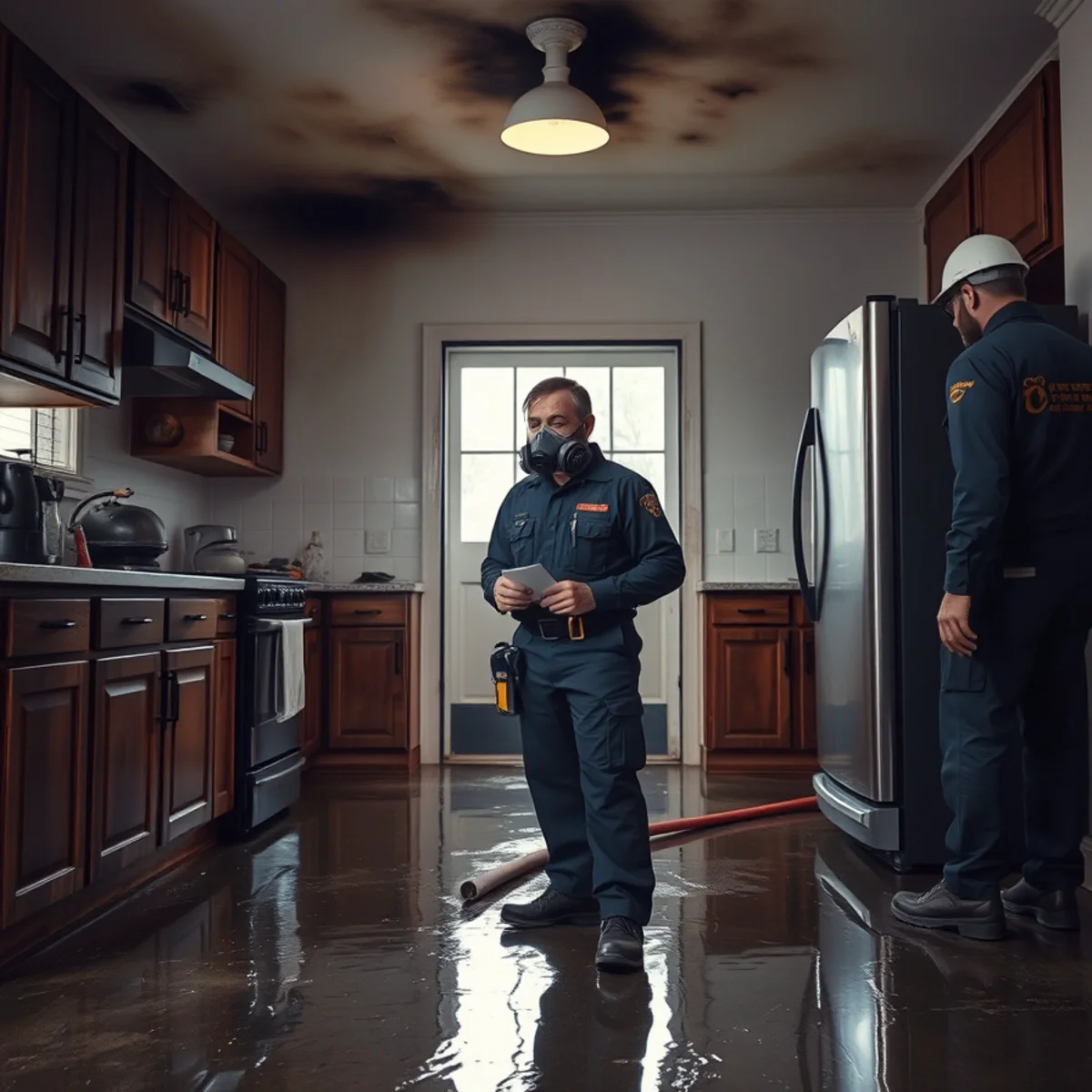
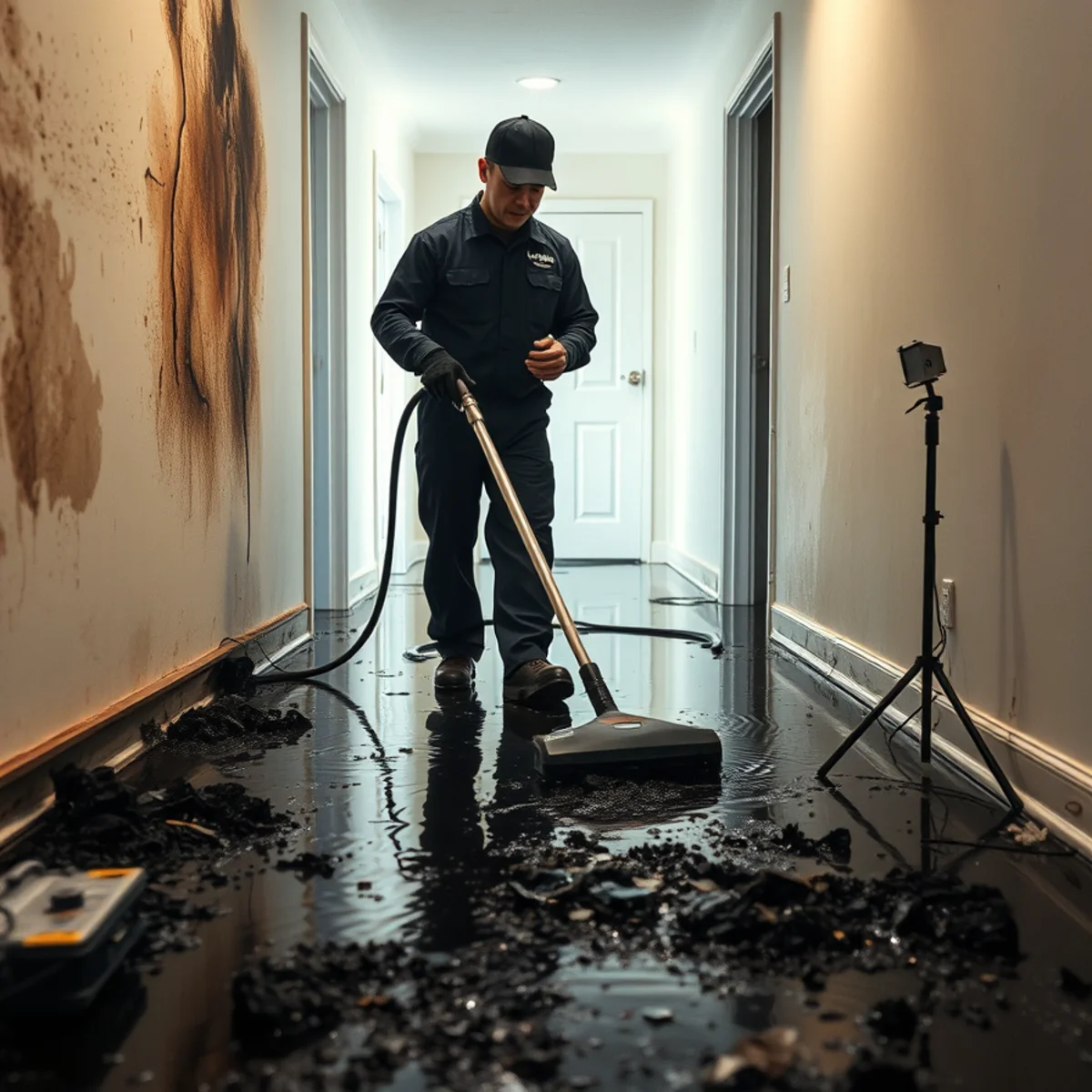
  • Extracting fire suppression water from a Fullerton property

    Extracting fire suppression water from a Fullerton property

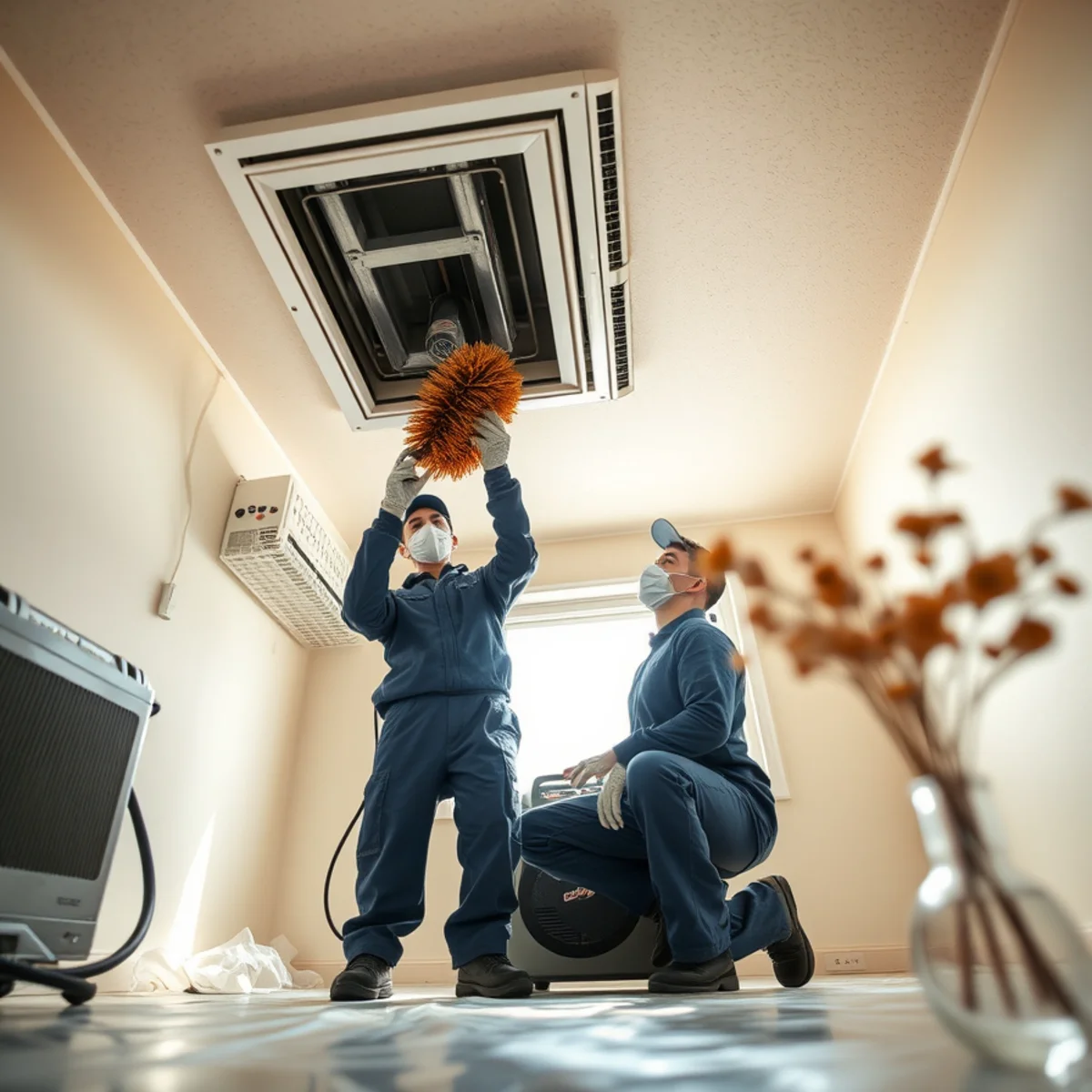
  • Decontaminating HVAC ducting after smoke damage in a Fullerton home

    Decontaminating HVAC ducting after smoke damage in a Fullerton home

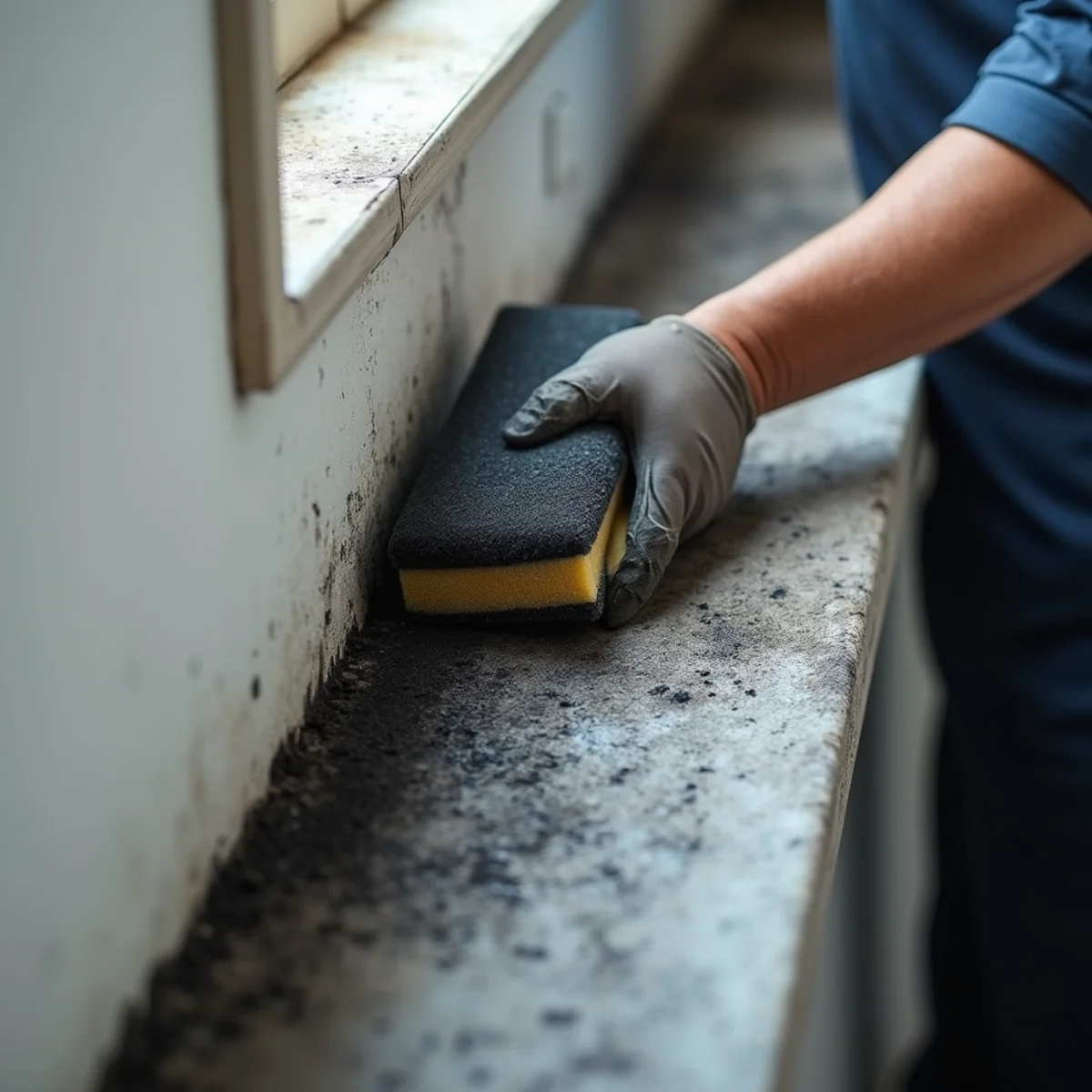
  • Chemical sponge test wipe revealing soot residue

    Chemical sponge test wipe revealing soot residue

  • Water damage left behind by firefighting inside a fire loss

    Water damage left behind by firefighting inside a fire loss

Why the Water Half Matters as Much as the Fire

Almost every fire loss is also a water loss, and treating them as two separate jobs is how fire restorations go wrong:

  • We are already a drying company

    The suppression water is not subcontracted or deferred. Extraction and structural drying run alongside soot remediation from the first day.

  • Soot chemistry is time-sensitive

    Soot is acidic and etches chrome, aluminium, marble and electronics within days. What is cleanable on day one can be a replacement by day five.

  • We scope past the burn room

    Smoke travels into wall cavities, the attic and the HVAC return. A company that cleans only where you can see damage leaves you with a house that smells for years.

  • Wildfire smoke handled as restoration

    Homes kilometres from a Carbon Canyon or foothill fire take in fine ash through vents and attics. That needs HEPA work and duct decontamination, not cleaning.

What Drives Fire Damage Restoration Cost

Fire losses have the widest range of any job we do. The main variables:

Fire size and structural involvement
Charred framing, roof structure and anything requiring engineering review.
Smoke spread beyond the burn area
Usually the largest share of the scope, and the most commonly underestimated.
Residue type
Protein, synthetic and natural material residues need different methods and different labour hours.
Water and suppression damage
Full drying scope on top of the fire scope.
Contents volume
Cleaning, off-site restoration, storage and documented disposal.
HVAC decontamination
Duct cleaning and, where residue is heavy, replacement of flexible duct.
Reconstruction scope
From refinishing a single room to rebuilding a section of the house.

Fire & Smoke Damage in Fullerton — Common Questions

Not until the fire department releases it and the structure has been assessed. Beyond the structural question there are real hazards: soot is acidic and irritating, burned synthetics leave toxic residues, and the electrical system may be compromised. When you do go in for essentials, wear a mask and gloves and touch as little as possible — handling soot spreads it deeper into porous materials.

Where we provide fire & smoke damage

Crews dispatch within 60 minutes across Fullerton and north Orange County.

Fullerton neighbourhoods

Nearby cities

All 60 service areas

Further Reading

Guides on this topic

Written for Fullerton property owners, with the local risk factors that actually apply here.

Need fire & smoke damage in Fullerton right now?

Crews dispatched within 60 minutes — on-site in 60–90 minutes. We extract, dry to a documented standard, and hand your adjuster a file they cannot argue with.

  • 60-minute dispatch, anywhere in Fullerton
  • IICRC-aligned · licensed & insured
  • Direct insurance documentation
Call 24/7Free Estimate