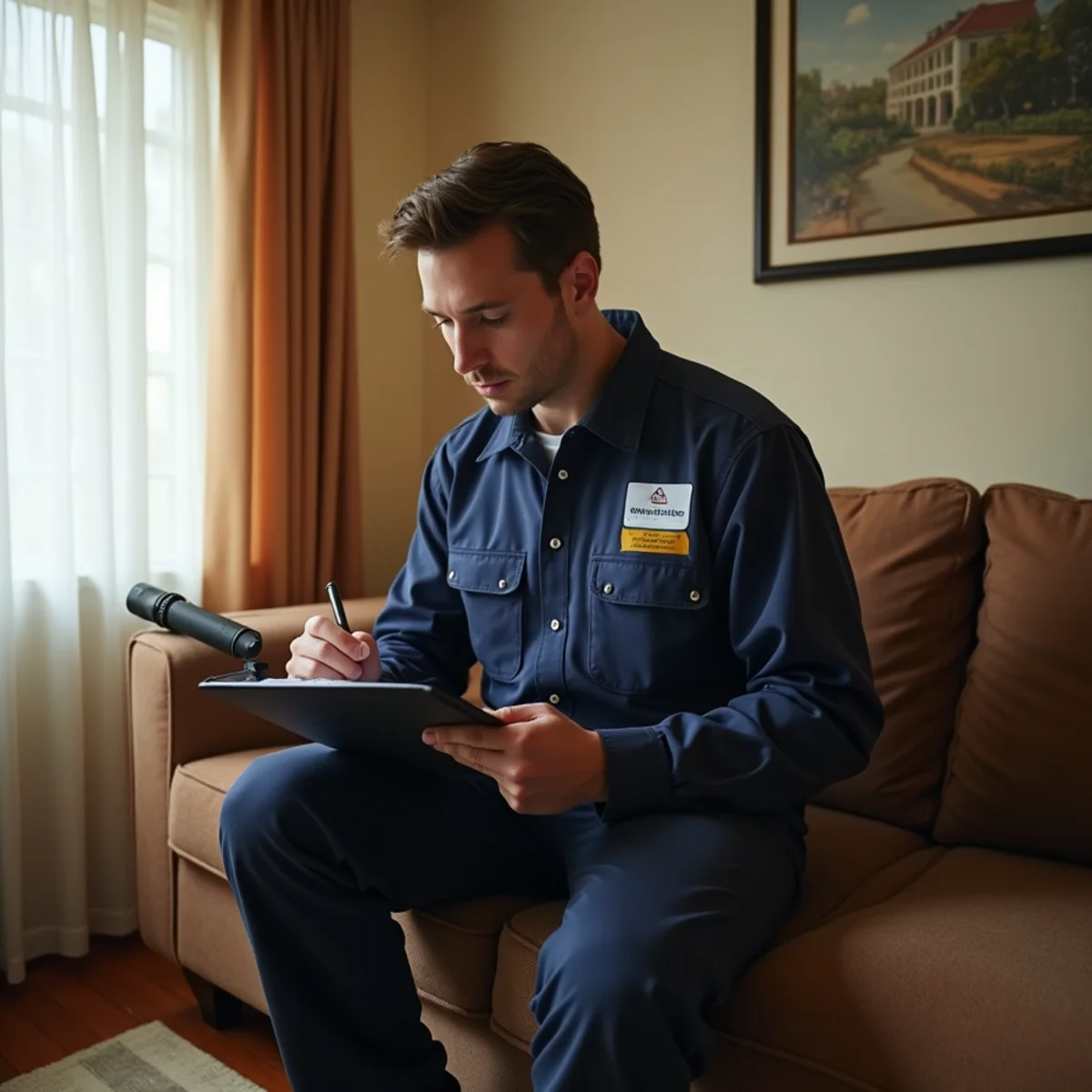
The residential streets carry the standard central-Fullerton profile: slab-on-grade construction from the 1950s and 1960s, original copper now well into pitting age from decades of hard water, expansive clay moving the slab through every wet and dry cycle, and garages with water heaters at or past replacement age.
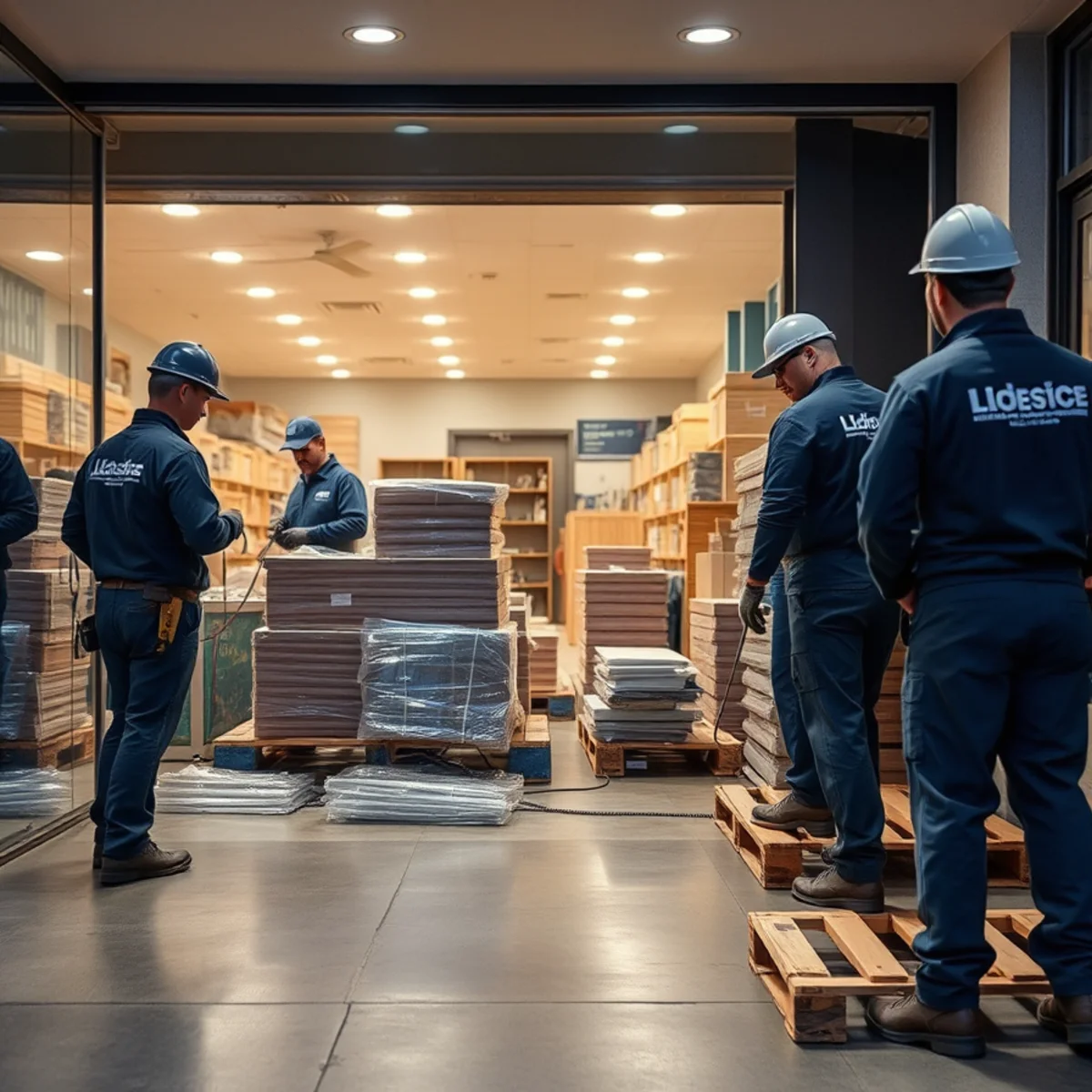
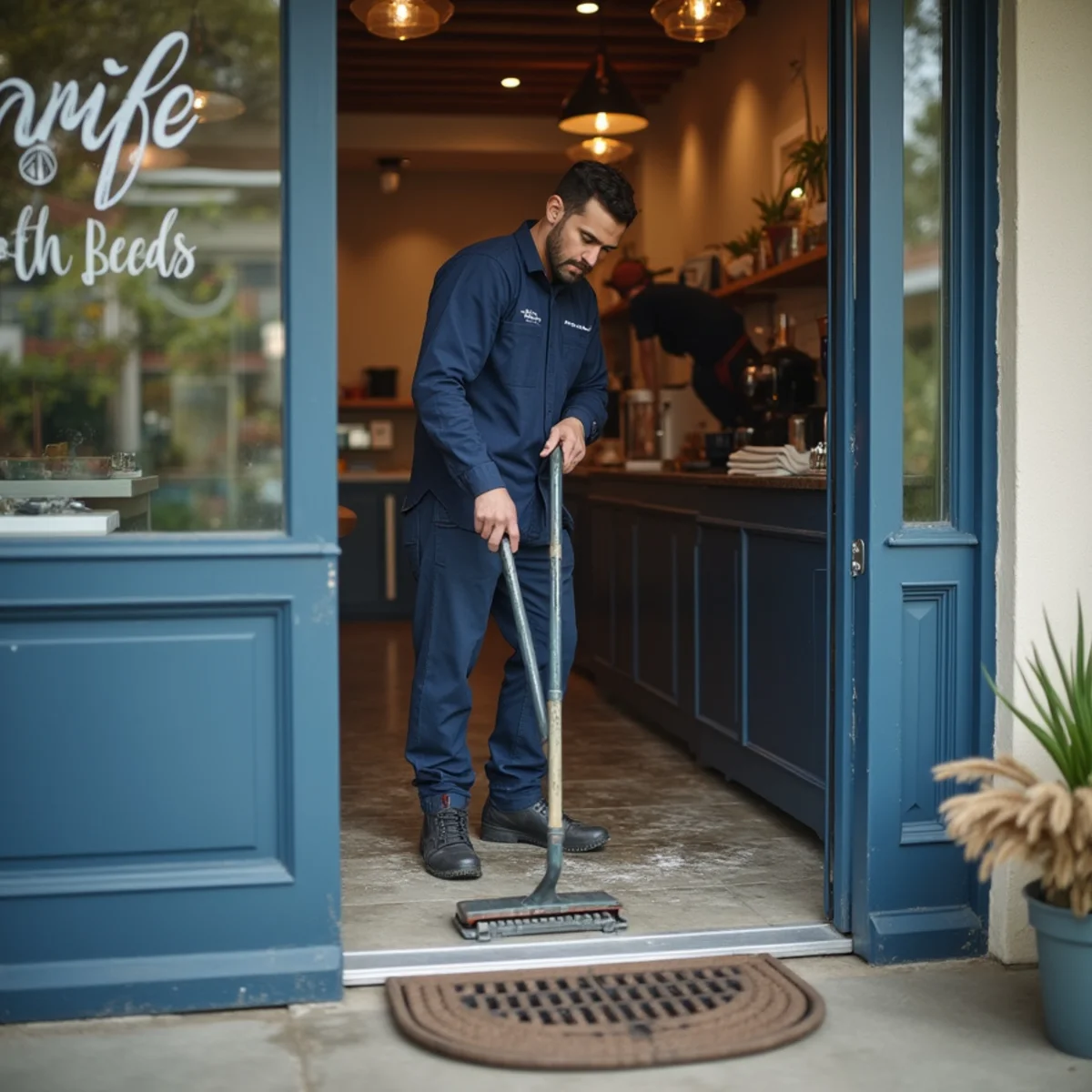
The commercial strip is a different set of problems. Small retail and service tenancies in older buildings frequently have shared party walls, so a loss in one unit is very often already in the neighbouring unit's wall assembly by the time anyone calls. Older commercial buildings also have flat or low-slope roofs where a blocked drain ponds water until it finds a seam.
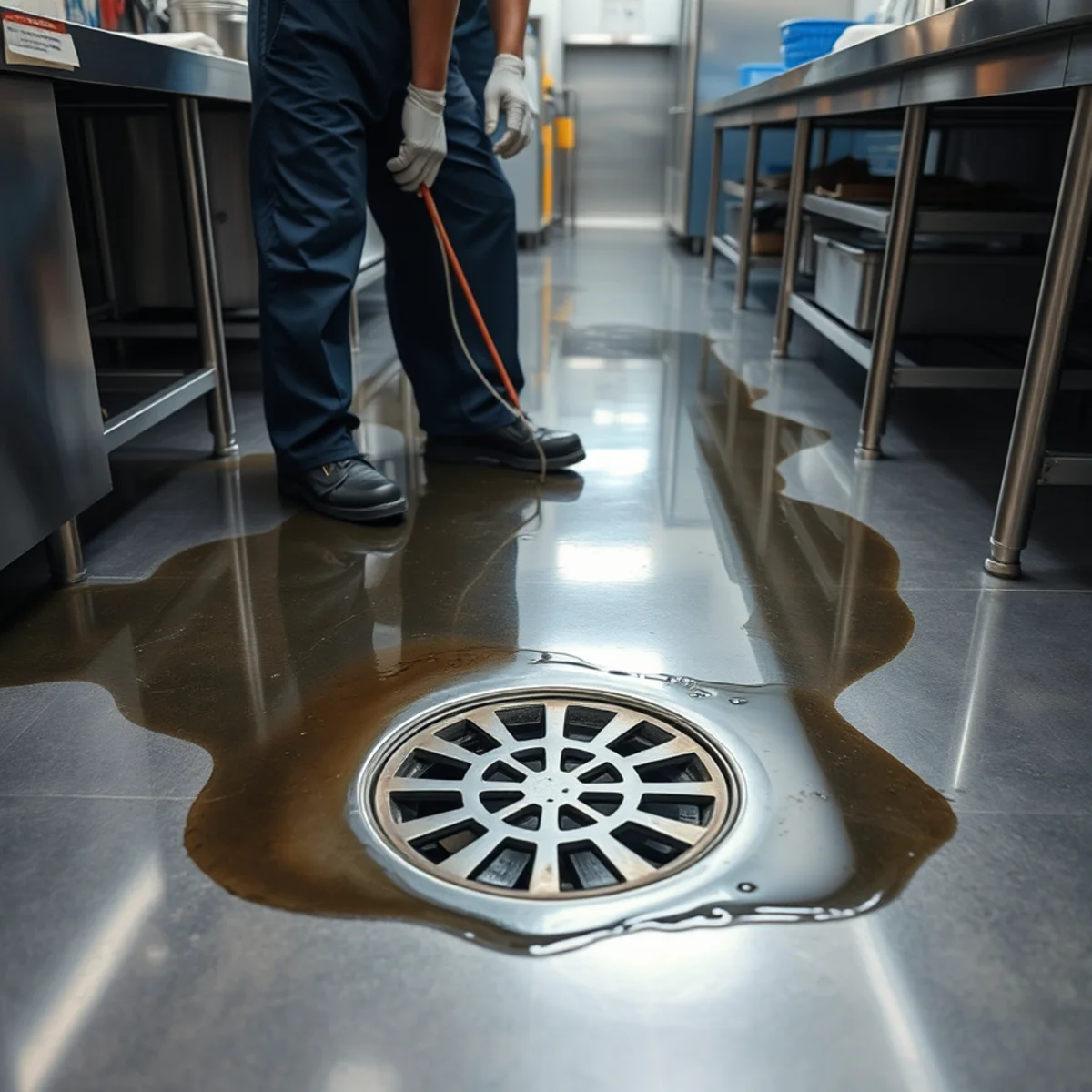
Food service adds Category 3 potential — grease lines, floor drains and older waste plumbing back up in ways that are contaminated from the moment they surface, and health department requirements govern how the cleanup has to be done.
Small commercial tenants are also the most exposed to downtime of any customer we have. A single-location business that closes for a week may not recover, and that shapes how we scope the work.